

Industrial insulation plays a critical role in construction, manufacturing, HVAC systems, shipbuilding, and energy facilities. Proper insulation improves energy efficiency, maintains temperature control, reduces noise, and enhances safety in industrial environments. However, insulation materials such as fiberglass, foam board, mineral wool, and rubber require precise cutting to meet production standards and installation requirements. This is where specialized cutting equipment becomes essential for efficiency and consistency.
Manufacturers rely on advanced machinery to achieve accurate shapes, smooth edges, and minimal material waste during production. A modern insulation cutting machine is designed to handle different insulation materials with speed and precision, making it a key component of automated production lines. These machines not only improve productivity but also reduce manual labor and ensure uniform results across large-scale industrial operations.
CNC Insulation Cutting Machines
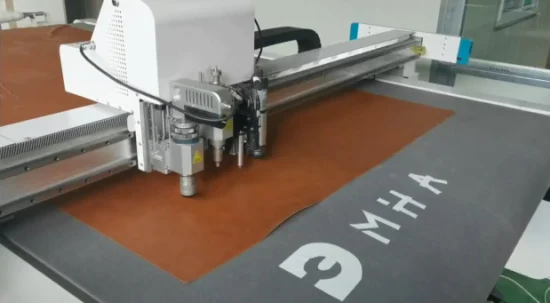
CNC insulation cutting machines are among the most widely used systems in industrial manufacturing. These machines operate through computer-controlled programming that guides cutting tools with high precision. CNC machines are particularly effective when working with rigid foam insulation, polyurethane boards, and polystyrene panels.
One major advantage of CNC cutting machines is repeatability. Once a design is programmed, the machine can produce identical pieces continuously without variation. This is especially useful for industries that require custom insulation shapes for ducts, pipelines, or equipment housing. CNC machines also reduce material waste by optimizing cutting paths.
Another benefit is automation. Many CNC insulation cutters integrate with CAD software, allowing engineers to convert digital designs directly into finished insulation components. This improves workflow efficiency and reduces production errors.
Hot Wire Insulation Cutting Machines
Hot wire cutting machines are commonly used for foam-based insulation materials such as EPS (expanded polystyrene) and XPS (extruded polystyrene). These machines use a heated wire to melt through insulation boards, producing smooth and precise cuts without generating dust or debris.
The hot wire method is ideal for creating curved shapes, angles, and custom designs. Because the material melts rather than fractures, the edges remain clean and structurally intact. This makes hot wire machines suitable for architectural insulation components and prefabricated building panels.
In industrial environments where lightweight foam insulation is frequently used, hot wire cutting machines offer a cost-effective and reliable solution. They are also relatively simple to maintain compared to mechanical cutting systems.
Rotary Blade Cutting Machines
Rotary blade insulation cutting machines are designed for soft and flexible insulation materials such as mineral wool, fiberglass blankets, and rubber insulation sheets. These machines use circular blades that rotate at high speeds to slice through materials cleanly.
Rotary blade machines are often used in continuous production lines where insulation rolls or sheets must be cut into uniform sizes. Their speed and durability make them suitable for high-volume manufacturing facilities.
Safety features are an important part of rotary blade systems. Modern machines include protective guards, automatic feeding systems, and emergency stop controls to ensure safe operation. These features allow manufacturers to maintain productivity while minimizing workplace risks.
Waterjet Insulation Cutting Machines
Waterjet cutting technology is another advanced solution used in insulation processing. These machines use high-pressure water streams, sometimes combined with abrasive materials, to cut dense insulation products with extreme precision.
Waterjet machines are ideal for thick insulation boards, composite materials, and specialty industrial insulation products. Since waterjet cutting does not produce heat, it prevents material deformation and preserves structural integrity.
Although waterjet systems require a higher initial investment, they provide exceptional accuracy and versatility. Industries that manufacture complex insulation components often rely on this technology for detailed cutting applications.
Laser Insulation Cutting Machines
Laser cutting machines are increasingly being used for thin insulation materials and specialized applications. These machines use focused laser beams to cut materials with high precision and minimal physical contact.
Laser cutting is particularly useful for producing intricate patterns, small components, and custom insulation parts. The technology allows manufacturers to achieve clean edges and consistent results, especially in automated production environments.
However, laser cutting is typically limited to specific insulation materials that respond well to heat-based cutting methods. Proper ventilation and safety systems are necessary when operating laser equipment in industrial settings.
Choosing the Right Insulation Cutting Machine
Selecting the right insulation cutting machine depends on several factors, including material type, production volume, required precision, and budget. For example, foam insulation manufacturers often prefer hot wire or CNC machines, while fiberglass processors may choose rotary blade systems.
Automation requirements also influence machine selection. Facilities aiming to increase production efficiency may invest in CNC or waterjet systems that integrate with digital manufacturing workflows. On the other hand, smaller operations may prioritize simpler and more affordable cutting equipment.
Maintenance, operator training, and safety standards should also be considered when choosing insulation cutting machinery. Reliable equipment ensures long-term productivity and consistent product quality.
Conclusion
Insulation cutting machines are essential tools in modern industrial manufacturing. From CNC systems and hot wire cutters to rotary blade, waterjet, and laser machines, each type serves a specific purpose depending on the insulation material and production requirements. By selecting the appropriate cutting technology, manufacturers can improve efficiency, reduce waste, and maintain high-quality standards in insulation production.
As industrial processes continue to evolve, insulation cutting technology will remain a vital component in achieving precision, scalability, and cost-effective manufacturing solutions.