
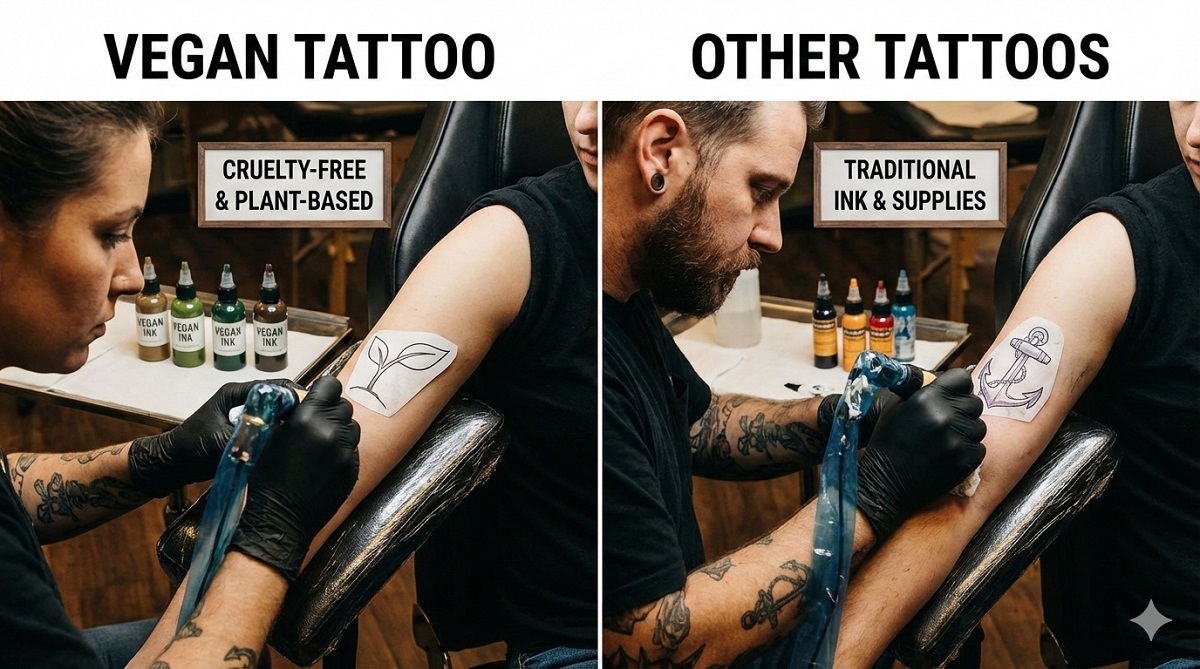

The tattoos are a deep symbol of identity and principles to a lot of people. It is but natural that this personal philosophy is now transferring onto the ingredients that are cut into the skin. Introduce the Vegan Ink Movement- a movement of increased adoption of body art that is in line with the cruelty-free and conscious lifestyle.
This is not merely a trend but a thorough analysis of the contents of the bottle and the jar, with every aspect of the process being an expression of ethical decision-making.
In its essence, vegan tattooing guarantees that whatever is used does not have any animal-derived components or is not tested on animals. This cuts across two key categories, which are the ink and the aftercare products. Always rely on experienced tattoo artists for fine line tattoo in Uluwatu.
Progression of Tattoo Ink Over the Years
The historical background of the traditional tattoo inks is incredibly animal-based. The shift to redefine these is also an important aspect of the vegan shift.
a. Things We Must Learn About Vegan Formulations
Current vegan ink is reputable and usually utilizes alternative sources. Black is normally produced using logwood or magnetite crystals. The colours are of plant or mineral synthetic origin. The carrier solution (suspending the pigment) is made with vegetable glycerin, witch hazel, or ethanol.
b. Importance of Safety and Performance
Vegan inks enjoy equal high standards of sterility, vividness, and durability. The transformation is more of a substitution of a source, rather than a quality compromise. According to many artists, such inks can be less harsh on the skin and are much purer.
We Must Focus on Aftercare Products as Well
The moral obligation is not terminated by the end of the needle. Animal products may be a covert source of conventional aftercare products.
1. Some Common Non-Vegan Traps
Lanolin or beeswax (both of sheep) is present in many mainstream healing ointments.
2. What are the Available Alternatives?
A strong marketplace currently exists for plant-based aftercare. Find candelilla or soy wax healing balms, coconut, jojoba, or hemp seed oils.
Practical Tips to Get a Completely Vegan Tattoo
To reach a well-deserved vegan tattoo, one will need to be proactive and do some research. Here is the way that you can make sure that your art is in line with your ethics:
- Vegetarian ink is not a standard occurrence at all studios. Search studios that specifically state themselves as vegan-friendly.
- Do not simply ask them whether they are vegan ink. Ask about the brands that they are using (such as Intenze, Eternal, or Dynamic) and check the ingredients. Most importantly, inquire about their stencil transfer paper and soap- these products tend to have animal products such as gelatine or tallow. Once you have consulted with an expert, it will surely help you find the best tattoo places on the Gold Coast.
- To be on the completely safe side, you should buy your own reliable vegan aftercare balm and a mild soap to carry with you to the appointment.
- Certain brands of ink have official vegan certification marks (such as sunflower of The Vegan Society), which removes the guesswork.
The Vegan Ink Movement gives you the power to make a wise decision regarding an irreversible decision. It demonstrates that there is no need to undergo a trade and sacrifice your values to wear amazing art. The story on your skin can be a story of compassion, with each first sketch and each last bandaged healing.
The Role of Tattoo Studios in Supporting Ethical Ink Practices
Tattoo studios play a pivotal role in the success and credibility of the Vegan Ink Movement. While individual choices matter, systemic change happens when studios actively commit to cruelty-free standards across their entire workflow. This includes supplier selection, staff training, and transparent communication with clients.
Ethical studios often go beyond inks and aftercare. They carefully evaluate disposable gloves, razors, cleaning agents, and even furniture materials to ensure no animal-derived components are involved. Many forward-thinking studios are now publishing full product disclosures on their websites, allowing clients to make informed decisions even before booking a consultation. This transparency builds trust and reinforces the idea that vegan tattooing is not a marketing label but a holistic practice.
Environmental Benefits Beyond Animal Welfare
Although the movement is largely driven by ethical and cruelty-free values, the environmental benefits of vegan tattooing are equally compelling. Animal agriculture is resource-intensive, contributing significantly to carbon emissions, water usage, and deforestation. By eliminating animal-derived ingredients, vegan inks and aftercare products often have a smaller ecological footprint.
Plant-based and synthetic pigments tend to involve cleaner production processes, and many vegan brands emphasize sustainable packaging, recyclable containers, and reduced chemical waste. For environmentally conscious individuals, vegan tattooing becomes a dual statement—protecting both animal lives and the planet.
Addressing Common Myths Around Vegan Tattoo Ink
Despite its growing popularity, vegan tattooing is still surrounded by misconceptions. One of the most common myths is that vegan inks fade faster or lack vibrancy. In reality, advancements in pigment technology have eliminated this gap. Many professional artists report that vegan inks heal more evenly and retain color consistency over time.
Another misconception is cost. While some vegan-certified products may be marginally more expensive due to ethical sourcing and testing standards, the difference is often negligible when compared to the long-term value of skin safety and ethical alignment. As demand increases, prices continue to normalize across the industry.
The Future of the Vegan Ink Movement
The Vegan Ink Movement shows no signs of slowing down. With increased consumer awareness, stricter cosmetic regulations, and a global push toward ethical consumption, vegan tattooing is moving from niche to mainstream. New ink formulations are continuously being developed to improve color range, longevity, and skin compatibility, all while maintaining cruelty-free integrity.
Education will be the driving force behind this evolution. As artists, studios, and clients become more informed, vegan tattooing will likely become a standard offering rather than a special request. Tattoo conventions, certification programs, and artist workshops are already beginning to highlight vegan practices as part of professional excellence.
A Lasting Statement, Inside and Out
Ultimately, a tattoo is more than ink beneath the skin—it is a lifelong declaration. Choosing vegan tattooing allows individuals to align that declaration with compassion, responsibility, and conscious living. Every choice, from pigment to aftercare, becomes part of a larger narrative about respect for life and ethical accountability.
The Vegan Ink Movement proves that self-expression and empathy are not mutually exclusive. With thoughtful preparation and informed decisions, body art can remain bold, beautiful, and meaningful—without compromising the values that define who you are.