
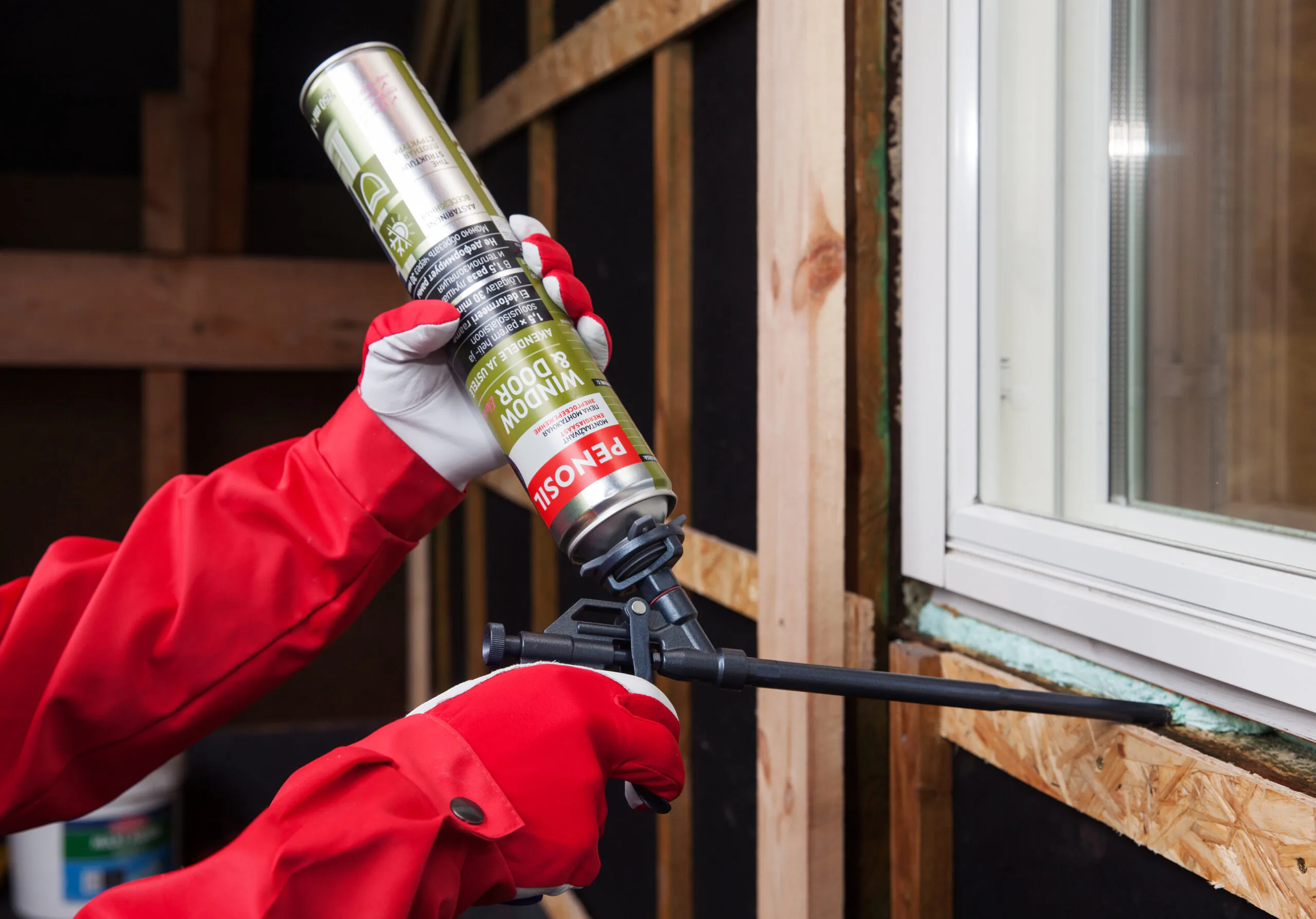

PU foam sealant is a highly effective material for sealing gaps, insulating structures, and enhancing energy efficiency. However, it is also a reactive chemical product that requires careful handling. Understanding and following safety precautions is essential to prevent accidents, health risks, and property damage. This article provides a comprehensive guide to safely using PU foam sealant in various projects.
Understanding the Risks of PU Foam Sealant
PU foam sealant expands and hardens through a chemical reaction that releases gases during curing. These properties make it ideal for filling cavities and insulating structures, but they also present certain risks if not handled properly. For those seeking reliable products, PU foam sealant is available in different formulations, with detailed usage guidelines to ensure safe and effective application. Using high-quality foam and adhering to safety instructions significantly reduces the potential hazards associated with its use.
Personal Protective Equipment (PPE)
1. Wear Gloves
Uncured PU foam is extremely sticky and difficult to remove from skin. Always wear chemical-resistant gloves to prevent direct contact. Nitrile gloves are generally recommended, as they provide protection without compromising dexterity during application.
2. Eye Protection
Foam can expand rapidly and may splatter during application. Protective goggles or safety glasses prevent accidental contact with the eyes, which can cause irritation or injury. Ensure that the eyewear fits properly and offers adequate coverage.
3. Protective Clothing
Wear long sleeves and clothing that covers exposed skin to avoid foam sticking to your body. Protective clothing also reduces the risk of skin irritation caused by contact with uncured foam.
Proper Ventilation
PU foam sealant releases volatile compounds during curing, which can cause respiratory irritation if inhaled in large quantities. Always apply foam in well-ventilated areas, and use fans or open windows to improve air circulation. For enclosed spaces, consider wearing a respirator or mask rated for chemical vapors to minimize exposure.
Safe Application Techniques
1. Surface Preparation
Ensure that surfaces are clean, dry, and free of dust, grease, or loose particles. Proper preparation improves adhesion and reduces the risk of foam detachment, which could lead to additional handling and potential exposure.
2. Controlled Dispensing
Use a foam gun or nozzle for precise application. Avoid overfilling gaps, as excessive foam can expand uncontrollably and cause messes or damage to surrounding surfaces. Controlled application reduces waste and ensures safer handling.
3. Layered Application
For large cavities, apply foam in layers rather than all at once. Allow each layer to partially cure before adding the next. This approach reduces the risk of rapid expansion and provides better control over the foam.
Fire Safety Considerations
Uncured PU foam is flammable and should be kept away from open flames, sparks, and high heat sources. Avoid smoking in the application area, and store foam cans in cool, dry locations. Always read and follow the manufacturer’s fire safety instructions.
Handling Spills and Accidents
If uncured foam comes into contact with skin, remove it immediately using a suitable solvent recommended by the manufacturer. Do not attempt to scrape it off after it has cured, as this can cause skin abrasions. For accidental eye contact, rinse thoroughly with water and seek medical attention if irritation persists. Clean tools and work surfaces promptly to prevent hardened foam from becoming difficult to remove.
Storage and Disposal
Store PU foam sealant in a cool, dry place away from direct sunlight and heat sources. Keep cans upright and tightly closed when not in use. Dispose of empty or partially used cans according to local regulations for chemical products. Proper storage and disposal prevent accidents and environmental contamination.
Conclusion
Working with PU foam sealant can be safe and effective when proper precautions are taken. Using personal protective equipment, ensuring adequate ventilation, applying foam carefully, and following fire safety guidelines are critical for preventing accidents and health risks. Additionally, correct storage, handling, and cleanup practices enhance safety and maintain a professional working environment. By adhering to these safety precautions, homeowners and professionals can enjoy the benefits of PU foam sealant while minimizing potential hazards, ensuring both effective application and long-term protection.