
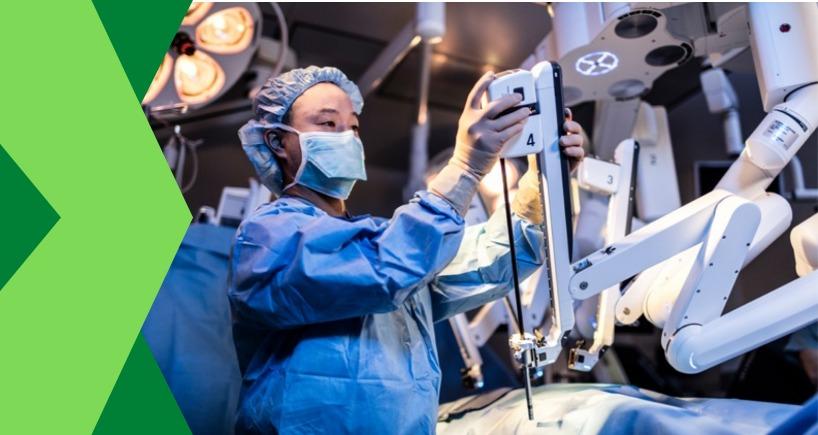

A diagnosis of gynaecological cancer often raises questions about treatment options and recovery. Surgical care plays a key role for many patients. In recent years, robotic surgery for gynae cancers has become an important option for selected cases. This approach supports precise surgical work while limiting disruption to surrounding tissues. Patients often want to know how this surgery works and what changes it brings before and after treatment. Clear information helps patients prepare better and feel more confident about medical decisions. This post explains how robotic surgery is used in gynaecological cancers, what happens before the procedure, and what recovery may involve
Understanding Robotic Surgery For Gynaecological Cancers
Robotic surgery refers to a form of minimally invasive surgery. Surgeons control robotic instruments using a console. Surgeons control robotic instruments from a console, with the system translating hand movements into precise actions within the body. Robotic surgery for gynae cancers may be used for conditions such as cervical, uterine, or ovarian cancer. The approach allows detailed visualisation of the surgical area. Surgeons operate through small incisions rather than large openings. This method does not replace surgical expertise. It supports the surgeon with enhanced precision and stability during complex procedures.
Why Robotic Surgery May Be Recommended?
Doctors consider several factors before recommending robotic surgery. These include cancer stage, tumour location, and overall patient health. Possible reasons include:
- Improved precision during complex procedures
- Smaller incisions compared to open surgery
- Reduced blood loss during surgery
- Better visual access to delicate structures
Robotic surgery for gynaecological cancers may suit patients who need targeted removal of affected tissue while preserving healthy areas. The final decision depends on a detailed clinical assessment.
Preparing For Robotic Surgery
Preparation begins well before the surgery date. The care team reviews medical history and test results. Imaging studies help define the surgical plan. Common preparation steps include:
- Blood tests and imaging scans
- Pre-surgery consultations with the surgical team
- Medication review and instructions
- Guidance on fasting before surgery
Clear instructions help patients approach surgery in a stable physical condition. Patients should discuss concerns openly during this phase.
What Happens During The Procedure?
The surgical team performs the procedure under general anaesthesia. The surgeon makes a few small incisions in the abdomen. Robotic instruments and a high-definition camera pass through these openings. From the console, the surgeon controls each movement in real time. The system provides a magnified view of the surgical area. This detail supports careful dissection and tissue handling. Robotic surgery for gynae cancers aims to remove cancerous tissue with accuracy. The approach helps surgeons work within smaller spaces with steady control.
Immediate Care After Surgery
After surgery, patients are transferred to a monitored recovery unit, where vital signs are closely monitored. Pain is managed early using prescribed medication to maintain comfort and support healing. Patients may experience:
- Mild to moderate discomfort near incision sites
- Temporary fatigue
- Limited movement during the first day
Most patients begin gentle movement soon after surgery. Early activity supports circulation and healing.
Hospital Stay And Early Recovery
Hospital stay is typically 1-3 days, but varies by procedure complexity and patient factors. During this phase, care teams focus on:
- Pain management
- Wound care guidance
- Gradual return to eating and movement
Patients receive instructions for home care before discharge. These instructions support safe recovery outside the hospital.
Recovery At Home And Daily Activities
Recovery continues after discharge. Small incisions usually heal faster than larger surgical wounds. Patients often return to light activities earlier. General recovery guidance includes:
- Avoiding heavy lifting initially
- Maintaining incision cleanliness
- Attending follow-up appointments
Energy levels improve gradually. Most patients resume their daily routines within weeks, per medical advice.
Follow-Up Care And Monitoring
Follow-up visits remain important after surgery. These appointments help doctors assess healing and plan further treatment if required. Follow-up care may involve:
- Physical examinations
- Imaging or laboratory tests
- Discussion of additional therapy needs
Robotic surgery for gynaecological cancers forms one part of a broader treatment plan. Ongoing monitoring supports long-term care goals.
Potential Benefits And Limitations
Robotic surgery offers several benefits, though it may not suit every patient. Potential benefits include:
- Reduced post-operative discomfort
- Smaller scars
- Faster return to routine activities
Some limitations may include availability, suitability by cancer type, and individual health factors. Doctors weigh these aspects before recommending surgery.
These appointments help doctors assess healing and plan further treatment if required. Follow-up care may involve:
- Physical examinations
- Imaging or laboratory tests
- Discussion of additional therapy needs
Robotic surgery for gynaecological cancer.
Conclusion
Robotic surgery is used in selected gynaecological cancers to support precise surgical planning and controlled recovery. Patients who understand each stage often feel better prepared for treatment and aftercare. Preparation, clear communication, and follow-up care remain central to positive outcomes. Patients should discuss all options with their medical team to decide which treatment approach is clinically appropriate for their condition. Informed choices support confidence and clarity during treatment and recovery.