
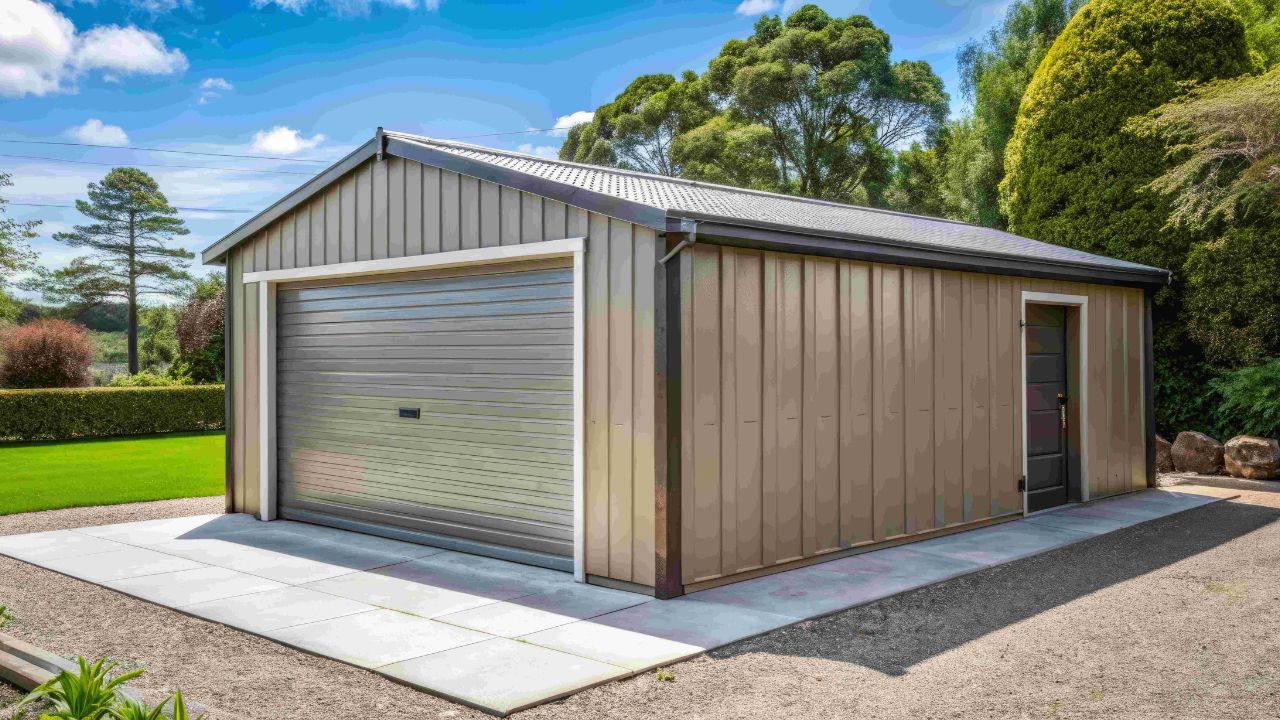

Building a garage is one of the most valuable home improvement projects you can invest in today. Whether you need extra storage, secure parking, or a dedicated workshop, a well-designed garage enhances convenience and increases your property’s resale value. However, with fluctuating material prices and rising labor costs, understanding the real expenses involved is essential before you start planning. This guide breaks down everything you need to know so you can budget wisely and avoid unnecessary surprises.
How Much It Really Costs to Build a Garage Today
Many homeowners begin by asking: “how much does It cost to build a garage today” — and the answer isn’t as simple as quoting a universal number. Costs vary depending on the size, materials, design features, labor rates, and whether the garage is attached or detached.
Today’s construction market is heavily influenced by supply chain conditions and regional price differences. Because of this, it’s helpful to use reliable home improvement sources such as My Next House Project, a homeowner-focused platform offering practical renovation insights without technical complexity.
Main Factors That Influence the Cost of a Garage
Garage Size and Design Layout
The most significant cost factor is size. A basic one-car garage costs far less than a two- or three-car setup, and custom additions can quickly increase your budget.
Typical garage dimensions include:
- Single-car garage: 12×20 ft
- Two-car garage: 20×20 or 24×24 ft
- Three-car garage: 30×20 ft or larger
If you add a storage loft, side door, interior shelves, or extra height for larger vehicles, the cost rises accordingly.
Attached vs. Detached Garage
An attached garage is more economical because it connects to an existing structure, allowing you to share walls, electrical lines, and roofing.
A detached garage offers more design freedom and can be positioned anywhere on your property, but it requires a separate foundation and utilities, leading to higher overall costs.
Material Choices
Your choice of materials has a major impact on cost. Budget-friendly materials reduce upfront expenses, while premium options improve durability and curb appeal.
Common material choices include:
- Siding: vinyl, wood, fiber-cement, stucco
- Roofing: asphalt shingles, metal roofing, clay tiles
- Doors & windows: insulated doors, reinforced frames, energy-efficient windows
Premium materials cost more initially but reduce long-term maintenance.
Labor Rates and Contractor Fees
Labor cost varies by region and job complexity. A custom-built garage requires skilled labor, which increases hourly rates. Always compare multiple contractor quotes and review previous work quality to ensure you’re getting a fair price.
For guidance on choosing contractors or planning home projects, many homeowners rely on expert articles from the My Next House Project platform, which simplifies complex renovation information into easy-to-understand insights.
Utilities: Electrical, Plumbing, and HVAC
If you plan to use your garage as more than just a parking space — for example, as a home gym, hobby room, or workshop — you may need:
- Additional electrical outlets
- LED lighting
- Mini-split HVAC systems
- Water connections
These upgrades significantly improve functionality but add to your total construction cost.
Insulation and Interior Finishing
A finished garage interior makes the space more comfortable and increases its usability. Insulation is essential if you plan to store temperature-sensitive items or convert the garage into a working space.
Interior finishing may include:
- Drywall installation
- Painting
- Ceiling finishing
- Epoxy floor coating
These elements enhance aesthetics and boost property value, though they also add to the final cost.
Garage Doors, Windows & Smart Features
Garage doors range from simple steel doors to insulated smart-operated models. Windows improve natural light and ventilation but also increase material and installation costs. Smart features such as Wi-Fi-enabled openers add convenience but come at a premium price.
Cost Breakdown: What You Can Expect to Pay
Cost of a Single-Car Garage
- Basic Build: $12,000 – $20,000
- Mid-Range Build: $20,000 – $30,000
- Premium Build: $30,000 – $45,000
Cost of a Two-Car Garage
- Basic Build: $20,000 – $35,000
- Mid-Range Build: $35,000 – $55,000
- Premium Build: $55,000 – $80,000+
Additional Cost Considerations
- Concrete slab foundation: $5 – $10 per sq. ft
- Electrical installation: $1,000 – $3,000
- Garage door: $800 – $4,000 depending on type
- Roofing upgrades: $1,200 – $6,000
- Insulation & drywall: $1,500 – $5,000
- Windows: $250 – $800 per window
These numbers will shift depending on your location, contractor pricing, and selected materials.
Smart Ways to Reduce Garage Construction Costs
Choose Standard Sizes
Custom dimensions increase both material and labor costs. Sticking to standard measurements reduces waste and keeps the project economical.
Avoid Unnecessary Design Upgrades
While architectural details look beautiful, they are costly. If you’re budgeting smartly, choose a clean, simple layout that still delivers functionality.
Compare Multiple Quotes
Don’t settle for the first contractor you contact. Collect at least three quotes and examine differences carefully.
Buy Materials Strategically
Sometimes purchasing certain materials yourself — during off-season discounts or bulk sales — can lower your overall cost. Just ensure compatibility with local building codes.
Final Thoughts
Building a garage today is a practical long-term investment that adds value, enhances security, and increases property usability. Costs depend on design choices, materials, and labor, but with smart planning, you can create a durable garage that suits your needs without overspending.
For more renovation ideas, cost guides, and home improvement resources, you can explore helpful homeowner-focused insights available through trusted platforms dedicated to simplifying construction planning, such as My Next House Project.