
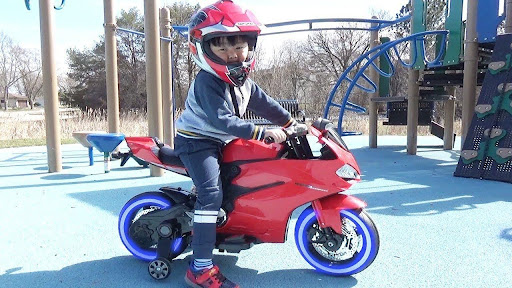

Play is a child’s first classroom, and toys that stimulate both physical activity and learning have a profound impact on development. A motorbike ride on toy is an excellent example, combining excitement with practical skill-building. Beyond offering fun, these ride-on vehicles encourage balance, coordination, spatial awareness, and decision-making. They promote outdoor activity, reduce screen time, and foster confidence in young riders. By selecting a motorbike appropriate to a child’s age and size, parents can provide a safe and engaging environment where children simultaneously develop essential motor skills and enjoy imaginative, adventurous play.
Enhancing Physical Coordination and Balance
- Balance and Stability – Riding a motorbike requires children to constantly adjust their posture and weight, which strengthens their core muscles. This practice enhances overall body stability and helps maintain proper alignment while moving. Developing balance through play also builds confidence in everyday physical activities.
- Muscle Development – Pedaling, steering, or managing a motorized ride-on engages multiple muscle groups, including the legs, arms, and core. This strengthens their muscles progressively while supporting natural growth. Regular activity on the motorbike encourages healthy physical development and overall fitness.
- Hand-Eye Coordination – Navigating turns, curves, and small obstacles requires precise timing and visual awareness. This improves reflexes and fine motor control, which are essential for daily tasks and sports activities. Practicing these skills in a playful environment makes learning enjoyable and effective.
- Spatial Awareness – Riding helps children understand their position in space relative to objects around them. They learn to judge distances, anticipate movements, and maneuver safely. This develops both motor planning and situational awareness, critical for physical confidence and safety.
- Stamina and Endurance – Frequent riding promotes sustained physical activity, gradually building energy levels and endurance. Children develop the ability to engage in longer periods of movement without fatigue. Regular outdoor play on a motorbike supports cardiovascular health, agility, and overall coordination.
Cognitive Growth Through Interactive Play
- Cause-and-Effect Understanding – Children quickly grasp how actions like acceleration, braking, and steering directly affect the motorbike’s movement. This builds foundational reasoning skills as they experiment and observe outcomes. Learning these cause-and-effect relationships enhances cognitive processing in a practical, hands-on way.
- Decision-Making Skills – Choosing routes, avoiding obstacles, and adjusting speed require quick thinking and judgment. This helps children analyze situations and make informed decisions in real time. Practicing these skills during play develops both confidence and critical thinking abilities.
- Problem-Solving Abilities – Navigating curves, ramps, or uneven surfaces challenges children to plan and adapt their movements. They learn to anticipate potential issues and develop solutions on the go. Such experiences strengthen reasoning, flexibility, and practical problem-solving skills.
- Focus and Concentration – Managing steering, speed, and balance simultaneously enhances attention and mental control. Children learn to concentrate on multiple tasks while remaining aware of their environment. This improved focus benefits both playtime and structured learning activities.
- Memory Reinforcement – Repeating rides, familiar routes, or obstacle courses helps children memorize sequences and recognize patterns. These exercises strengthen spatial memory and cognitive sequencing. Over time, children develop better recall and planning abilities through engaging, interactive play.
Encouraging Imagination and Social Development
- Creative Role-Play – Engaging in racing, delivery missions, or adventure scenarios encourages children to use their imagination freely. These activities foster creativity while making play exciting and purposeful. Role-playing also allows kids to explore new ideas, characters, and problem-solving strategies in a fun environment.
- Peer Interaction – Riding alongside friends or siblings teaches children essential social skills such as collaboration, communication, and sharing. Turn-taking and cooperative play strengthen empathy and interpersonal understanding. Interacting during ride-on activities builds meaningful relationships while keeping play engaging.
- Confidence Building – Successfully controlling and maneuvering a motorbike instills a sense of accomplishment and independence. Children develop self-assurance as they master new skills and overcome challenges. Confidence gained through play translates into better risk-taking and resilience in other aspects of life.
- Emotional Regulation – Experiencing excitement, minor obstacles, or setbacks while riding helps children manage emotions constructively. They learn to remain calm, patient, and focused in dynamic situations. This emotional practice supports self-control, coping strategies, and positive behavioral development.
- Storytelling Skills – Imagining adventures while riding encourages children to create narratives and elaborate on scenarios. This enhances verbal expression, cognitive thinking, and creative storytelling abilities. Integrating imagination into play helps develop language skills and mental organization simultaneously.
Maximizing Fun While Developing Motor Skills
- Interactive Components – Lights, sounds, and dashboard features on a childs ride on motorbike captivate their attention and make the experience more engaging. These elements provide sensory stimulation, helping kids develop hand-eye coordination and timing. Additionally, interactive feedback encourages repeated practice, reinforcing motor skills in a fun and dynamic way.
- Adaptable Design – Adjustable seats and controls ensure that the motorbike grows with the child, offering long-term usability. Customizable settings help children maintain proper posture and develop balance as they ride. This adaptability supports gradual learning, making skill-building consistent and enjoyable over time.
- Game-Based Learning – Incorporating races, obstacle courses, or timed challenges transforms play into structured learning opportunities. These games teach children strategy, problem-solving, and quick decision-making while keeping the activity exciting. Engaging in playful competition also motivates repeated practice, which enhances motor skills and focus.
- Exploring Outdoors – Riding on various surfaces, such as grass, pavement, or playground terrain, helps children adapt to different conditions and strengthens their balance. Outdoor exploration encourages spatial awareness, as kids learn to judge distances and navigate obstacles safely. This diverse experience develops physical agility and confidence while making play more adventurous and stimulating.
- Routine Practice – Consistent use of the motorbike allows children to refine reflexes and develop precision in steering, braking, and acceleration. Regular practice builds stamina and endurance while reinforcing coordination and control. By turning repeated rides into a fun routine, children enjoy active learning without it feeling like a chore.
Conclusion
A motorbike ride-on toy provides a unique combination of fun and skill development. It enhances motor coordination, balance, and cognitive abilities while offering an enjoyable, imaginative play experience. With thoughtful design, safety features, and interactive elements, children gain confidence and independence in a controlled, stimulating environment.
Parents looking to foster both physical and mental growth in their children can explore high-quality options, including a remote ride on car from ISAKAA, delivering enriching, safe, and engaging outdoor play experiences that transform every ride into an opportunity for learning and fun.