
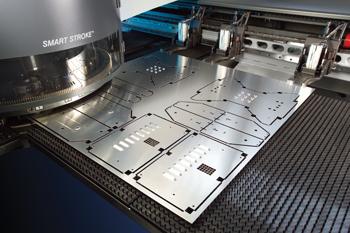

Press punch machines are critical assets in metal fabrication and industrial manufacturing. Their ability to efficiently cut, shape, and form metal sheets makes them indispensable across industries such as automotive, aerospace, electronics, and construction. To ensure consistent performance, maintain safety standards, and extend the lifespan of these machines, regular and systematic maintenance practices are essential. Proper maintenance minimizes downtime, reduces repair costs, and maximizes productivity in the workshop.
Understanding the Importance of Maintenance
A press punch machine is a complex system with mechanical, hydraulic, and electrical components working together to deliver precise results. Without proper maintenance, wear and tear on these components can lead to misalignments, decreased efficiency, and even catastrophic failures. Routine maintenance practices not only keep the machine operational but also ensure that production quality remains consistent. Leading Press Punch Machine manufacturers emphasize maintenance schedules and provide detailed manuals and guidance to help operators and technicians maintain optimal performance.
Daily Maintenance Practices
Daily maintenance ensures that the machine operates smoothly throughout production cycles. Operators should begin each shift with basic checks, including:
- Visual Inspection: Examine the machine for any signs of wear, damage, or loose components. Check punch and die alignment to ensure accurate operation.
- Lubrication: Proper lubrication of moving parts reduces friction and wear. Apply lubricants to guide rails, bearings, and other critical components as specified in the machine manual.
- Cleaning: Remove metal shavings, dust, and debris from the machine surface and workspace. Accumulated debris can interfere with punching accuracy and may damage mechanical parts.
- Operational Check: Run the machine through a test cycle to confirm smooth operation, proper stroke, and consistent punching force.
These simple daily routines help prevent minor issues from escalating into major problems, ensuring uninterrupted workflow.
Weekly and Monthly Maintenance
Beyond daily checks, weekly and monthly maintenance tasks address components that require closer attention. These practices include:
- Inspecting Hydraulic Systems: For hydraulic press punch machines, check fluid levels, hoses, and connections. Ensure there are no leaks, and replace worn seals promptly. Regularly changing hydraulic fluid maintains system efficiency and prevents contamination-related damage.
- Checking Electrical Components: Inspect wiring, switches, and control panels for signs of wear, overheating, or damage. Ensure all safety interlocks and emergency stop functions are operational.
- Tightening Fasteners: Over time, vibrations can loosen bolts, screws, and mounting hardware. Regularly check and tighten all fasteners to maintain machine stability.
- Alignment Checks: Verify the alignment of punches, dies, and the ram. Misalignment can reduce accuracy, increase wear, and potentially damage the machine.
Performing these checks systematically ensures that the machine continues to operate at peak efficiency while reducing the likelihood of costly breakdowns.
Preventive Maintenance Programs
Implementing a preventive maintenance program is one of the most effective strategies for keeping press punch machines operational. This approach involves scheduling maintenance tasks based on usage, machine hours, and manufacturer recommendations. Preventive maintenance may include:
- Replacing worn punches and dies before they fail
- Cleaning and replacing filters in hydraulic and pneumatic systems
- Calibrating CNC or control systems to maintain precision
- Conducting performance assessments to identify potential issues
Preventive maintenance not only extends the machine’s lifespan but also enhances productivity by reducing unplanned downtime.
Training Operators for Maintenance
Operators play a key role in maintaining press punch machines. Proper training ensures that they can identify early signs of wear, perform routine checks, and follow recommended maintenance procedures. Training should cover lubrication schedules, safety protocols, alignment verification, and basic troubleshooting techniques. Well-trained operators can prevent minor problems from escalating and contribute to the overall efficiency and safety of the workshop.
Documentation and Record-Keeping
Maintaining detailed maintenance logs is crucial for effective machine management. Documentation should include daily inspections, lubrication schedules, component replacements, and any issues encountered during operation. Keeping accurate records allows workshops to track machine performance, predict maintenance needs, and ensure compliance with manufacturer recommendations and safety regulations.
Conclusion
Regular and systematic maintenance is essential to keep press punch machines operational, efficient, and safe. Daily, weekly, and monthly maintenance routines, combined with preventive programs, operator training, and thorough documentation, ensure that the machine continues to perform at its best. By investing time and resources into proper maintenance practices, manufacturers can extend the lifespan of their equipment, minimize downtime, and achieve consistent production quality. A well-maintained Press Punch Machine is not only a reliable tool but also a long-term investment that maximizes productivity and operational efficiency in any metal fabrication workshop.