
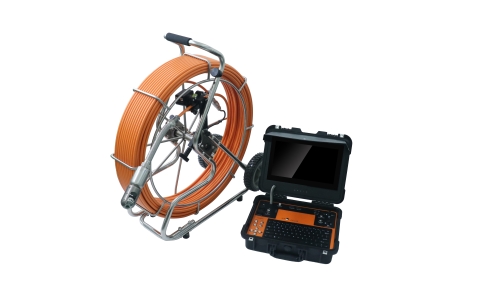

Proper maintenance and care of sewer inspection equipment are essential to ensure reliable performance, extend service life, and maintain accurate diagnostic capabilities. Sewer cameras are exposed to harsh environments, including wastewater, debris, and corrosive materials, which can affect their functionality if not properly maintained. Regular upkeep not only enhances equipment durability but also improves safety and operational efficiency for inspection teams.
Cleaning and Disinfection Procedures
One of the primary maintenance tasks for a sewer camera is thorough cleaning after each use. Debris, grease, and sediment can accumulate on the camera head, push rods, and cables, potentially impairing visibility and functionality. Companies such as Sewer Camera recommend using non-abrasive cleaning solutions and soft cloths to remove contaminants without damaging sensitive lenses or seals. Additionally, disinfecting the camera, especially after inspections in heavily soiled pipelines, helps prevent the spread of bacteria and maintains hygienic conditions for operators.
Inspecting and Maintaining Cables and Push Rods
The integrity of push rods and cables is critical for smooth operation and signal transmission. Inspect cables regularly for cuts, abrasions, or kinks that could interfere with video quality or restrict camera movement. Flexible push rods should be checked for straightness and proper alignment. Applying a light lubricant to connectors or rotating parts can reduce friction and wear, ensuring the camera navigates pipes efficiently while maintaining optimal image clarity.
Lens and Optical Maintenance
High-quality lenses are essential for clear imaging in sewer cameras. Inspect lenses for scratches, cracks, or smudges before and after each inspection. Clean lenses gently with approved lens cleaning solutions and microfiber cloths to avoid damage. For cameras with adjustable focus or zoom features, verify that these mechanisms operate smoothly. Maintaining lens clarity is vital to achieving accurate visual inspections and preventing misdiagnosis of pipeline conditions.
LED Lighting and Illumination Checks
Proper lighting is crucial for high-quality inspections in dark sewer environments. Inspect LED lights regularly to ensure they are functioning and providing consistent brightness. Replace any malfunctioning or dim LEDs promptly. Some advanced systems have adaptive lighting controls that should be tested periodically to confirm proper operation. Adequate illumination enhances image resolution, improves defect detection, and ensures reliable inspection results.
Storage and Environmental Protection
When not in use, sewer cameras should be stored in a dry, temperature-controlled environment to prevent damage from moisture, extreme temperatures, or corrosion. Protective cases or racks can prevent physical damage during storage and transport. Avoid exposing camera components to direct sunlight or harsh chemicals that may degrade materials or seals over time.
Routine Functional Testing
Regular functional testing of the camera system ensures that all components, including sensors, LEDs, cables, and control units, are operating correctly. Perform pre-inspection checks to confirm proper video transmission, pan-and-tilt responsiveness, and self-leveling functions if applicable. Addressing minor issues early prevents unexpected failures during critical inspections and maintains operational reliability.
Software Updates and Digital Maintenance
Many modern sewer cameras include digital interfaces, recording software, and remote monitoring capabilities. Regularly updating firmware and software ensures optimal performance, security, and compatibility with new technologies. Backing up inspection data and reviewing recordings periodically helps maintain organized records, supports maintenance planning, and preserves valuable inspection history.
Operator Training and Best Practices
Proper handling and usage by trained operators is an often-overlooked aspect of maintenance. Operators should be familiar with deployment techniques, cleaning procedures, and storage protocols. Following manufacturer guidelines reduces wear, prevents accidental damage, and ensures that the camera functions correctly during inspections.
Conclusion
Maintaining a sewer camera requires attention to cleaning, component inspection, lens care, lighting checks, storage, functional testing, software updates, and operator training. By following these maintenance and care tips, inspection teams can extend the life of their equipment, ensure accurate diagnostics, and perform sewer inspections safely and efficiently. Proper upkeep not only protects the investment in equipment but also contributes to the reliable operation of critical underground infrastructure.