
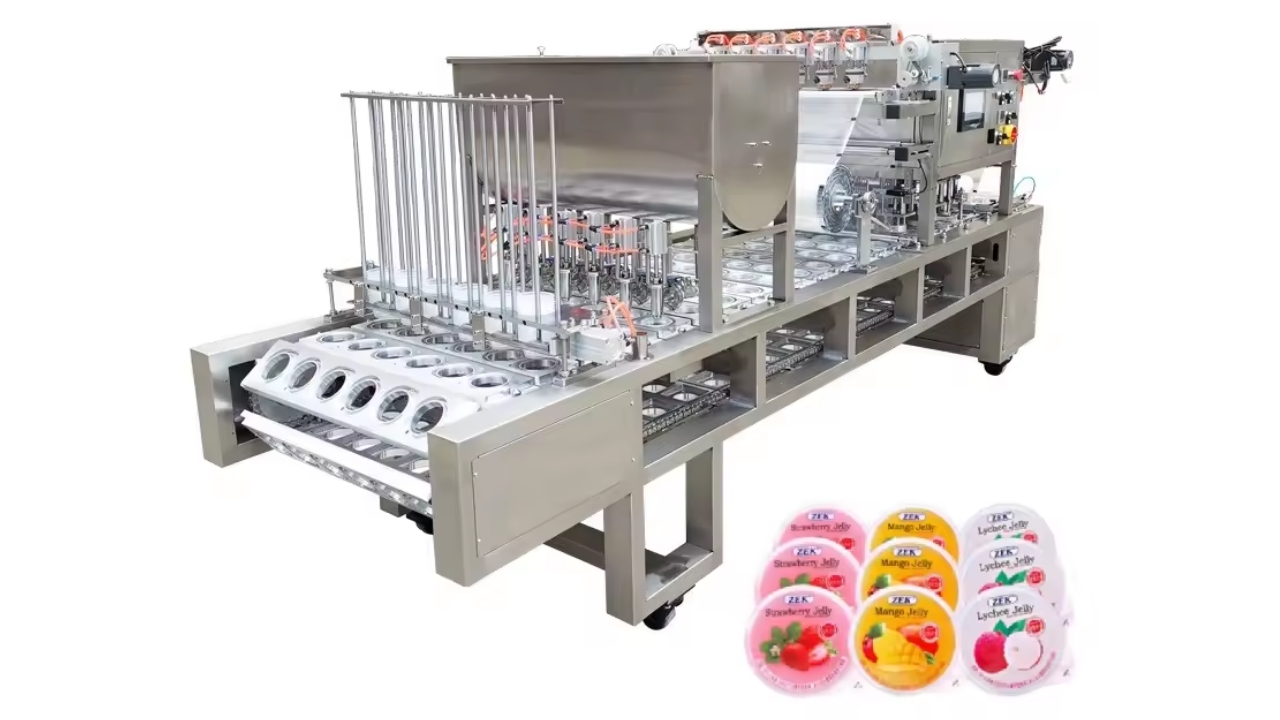

The success of a gummy candy manufacturing facility depends not only on the quality of the ingredients and production processes but also on the proper maintenance and care of the production equipment. A well-maintained gummy candy production line ensures consistent product quality, reduces downtime, and extends the lifespan of machinery. Implementing a structured maintenance plan and adhering to best practices can help manufacturers optimize efficiency, minimize production delays, and prevent costly repairs. Understanding the key maintenance and care tips is essential for any facility operating or planning to operate a Gummy Candy Production Line.
Investing in modern Gummy Candy Production Line systems allows manufacturers to incorporate automation, precision controls, and integrated monitoring. However, even advanced machinery requires regular care and attention to function optimally. Neglecting maintenance can lead to production inconsistencies, equipment breakdowns, and decreased overall productivity. By following a proactive maintenance strategy, operators can ensure smooth operations while maintaining high-quality gummy products.
Establish a Regular Cleaning Schedule
One of the most critical aspects of maintaining a gummy candy production line is thorough and regular cleaning. Residue from sugar, gelatin, pectin, and flavorings can accumulate on mixers, cooking tanks, depositing machines, molds, and conveyors. If not cleaned properly, these residues can lead to contamination, affect flavor, and compromise the texture of the gummies.
Cleaning should follow a scheduled routine that includes both daily and periodic deep cleaning. Daily cleaning focuses on surfaces that come into direct contact with the candy, while deep cleaning involves disassembling components for thorough sanitation. Using food-safe cleaning agents and ensuring all residues are removed helps maintain hygiene and prevents equipment damage over time.
Lubrication of Moving Parts
Many components in a gummy candy production line, such as mixers, conveyors, depositing systems, and packaging machines, contain moving parts that require proper lubrication. Regularly lubricating bearings, gears, and other mechanical parts reduces friction, prevents wear, and extends the life of the equipment.
It is essential to use food-grade lubricants to avoid contamination of the candy. Manufacturers should follow the lubrication schedules recommended by the equipment supplier and keep detailed records of maintenance activities. Proper lubrication not only enhances performance but also reduces energy consumption and prevents unexpected breakdowns.
Monitor Temperature and Cooking Equipment
Cooking tanks and kettles play a vital role in achieving the correct texture and consistency in gummy candies. Regular maintenance of heating elements, temperature sensors, and control systems is crucial.
Operators should routinely check for signs of overheating, corrosion, or scaling inside cooking tanks. Calibration of temperature sensors ensures that the candy mass is cooked uniformly, preventing inconsistencies in texture or flavor. Additionally, inspecting pipelines and pumps for blockages or leaks helps maintain efficient flow and reduces the risk of equipment failure.
Inspect Depositing and Molding Systems
Depositing and molding systems require careful attention to maintain precision and product uniformity. Nozzles, molds, and trays should be inspected regularly for wear, clogging, or deformation. Damaged or misaligned components can lead to inconsistent candy shapes, weight variations, or defects in layering and fillings.
Cleaning and aligning molds, checking nozzle openings, and monitoring deposit volumes are essential maintenance tasks. Using automated systems with real-time monitoring can help detect issues early, reducing the risk of producing defective batches and minimizing material waste.
Ensure Proper Cooling and Conveyor Maintenance
Cooling tunnels and conveyors are responsible for setting the gummies while maintaining shape and texture. Fans, belts, and temperature controls should be checked regularly to ensure proper airflow and cooling efficiency. Worn or misaligned conveyor belts can cause gummies to deform or stick, leading to product loss.
Regular inspection and replacement of worn components, as well as proper lubrication of conveyor mechanisms, contribute to smooth operations and consistent product quality. Adjusting airflow and temperature settings according to product specifications ensures optimal cooling performance for different gummy formulations.
Implement Preventive Maintenance Programs
A preventive maintenance program is a proactive approach that helps identify potential problems before they result in breakdowns. Scheduled inspections, routine part replacements, and calibration of sensors are key elements of preventive maintenance.
Predictive maintenance using sensors and IoT-enabled monitoring systems is becoming increasingly popular in modern gummy candy production lines. These systems provide real-time data on machine health, detect early signs of wear, and alert operators to take corrective action. Preventive and predictive maintenance reduces downtime, minimizes repair costs, and ensures uninterrupted production.
Training and Documentation
Proper training of operators and maintenance staff is essential for maintaining a gummy candy production line. Employees should be familiar with machinery operation, cleaning procedures, lubrication schedules, and troubleshooting methods. Clear documentation of maintenance activities, schedules, and technical manuals helps ensure that all tasks are performed consistently and according to manufacturer guidelines.
Conclusion
Regular maintenance and proper care of a Gummy Candy Production Line are critical to achieving consistent product quality, maximizing efficiency, and extending equipment lifespan. Implementing a structured maintenance schedule, performing regular cleaning, lubrication, and inspections, and using preventive and predictive maintenance strategies can significantly reduce downtime and operational costs.
By investing in training and adhering to best practices, manufacturers can ensure smooth operations, reduce waste, and continue producing high-quality gummy candies that meet consumer expectations. Proper maintenance not only protects the equipment but also safeguards the reputation and profitability of the confectionery business.