
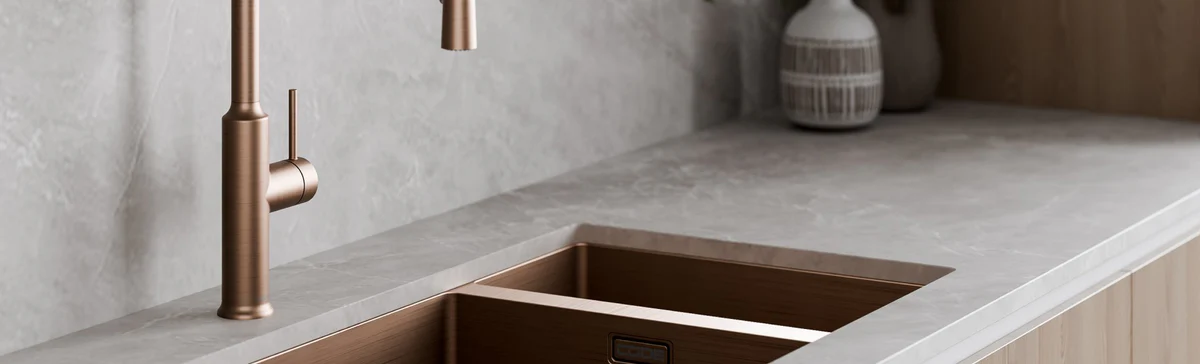

A well-chosen kitchen faucet can dramatically improve both the look and functionality of your kitchen. Kitchen tapware is not just a functional element for delivering water—it also plays a key role in defining the overall style and efficiency of the space. With a wide range of designs, finishes, and features available, selecting the right tapware requires careful consideration of both practical needs and aesthetic preferences. This guide provides insights on choosing the ideal kitchen faucets to suit your home.
Understanding Kitchen Tapware Functions
The primary function of kitchen tapware is to deliver water conveniently and efficiently. However, modern faucets offer more than just basic water flow. Features such as pull-out sprayers, flexible hoses, and touchless operation have become increasingly popular for their ability to enhance usability. Additionally, many faucets now come with water-saving aerators that help reduce water consumption without sacrificing performance.
When choosing tapware, it is essential to consider how it will be used. A faucet intended for frequent heavy-duty use, such as washing large pots or filling tall containers, may require a higher spout or a flexible hose. On the other hand, compact kitchens with limited space may benefit from a smaller, minimalist design that still provides adequate functionality.
Types and Styles of Kitchen Tapware
Kitchen tapware comes in various types, each suited to specific needs and kitchen layouts. Standard faucets with a single lever provide simple control over water temperature and flow, while dual-handle designs allow for more precise adjustments. Pull-out and pull-down faucets are particularly convenient for cleaning large surfaces and reaching all areas of the sink.
For those upgrading or renovating their kitchen, investing in quality Kitchen Tapware ensures long-lasting performance and aesthetic appeal. These faucets are designed to withstand daily use, resist corrosion, and maintain a polished look over time. Choosing the right style and finish, such as brushed nickel, chrome, or matte black, allows homeowners to complement their countertops, sinks, and overall kitchen theme naturally.
Installation and Practical Considerations
Installing kitchen tapware requires careful attention to plumbing connections and the sink configuration. Standard sinks typically have one or three pre-drilled holes, so it’s important to select a faucet that fits the existing setup or plan for additional modifications if necessary. The height and reach of the faucet should also be compatible with the sink size to prevent splashing and ensure comfortable use.
Ergonomics is another critical consideration. Lever handles should be easy to operate, even with wet hands, and swivel spouts should cover the entire sink area. Some modern faucets include features such as adjustable spray patterns and touchless sensors, which not only improve convenience but also enhance hygiene by reducing contact with surfaces.
Maintenance Tips for Kitchen Faucets
Proper maintenance extends the lifespan of kitchen tapware and ensures optimal performance. Regular cleaning with a soft cloth and mild detergent prevents buildup of lime scale and soap residue, which can affect water flow and appearance. Avoid abrasive scrubbers or harsh chemicals, as these can scratch the finish and cause damage over time.
For faucets with pull-out or pull-down hoses, check the spray head periodically for clogs and remove debris to maintain smooth operation. Inspect connections and seals regularly to prevent leaks. If your tapware includes aerators or filters, clean or replace them according to manufacturer recommendations to ensure consistent water quality. Routine care not only keeps the faucet looking new but also prevents costly repairs or replacements.
Conclusion
Choosing the right kitchen tapware balances style, functionality, and durability. With various types, designs, and features available, homeowners can select faucets that complement their kitchen décor while enhancing daily convenience. Paying attention to installation requirements and practicing regular maintenance ensures long-term performance and water efficiency. By investing in quality kitchen tapware and maintaining it properly, you can create a functional and visually appealing kitchen that meets both your practical and aesthetic needs.