
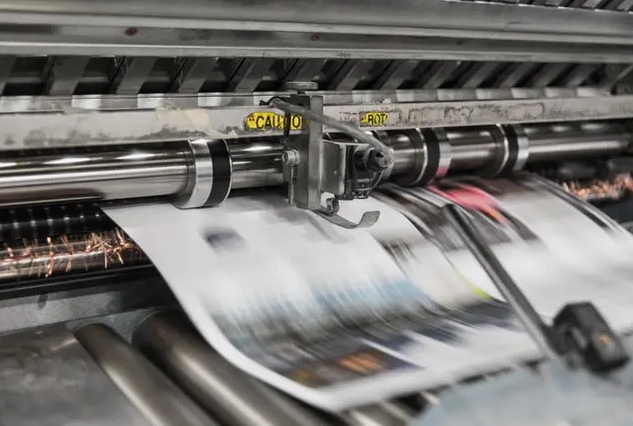

In the printing industry, achieving consistent high-quality output is crucial for both customer satisfaction and operational efficiency. Even minor printing errors can result in wasted materials, costly reprints, and damaged brand reputation. To prevent these issues, manufacturers rely on advanced Print Inspection techniques that identify defects and ensure precise quality control throughout the production process.
Understanding Print Inspection
Print Inspection is a systematic process used to monitor, detect, and correct errors in printed materials. By implementing advanced inspection techniques, manufacturers can ensure that their outputs meet the required standards for color accuracy, alignment, clarity, and overall print quality. Many companies use solutions like Print Inspection to integrate automated quality control, which minimizes human error and streamlines the production workflow.
Key Techniques in Print Inspection
1. Visual Inspection
Visual inspection is the most basic form of print quality control, where operators manually examine printed materials for defects. Although labor-intensive, this technique is useful for identifying obvious errors such as smudges, streaks, or misalignments. However, due to the fast pace of modern production lines, visual inspection alone is often supplemented with automated techniques for higher accuracy and consistency.
2. Automated Camera Inspection
High-resolution cameras paired with intelligent software are widely used in automated Print Inspection systems. These cameras capture detailed images of printed materials and compare them against reference templates. The system can detect misaligned graphics, missing text, color deviations, and other subtle defects that may not be visible to the human eye. This technique ensures consistent monitoring even at high production speeds, significantly reducing the likelihood of defective products reaching customers.
3. Color Verification and Measurement
Color accuracy is a critical factor in print quality, especially for packaging, branding, and marketing materials. Advanced Print Inspection systems use color sensors and spectrophotometers to measure color consistency across different batches. By comparing measured values to predefined color standards, manufacturers can detect deviations early and adjust printing parameters to maintain uniformity.
4. Registration Mark Detection
Registration marks are small indicators printed on materials to guide alignment during multi-color printing. Print Inspection systems use these marks to verify that each color layer is correctly aligned, ensuring sharp and precise images. Misaligned registration can result in blurred or overlapping colors, which significantly impacts the overall print quality.
5. Defect Classification and Logging
Modern print inspection techniques include the ability to classify defects based on type, severity, and location. Systems log these defects for further analysis, providing valuable data for process improvement. By identifying recurring issues, manufacturers can adjust equipment, optimize workflows, and implement preventive measures to reduce future errors.
6. Inline and Offline Inspection
Print inspection can be performed either inline, directly on the production line, or offline, after printing is complete. Inline inspection offers real-time feedback, allowing immediate corrective actions without stopping production. Offline inspection provides detailed examination for quality verification of smaller batches or high-precision prints. Both techniques complement each other to ensure comprehensive quality control.
Benefits of Implementing Advanced Print Inspection
Integrating advanced Print Inspection techniques offers multiple benefits. Automated inspection increases accuracy, reduces reliance on manual labor, and improves operational efficiency. Early defect detection minimizes waste and rework costs, while detailed defect logging supports continuous process improvement. Additionally, consistent print quality strengthens brand reputation and ensures compliance with industry standards.
Applications Across Industries
Print inspection techniques are widely used across various sectors, including packaging, labels, commercial printing, and specialty printing. In industries with high regulatory requirements, such as pharmaceuticals and food packaging, precise inspection ensures compliance and reduces the risk of costly recalls. Even in consumer product printing, maintaining consistent quality helps build trust and loyalty among customers.
Conclusion
In conclusion, effective Print Inspection is essential for achieving high-quality output in modern printing operations. Techniques such as automated camera inspection, color verification, registration mark detection, and defect classification ensure precise monitoring and early error detection. By combining these methods with both inline and offline inspection processes, manufacturers can maintain consistent quality, reduce waste, and enhance operational efficiency. Investing in advanced print inspection solutions is a strategic approach to delivering reliable, high-quality products while strengthening brand reputation and customer satisfaction.