
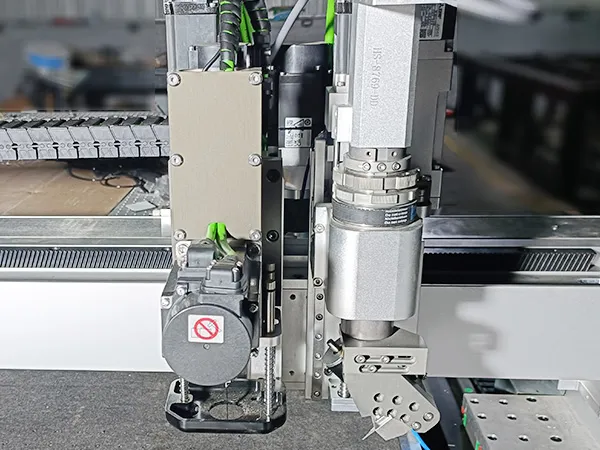

Investing in a high-quality duct fabrication machine is a crucial decision for HVAC manufacturers and contractors. The right equipment can significantly enhance production efficiency, improve accuracy, and reduce labor costs, while a poorly chosen machine can lead to operational delays, higher maintenance expenses, and substandard ductwork quality. Understanding the key features to consider before purchasing a duct fabrication machine is essential for making a smart investment that meets both current and future production needs.
A Duct Fabrication Machine is designed to cut, bend, form, and assemble duct components efficiently. These machines range from basic manual models to advanced automated or CNC systems capable of handling complex designs and high production volumes. Selecting the appropriate machine requires careful evaluation of technical specifications, production requirements, and long-term operational goals.
Production Capacity and Speed
One of the most important factors to consider is the machine’s production capacity and speed. Depending on the volume of ductwork required for your projects, you will need a machine that can handle your workload efficiently. High-capacity machines can produce more components in less time, reducing production bottlenecks and improving overall workflow.
For large-scale operations, automated or CNC duct fabrication machines offer superior output compared to manual or semi-automatic models. They can operate continuously with minimal operator intervention, allowing manufacturers to complete orders faster and maintain consistent quality throughout the production cycle.
Precision and Accuracy
Precision is a key requirement in duct fabrication, as even small deviations can affect airflow, energy efficiency, and system performance. Look for machines that offer precise cutting, bending, and forming capabilities. Features such as CNC controls, laser-guided cutting, and programmable bending angles help ensure that each duct component meets exact specifications.
Accurate fabrication reduces material waste, minimizes rework, and improves installation efficiency. Machines that consistently produce precise results are particularly valuable for complex duct designs or custom projects where maintaining tight tolerances is essential.
Versatility and Material Compatibility
A versatile duct fabrication machine can handle various types of sheet metal, including galvanized steel, aluminum, and stainless steel, as well as different thicknesses. Consider whether the machine can perform multiple operations such as cutting, notching, flanging, and lock forming. Multi-functional machines can consolidate tasks, reduce the need for additional equipment, and save valuable workshop space.
Material compatibility ensures that your machine can meet diverse project requirements, whether you are producing rectangular ducts, round ducts, or custom-profile components. Investing in a versatile machine increases flexibility and enables your business to serve a wider range of clients.
Automation and User Interface
Automation is a critical feature for modern duct fabrication machines. Automated systems reduce manual labor, minimize human error, and increase production efficiency. Look for machines with user-friendly interfaces, such as touchscreens or software-based controls, which allow operators to program cutting patterns, bending sequences, and production parameters easily.
Some advanced machines also include automatic feeding systems and material handling features that further streamline production. A machine with intuitive controls and automation capabilities not only improves productivity but also reduces training requirements and operator fatigue.
Durability and Build Quality
Durability is essential for long-term operation and reliability. Evaluate the machine’s build quality, including the frame, motor, and moving components. Machines constructed from high-quality materials and precision-engineered parts are more resistant to wear and tear, ensuring consistent performance over time.
Regular maintenance is important, but a durable machine will require fewer repairs and minimize downtime. Investing in a well-built duct fabrication machine saves both money and operational headaches in the long run.
Safety Features
Safety is a critical consideration in any fabrication environment. Look for machines equipped with safety features such as protective guards, emergency stop buttons, and automatic shut-off systems. These features protect operators from injury during cutting, bending, and forming operations.
Compliance with local safety regulations and standards should also be verified before purchasing. A machine that prioritizes operator safety ensures a secure working environment and reduces the risk of accidents that could result in costly delays or liability issues.
Support, Service, and Warranty
Reliable after-sales support, service, and warranty coverage are important factors to consider. Machines may require occasional maintenance, software updates, or parts replacement. Working with a manufacturer or supplier that provides comprehensive support ensures minimal disruption to production.
Warranty terms should cover key components and provide protection against defects. Access to technical support and spare parts helps maintain continuous operation and prolongs the machine’s lifespan.
Conclusion
Choosing the right duct fabrication machine requires careful evaluation of production capacity, precision, versatility, automation, durability, safety, and support. Investing in a machine that meets these criteria ensures efficient production, consistent quality, and long-term cost savings.
By selecting a high-quality duct fabrication machine, manufacturers can improve operational efficiency, reduce labor requirements, and deliver reliable, high-performance ductwork for residential, commercial, and industrial HVAC projects. Making an informed decision upfront allows businesses to achieve greater productivity and maintain a competitive edge in the HVAC industry.