
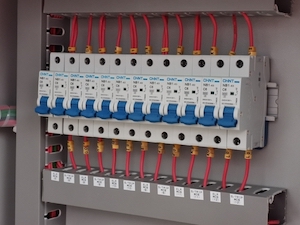

Electrical safety is a critical concern in every household. With numerous appliances, lighting systems, and electronic devices operating simultaneously, residential circuits are often exposed to the risk of overloads, short circuits, and electrical faults. To protect both the wiring and the occupants, electrical systems rely on protective devices like mini circuit breakers. These compact yet efficient devices ensure reliable safety and convenient operation in residential installations.
A dependable option for homeowners is the Mini Circuit Breaker. Designed for low-voltage residential circuits, mini circuit breakers offer a combination of precise protection, ease of use, and durability. Understanding their key features and practical applications helps homeowners and electricians maintain safe and efficient electrical systems.
What Is a Mini Circuit Breaker?
A mini circuit breaker (MCB) is an automatic switch that interrupts the flow of electricity in a circuit when it detects excessive current caused by overloads or short circuits. Unlike traditional fuses, which are one-time-use devices, MCBs can be reset after tripping, making them a convenient and cost-effective solution for household electrical safety.
Mini circuit breakers are compact and easy to install in consumer units or distribution boards, providing localized protection for individual circuits. They prevent damage to appliances, wiring, and other electrical components while minimizing the risk of fire hazards and other accidents.
Key Features of Mini Circuit Breakers
Mini circuit breakers are specifically designed for residential applications, incorporating several features that make them highly effective:
1. Compact Size
One of the main advantages of MCBs is their compact form factor. They are small enough to fit into standard consumer units without occupying excessive space. This allows multiple breakers to be installed in a single board, providing protection for all circuits in the home.
2. Thermal and Magnetic Protection
Most MCBs utilize a combination of thermal and magnetic mechanisms to ensure reliable operation:
- Thermal Protection: Uses a bimetallic strip that bends in response to sustained overload currents, tripping the breaker to prevent overheating.
- Magnetic Protection: Employs an electromagnet to react instantly to short-circuit conditions, interrupting the circuit and preventing damage.
This dual mechanism ensures both slow-response protection for overloads and fast-response protection for sudden faults.
3. Easy Reset
Unlike fuses, which must be replaced after tripping, mini circuit breakers can be reset with a simple switch. This feature allows homeowners to restore power quickly once the fault is cleared, reducing inconvenience and downtime.
4. Rated Current and Sensitivity
MCBs come with specific current ratings, such as 6A, 10A, 16A, or 32A, allowing precise protection for different household circuits. The sensitivity of the breaker is carefully designed to trip when the current exceeds the rated value, ensuring reliable safety without unnecessary interruptions.
5. Long Service Life
High-quality mini circuit breakers are designed for thousands of operational cycles, offering long-term reliability. Durable materials and precision engineering ensure that the breaker continues to function effectively over time, providing consistent protection.
Uses of Mini Circuit Breakers in Residential Installations
Mini circuit breakers are versatile devices with several key applications in homes:
1. Protection of Lighting Circuits
Lighting systems are a major component of residential electrical networks. MCBs safeguard these circuits by preventing damage caused by overloads or faults. They ensure that a fault in one lighting circuit does not affect other parts of the home.
2. Protection of Power Outlets
Power outlets often handle high currents due to multiple connected devices. Mini circuit breakers prevent overloading, protecting appliances like refrigerators, microwaves, and entertainment systems from electrical damage.
3. Protection of Specialized Circuits
Certain household circuits, such as those for air conditioning units, washing machines, or water heaters, require higher current capacity and precise protection. MCBs can be selected based on the current rating to ensure adequate protection for these appliances.
4. Safety in Kitchens and Bathrooms
Wet areas pose an increased risk of electrical hazards. MCBs combined with residual current devices (RCDs) provide enhanced safety by detecting faults and disconnecting power quickly, reducing the risk of electric shock.
Installation and Maintenance Tips
Proper installation and maintenance of mini circuit breakers are essential for optimal performance:
- Ensure the breaker rating matches the circuit’s requirements.
- Install breakers in a properly rated consumer unit or distribution board.
- Regularly test the breaker to verify correct operation.
- Replace outdated or faulty MCBs promptly to maintain safety.
- Consult a licensed electrician for installation and inspection to comply with local electrical codes.
Conclusion
Mini circuit breakers are fundamental components of residential electrical systems, offering protection against overloads, short circuits, and other electrical faults. Their compact design, dual thermal and magnetic protection, ease of resetting, and long service life make them an indispensable safety device for homes.
For homeowners seeking reliable and durable protection for household circuits, the Mini Circuit Breaker provides an effective solution. By selecting the right breaker for each circuit and ensuring proper installation and maintenance, residential electrical systems can remain safe, efficient, and reliable for years to come.