
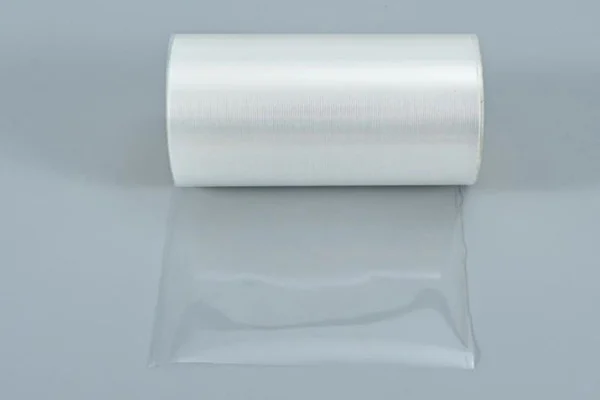

Water soluble films have revolutionized packaging solutions across industries such as detergents, pharmaceuticals, food, and agriculture. These films are designed to dissolve completely in water while maintaining sufficient strength during handling, making them ideal for single-dose packaging and pre-measured sachets. The efficiency and reliability of these films depend heavily on the machines used to package them. Water soluble film packaging machines are sophisticated pieces of equipment engineered to handle delicate films, ensure precise dosing, and produce consistent, high-quality packages.
At the heart of the production process, a reliable Water Soluble Film Packaging Machine ensures smooth integration of raw materials, accurate dosing, and controlled sealing. A leading Water Soluble Film Packaging Machine incorporates multiple components designed to maintain efficiency, protect film integrity, and provide flexibility for various product applications. Understanding these key components helps manufacturers select and operate machines that meet industry standards and production requirements.
Film Feeding System
The film feeding system is the first critical component in a water soluble film packaging machine. It is responsible for unwinding the film roll or sheet and guiding it accurately into the forming and dosing sections. The system includes rollers, guides, and tension controllers that prevent the film from tearing or wrinkling during transport.
Precision in the feeding system ensures that films are properly aligned for accurate cutting and dosing, which is crucial for maintaining uniform packaging and minimizing material waste. High-quality machines often include adjustable tension mechanisms and sensors to detect any irregularities in the film.
Forming and Shaping Mechanism
Once the film is fed into the machine, the forming and shaping mechanism creates the structure for the final package. This may include shaping the film into pouches, sachets, or pods depending on the application. The forming section uses molds, dies, or folding mechanisms to create uniform pockets that hold the product.
The accuracy of this component is critical because even minor deviations can affect package integrity, product protection, and dosing consistency. Advanced machines are designed to handle various film thicknesses and adapt to multiple shapes without compromising speed or precision.
Dosing and Filling System
The dosing and filling system ensures that the correct amount of product is placed inside each film package. Depending on the application, the system may handle powders, granules, liquids, or gels. This component typically consists of hoppers, pumps, volumetric or gravimetric dosing units, and conveyance mechanisms.
Accuracy in dosing is essential for both consumer safety and operational efficiency. Inconsistent doses can lead to product waste, packaging errors, and reduced customer satisfaction. High-performance machines include sensors and feedback systems that monitor fill levels and automatically adjust for variations in flow or density.
Sealing and Cutting Unit
Sealing and cutting is one of the most crucial stages in water soluble film packaging. The sealing unit applies heat, pressure, or ultrasonic energy to bond the film edges securely, creating a leak-proof and durable package. The cutting mechanism then separates individual units from continuous film rolls or sheets.
Advanced machines integrate precise temperature and timing controls to ensure seals are consistent without damaging the film. Some systems use dual-seal technology or multiple sealing jaws to enhance reliability, particularly for sensitive products like detergents, pharmaceuticals, or liquid chemicals.
Control System and User Interface
Modern water soluble film packaging machines are equipped with sophisticated control systems that manage all aspects of production. Programmable logic controllers (PLCs) and touch-screen interfaces allow operators to adjust parameters such as film feed rate, dosing quantity, sealing temperature, and cutting length.
These control systems enable real-time monitoring of the machine’s performance, error detection, and quick adjustments without halting production. Automation and precise controls help maintain consistency across large production volumes, reducing human error and operational downtime.
Sensors and Quality Assurance Modules
Quality assurance is an integral part of water soluble film packaging machines. Sensors monitor film alignment, fill levels, seal integrity, and package dimensions. Any deviation from preset standards triggers alarms or stops the machine to prevent defective products from entering the supply chain.
Some machines also feature vision systems or weight verification units that further enhance quality control. These modules ensure that every package meets both industry regulations and customer expectations for reliability and performance.
Auxiliary Components
In addition to the main components, water soluble film packaging machines include auxiliary systems that support smooth operation. These may include vacuum units for liquid handling, cooling systems for sealing processes, conveyors for finished packages, and dust or moisture control mechanisms.
These supplementary components contribute to overall efficiency, reduce downtime, and protect both the product and the delicate film during production.
Conclusion
A water soluble film packaging machine is a complex system composed of multiple integrated components that work together to produce high-quality, reliable packages. From the film feeding system and forming mechanism to dosing, sealing, and control modules, each part plays a vital role in maintaining consistency, accuracy, and efficiency. Understanding these key components allows manufacturers to select appropriate machines, optimize production, and ensure that water soluble films meet the demands of various industries. By investing in advanced packaging machines, companies can enhance product safety, reduce waste, and improve operational performance while taking full advantage of the benefits that water soluble films provide.