
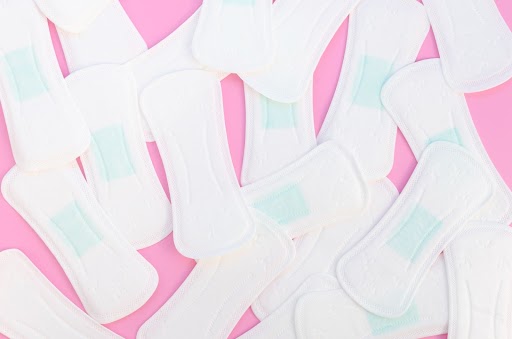

Hypoallergenic sanitary pads are gaining attention as more women look for gentler, skin-friendly period products. For those who struggle with itching, rashes, or irritation during their cycle, these pads promise a more comfortable experience . But do they truly reduce allergic reactions, or is it just clever marketing?
Understanding what hypoallergenic really means can help you make smarter choices for your body. Let’s take a closer look at whether these pads live up to the hype and deliver real relief.
What Makes a Sanitary Pad Hypoallergenic?
A sanitary pad is considered hypoallergenic when it is designed to minimise the risk of allergic reactions and skin irritation. These pads are typically made without harsh chemicals, synthetic fragrances, or dyes that can trigger sensitivity. The focus is on using softer, breathable materials that are gentle on intimate skin.
While hypoallergenic doesn’t guarantee zero reaction, it usually means the product is formulated with sensitive users in mind. For women prone to irritation, this label can signal a safer and more skin-friendly option.
Common Ingredients Found in Regular Sanitary Pads
Many regular sanitary pads contain synthetic fibres, absorbent gels, adhesives, and sometimes added fragrances. These materials help with absorption and odour control,l but may not always be kind to sensitive skin. Some pads also include bleaching agents used to whiten the top layer.
While these ingredients are generally considered safe, they can cause discomfort for certain individuals. Over time, repeated exposure may lead to itching or redness in women with delicate skin.
Why Some Women Experience Skin Irritation During Periods
Skin irritation during periods can happen for several reasons, including moisture, friction, and prolonged pad usage. The intimate area is naturally sensitive, and constant contact with certain materials can disrupt the skin barrier.
Heat and humidity trapped between the pad and skin can worsen the problem. Hormonal changes during menstruation may also make the skin more reactive than usual. All these factors combined can lead to rashes, itching, or even mild swelling.
Materials Used in Hypoallergenic Sanitary Pads
Hypoallergenic sanitary pads are often made from organic cotton, bamboo fibres, or other breathable plant-based materials. These materials allow better airflow and reduce moisture buildup. They are usually free from artificial fragrances and harsh chemical treatments.
The absorbent core is designed to work effectively without irritating additives. By focusing on simplicity and skin-friendly components, these pads aim to provide comfort throughout the day.
Are Hypoallergenic Pads Safe for Sensitive Skin?
Hypoallergenic pads are generally considered safer for women with sensitive skin, but individual reactions can still vary. Since they avoid common irritants like dyes and perfumes, the risk of allergic responses is lower.
Dermatologists often suggest switching to fragrance-free products when irritation occurs. However, it’s still important to monitor how your body reacts. Even natural materials can sometimes cause mild sensitivity in rare cases.
How to Identify Allergic Reactions to Menstrual Products
Allergic reactions to menstrual products may show up as itching, burning, redness, or small bumps in the intimate area. In more severe cases, there may be swelling or persistent discomfort. These symptoms usually appear shortly after using a new product.
If the irritation improves once you stop using the pad, it’s a strong sign that the product was the trigger. Paying attention to changes in your skin can help you identify and avoid problematic materials.
Comparing Organic and Hypoallergenic Sanitary Pads
Organic sanitary pads are made from natural materials grown without pesticides, while hypoallergenic pads focus on reducing irritants. Although the two categories often overlap, they are not exactly the same.
A pad can be organic but still contain elements that irritate certain users. Similarly, a hypoallergenic pad may not always be fully organic. Understanding this distinction helps women choose products that match their specific needs and preferences.
Dermatologist Opinions on Hypoallergenic Pads
Many dermatologists recommend fragrance-free and chemical-free menstrual products for women experiencing repeated irritation. They emphasise the importance of breathable materials that reduce moisture buildup.
While hypoallergenic pads can be beneficial, experts also stress proper hygiene and frequent pad changes. No product works perfectly for everyone, but switching to gentler options often improves comfort. Professional advice can be helpful if irritation persists despite product changes.
How to Choose the Right Pad for Your Skin Type
Choosing the right pad starts with knowing your skin type and sensitivity level. If you have easily irritated skin, look for products labelled fragrance-free and dye-free. Checking the ingredient list can provide useful clues about potential irritants.
It’s also helpful to test a new product for a short time before committing fully. Finding the right fit may take trial and error, but comfort is worth the effort.
Do Hypoallergenic Sanitary Pads Deliver Real Results?
For many women, hypoallergenic sanitary pads do reduce itching and irritation during their periods. By removing common triggers like perfumes and harsh chemicals, they create a gentler experience. However, results can differ depending on individual skin sensitivity and lifestyle habits.
Regularly changing pads and maintaining good hygiene also play a major role in comfort. Overall, these pads can make a noticeable difference, especially for those with sensitive skin.
Conclusion
Hypoallergenic sanitary pads can be a game-changer for women who struggle with irritation and discomfort during their periods. By avoiding harsh chemicals, fragrances, and dyes, they aim to create a gentler experience for sensitive skin.
While they may not eliminate every reaction for everyone, many users notice a clear improvement in comfort. In the end, hypoallergenic pads do work for many wom, en but the best choice always depends on your body’s unique needs.