

As performance textiles continue to evolve, manufacturers are increasingly focused on materials that can deliver protection without limiting movement or comfort. Traditional waterproof fabrics often prioritize barrier performance at the expense of stretch and softness, making them less suitable for applications that require flexibility. This challenge has driven interest in knitted constructions that naturally offer elasticity and adaptability.
In response to this demand, Waterproof Knitted Fabric has emerged as a practical solution that combines the inherent stretch of knitted textiles with reliable water resistance. By integrating waterproof membranes or coatings into a knitted base, this fabric type achieves a balance between freedom of movement and moisture protection. Its versatility has made it popular across apparel, home textiles, and technical applications.
Understanding the Structure of Waterproof Knitted Fabric
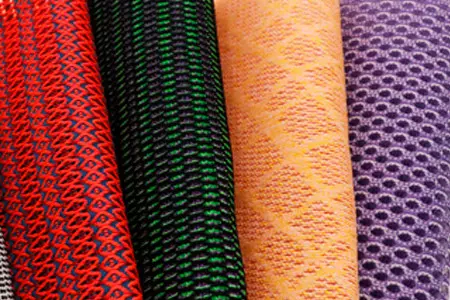
Waterproof knitted fabric is built on a knitted textile foundation, which is known for its looped construction and natural elasticity. Unlike woven fabrics, knitted structures can stretch and recover easily, allowing the fabric to conform to shapes and movements. To add waterproof functionality, a membrane or coating is bonded to the knitted layer.
This bonding process is carefully engineered to preserve flexibility while ensuring a continuous barrier against liquids. The result is a composite fabric that behaves like a soft, stretchable textile while maintaining dependable resistance to water penetration.
Why Knitted Construction Enhances Flexibility
The primary advantage of knitted fabrics lies in their structure. The interconnected loops allow the fabric to stretch in multiple directions, making it ideal for applications that involve frequent movement or bending. When combined with waterproof technology, this flexibility remains largely intact, unlike rigid waterproof materials that restrict motion.
This characteristic is especially valuable in products where comfort and fit are critical. The fabric can adapt to body movements or surface contours without cracking, creasing, or losing its protective properties.
Achieving Effective Water Resistance
Water resistance in knitted fabrics is achieved through the integration of advanced membranes or coatings. These layers are designed to block liquid water while remaining thin and pliable. High-quality waterproof knitted fabrics ensure that the membrane stretches along with the knitted base, preventing delamination or weak points.
Unlike surface treatments that wear off over time, bonded waterproof layers provide long-lasting protection. This makes the fabric suitable for repeated use and washing without significant loss of performance.
Breathability and Moisture Management
Another important aspect of waterproof knitted fabric is breathability. Many modern membranes allow water vapor to escape while preventing liquid ingress. This feature helps regulate temperature and reduce moisture buildup, enhancing comfort during prolonged use.
In applications such as bedding, apparel, or protective covers, breathability plays a key role in user satisfaction. The knitted base supports airflow, while the waterproof layer ensures that external moisture does not compromise the underlying surface.
Applications in Apparel and Wearable Products
Waterproof knitted fabric is widely used in apparel where stretch and comfort are essential. Activewear, outerwear linings, and protective garments benefit from the fabric’s ability to move naturally with the wearer. The stretch provided by the knitted structure improves fit and reduces pressure points.
In addition, the soft hand feel of knitted textiles makes them more comfortable for direct skin contact compared to stiffer waterproof alternatives. This has expanded their use in everyday clothing and performance-focused garments.
Use in Home and Technical Textiles
Beyond apparel, waterproof knitted fabric is also used in home textiles such as mattress protectors, fitted covers, and furniture linings. The stretch allows these products to fit securely over different shapes and sizes, while the waterproof layer protects against spills and moisture.
In technical and industrial settings, the fabric is valued for its durability and adaptability. Protective covers, flexible enclosures, and specialty liners often rely on knitted waterproof materials to combine resilience with ease of installation and use.
Durability and Long-Term Performance
Durability is a key consideration for any waterproof textile. Knitted fabrics, when properly engineered, offer strong resistance to tearing and fatigue due to their looped structure. When paired with a high-quality waterproof layer, they maintain performance even under repeated stress and laundering.
This durability translates into longer product lifespans and reduced replacement costs, making waterproof knitted fabric a cost-effective option for manufacturers and end users alike.
Design Versatility and Customization
Waterproof knitted fabrics offer significant design flexibility. Manufacturers can adjust yarn types, knit patterns, and membrane properties to achieve specific performance goals. This customization allows the fabric to be tailored for softness, strength, stretch level, or thickness depending on the intended application.
Such adaptability supports innovation across multiple industries, enabling the development of products that meet precise functional and comfort requirements.
Conclusion
Waterproof knitted fabric successfully bridges the gap between flexibility and water resistance through thoughtful material engineering. By combining the stretch and comfort of knitted textiles with durable waterproof technology, it delivers reliable performance across a wide range of uses. As demand grows for materials that protect without restricting movement, this fabric type continues to play an important role in modern textile solutions.