
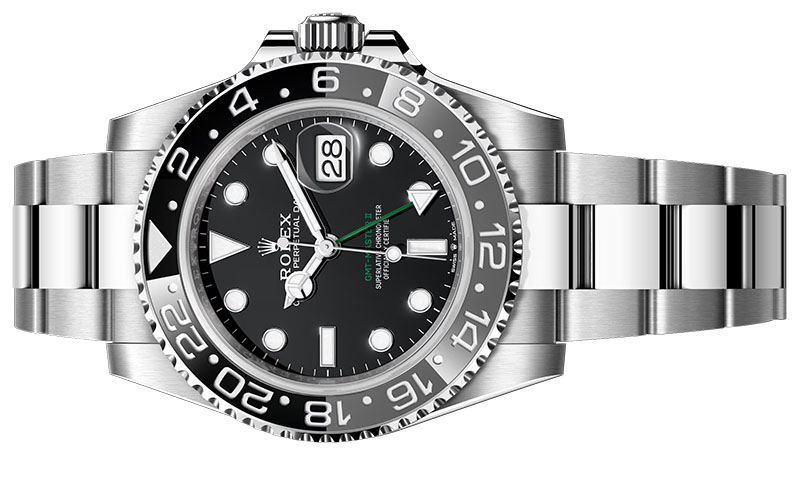

The interest in high-quality alternatives to luxury timepieces has grown significantly in recent years. Among these alternatives, super clone watches have captured the attention of collectors and enthusiasts who value both authenticity and mechanical performance. Unlike standard replicas, super clones are assessed rigorously for their visual accuracy, craftsmanship, and reliability. Understanding the criteria used in their evaluation helps explain why some models stand out in a market filled with varying quality levels.
Collectors often turn to platforms such as super clone watches to study how manufacturers achieve a balance between design fidelity and mechanical integrity. These evaluations go beyond surface-level appearance, emphasizing subtleties that determine whether a watch truly mirrors its luxury counterpart.
Visual Accuracy: The First Measure
The initial factor in evaluating a super clone watch is its visual precision. Collectors examine the case shape, dial layout, markers, hands, and bezel details to determine how closely they match the original. Minor inconsistencies, such as misaligned text, uneven lume application, or slightly incorrect color tones, can significantly reduce the perceived quality.
High-quality super clone watches focus on replicating these features meticulously. From polished and brushed finishes to the correct proportions of case elements, every visual detail is scrutinized to ensure authenticity.
Material Quality and Tactile Feel
Beyond appearance, collectors assess the materials used in super clone watches. Stainless steel, sapphire crystal, ceramic bezels, and solid bracelet links are preferred for their durability and similarity to the original. The weight and feel of the watch are equally important, as a convincing replica should provide a sense of substance and comfort.
The tactile experience includes evaluating crown operation, clasp smoothness, and bracelet articulation. Enthusiasts often handle the watch extensively, checking for ergonomics and how well the materials convey a sense of quality.
Movement Performance and Reliability
Mechanical precision is a defining factor for super clone watches. Collectors examine movement type, timekeeping accuracy, and the smoothness of hand motion. Automatic and mechanical movements are favored over basic quartz options because they more closely replicate the behavior of luxury calibers.
Reliability is tested over time. Buyers may monitor power reserve consistency, resistance to shocks, and overall operational stability. High-grade super clones often undergo regulation to ensure minimal deviation, providing a dependable performance that reinforces their value.
Attention to Detail in Dial and Markers
The dial is a critical aspect of evaluation. Experts check the alignment of markers, spacing of text, and correct application of lume. Subtle elements, such as logo placement and subdial arrangement, are carefully compared to original models. Even minor imperfections can signal lower-quality production and reduce collector interest.
This focus on dial detailing extends to finishes such as sunburst effects, matte textures, or layered coatings, which create visual depth and authenticity. Super clone watches that achieve precise replication are highly prized among enthusiasts.
Case, Bezel, and Crystal Inspection
Collectors also examine the case, bezel, and crystal for both aesthetic and functional fidelity. Cases are checked for accurate dimensions and finishing, while bezels are evaluated for rotation smoothness, engraving quality, and alignment. Crystals are inspected for clarity, scratch resistance, and anti-reflective coatings.
These components contribute to the overall authenticity and usability of the watch. Super clone watches that maintain strict tolerances in these areas are regarded as superior alternatives to basic replicas.
Community Feedback and Comparative Analysis
Another aspect of evaluation involves consulting online forums, review sites, and collector communities. Enthusiasts share detailed comparisons between super clone watches and their original counterparts, highlighting strengths and weaknesses. This collective knowledge helps potential buyers make informed decisions and encourages manufacturers to maintain high standards.
Comparative analysis often involves side-by-side inspections, photography under different lighting conditions, and even mechanical testing. The goal is to verify that the watch can withstand scrutiny from experienced collectors.
Conclusion: Standards for High-Quality Super Clones
Evaluating super clone watches is a comprehensive process that balances visual fidelity, material quality, mechanical performance, and user experience. Collectors and enthusiasts apply meticulous criteria to ensure that a watch not only looks authentic but also functions reliably and feels substantial on the wrist.
The growing sophistication of this market underscores the importance of quality standards in replica timepieces. Super clone watches that meet these criteria successfully provide an alternative for collectors who value design, craftsmanship, and performance, offering a compelling choice for those seeking the experience of luxury without the original price tag.