
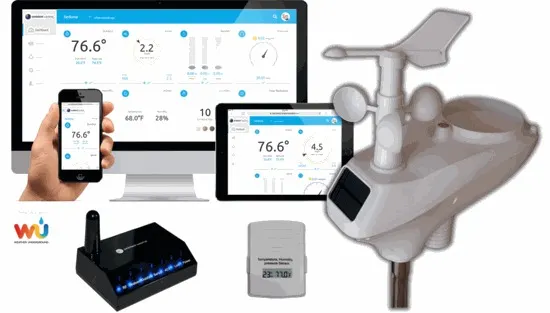

Smart farming, also known as precision agriculture, has revolutionized traditional farming by integrating technology to improve productivity, reduce resource usage, and ensure sustainable practices. The foundation of smart farming lies in accurate, real-time data, which enables farmers to make informed decisions about irrigation, fertilization, pest control, and crop management. Rika weather stations have emerged as a vital tool in this transformation, providing reliable environmental monitoring that supports data-driven agriculture.
Rika weather stations are equipped with advanced sensors that measure temperature, humidity, wind speed, rainfall, solar radiation, and other critical weather parameters. This information is crucial for understanding microclimates and making timely agricultural decisions. Many farmers and agricultural organizations rely on Rika Weather Station solutions because they offer high accuracy, durability in harsh conditions, and seamless integration with IoT and smart farm management systems.
Precision Irrigation Management
Efficient water use is one of the most significant advantages of smart farming. Over-irrigation wastes water and energy, while under-irrigation can stress crops and reduce yield. Rika weather stations provide real-time data on rainfall, humidity, and temperature, which can be combined with soil moisture sensors to optimize irrigation schedules.
By analyzing weather patterns and soil conditions, farmers can determine the precise amount of water each section of a field needs. Automated irrigation systems can then adjust water delivery accordingly, conserving water, reducing energy costs, and promoting healthy crop growth. This precision irrigation approach is particularly beneficial in areas facing water scarcity or drought conditions.
Climate Monitoring for Crop Health
Weather conditions directly affect crop health and development. Temperature fluctuations, high humidity, strong winds, and excessive rainfall can influence plant growth and susceptibility to disease. Rika weather stations monitor these environmental factors continuously, providing farmers with the data needed to protect their crops.
For example, sudden drops in temperature can cause frost damage, while high humidity and warm temperatures may encourage fungal infections. By receiving timely alerts and analyzing trends, farmers can implement protective measures such as adjusting irrigation, applying crop treatments, or using frost covers. This proactive approach minimizes losses and ensures consistent crop quality.
Fertilization and Nutrient Management
Efficient nutrient management is a critical component of smart farming. Rika weather stations provide environmental data that helps farmers optimize fertilization schedules and application rates. Rainfall and temperature data, for instance, can indicate when fertilizer application would be most effective and least likely to be washed away or wasted.
Integrating weather station data with soil sensors further enhances nutrient management. Farmers can apply fertilizers at the right time and in the right quantity, improving nutrient uptake, reducing chemical usage, and promoting sustainable farming practices.
Pest and Disease Prediction
Pests and diseases often thrive under specific climatic conditions. Rika weather stations monitor temperature, humidity, wind patterns, and rainfall, allowing farmers to predict potential outbreaks. Early warnings enable timely interventions, such as targeted pesticide applications or other crop protection measures.
This predictive capability reduces unnecessary chemical use, lowers costs, and protects crop health. By preventing large-scale infestations, farmers can maintain higher yields and improve the quality of their harvests.
Integration with IoT and Smart Farming Platforms
Rika weather stations are designed to integrate seamlessly with IoT-based smart farming platforms. Wireless connectivity options allow data to be transmitted in real time to cloud-based dashboards, where it can be analyzed and visualized. Farmers can access weather and environmental data from multiple fields on mobile devices or computers, enabling efficient management of large or geographically dispersed farms.
IoT integration also allows automated responses. For example, if a weather station detects a sudden temperature drop, connected irrigation, heating, or frost protection systems can activate automatically. This level of automation reduces labor requirements and ensures timely actions that protect crops and optimize growth conditions.
Supporting Sustainable Agriculture
The use of Rika weather stations in smart farming contributes to sustainability by improving resource management and minimizing environmental impact. Accurate monitoring allows for precise application of water, fertilizers, and pesticides, reducing waste and preventing pollution. Additionally, by optimizing crop growth conditions and preventing losses due to weather-related stress, farmers can achieve higher productivity with fewer inputs.
Sustainable practices supported by weather station data also enhance soil health and water conservation, ensuring long-term viability of agricultural operations. This approach benefits farmers economically while supporting environmental stewardship.
Conclusion
Rika weather stations are a critical component of smart farming, providing the accurate, real-time environmental data necessary for precision agriculture. By enabling optimized irrigation, climate monitoring, nutrient management, pest prediction, and IoT integration, these weather stations support data-driven decision-making and enhance overall farm efficiency.
With their durability, reliability, and advanced technology, Rika weather stations allow farmers to implement sustainable practices, improve crop yield, and reduce operational costs. As smart farming continues to evolve, these weather stations will remain essential tools for modern agriculture, helping farmers achieve higher productivity while preserving resources and protecting the environment.