
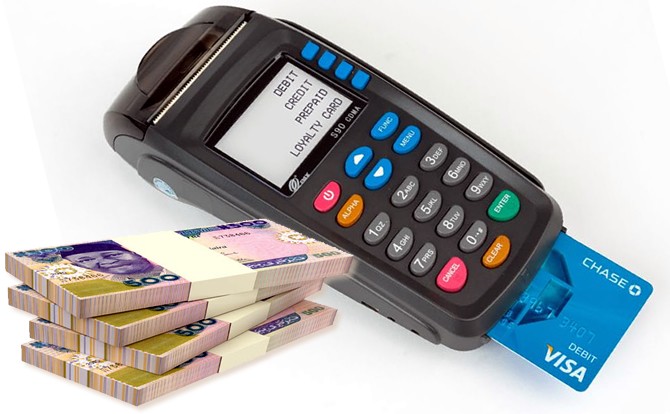

Point of Sale (POS) systems are more than just devices for processing transactions—they are comprehensive tools that streamline business operations, manage inventory, track sales, and enhance customer engagement. For businesses to fully benefit from POS technology, integration with existing software platforms such as accounting systems, customer relationship management (CRM) tools, and e-commerce solutions is essential. POS machine suppliers play a crucial role in ensuring that software integration is smooth, effective, and tailored to the unique needs of each business.
The Role of a POS Machine Supplier in Software Integration
A professional POS machine supplier provides businesses with guidance and support for integrating their POS system with other essential software platforms. This process ensures that data flows seamlessly between applications, minimizing errors and improving operational efficiency. A trusted POS Machine Supplier evaluates the business’s current software ecosystem, identifies integration opportunities, and configures the POS system to work harmoniously with tools such as inventory management, accounting software, loyalty programs, and online storefronts. This comprehensive approach allows businesses to maintain accurate records, streamline workflows, and improve decision-making.
Integration with Accounting and Financial Systems
One of the most critical aspects of software integration is linking the POS system with accounting and financial management tools. By integrating these systems, businesses can automatically synchronize sales data, track revenue, manage expenses, and generate accurate financial reports. This reduces manual data entry, minimizes errors, and saves time for accounting staff. POS suppliers assist in setting up automated workflows, ensuring that all transactions are properly recorded and categorized for reporting and compliance purposes.
Linking Inventory Management Systems
Inventory management is another area where software integration provides significant benefits. A POS system integrated with inventory management software enables businesses to monitor stock levels in real time, automate reorder alerts, and track product movement across multiple locations. POS machine suppliers configure these integrations to ensure that sales, returns, and stock transfers are immediately reflected in the inventory system. This level of integration helps businesses avoid stockouts, reduce overstocking, and maintain accurate records, which is especially important for growing retail and hospitality operations.
Connecting Customer Relationship Management (CRM) Tools
Customer relationship management is essential for businesses looking to enhance engagement and loyalty. POS systems integrated with CRM tools allow businesses to track purchase history, monitor customer preferences, and implement personalized marketing campaigns. Suppliers assist in configuring these integrations to ensure that customer data from POS transactions flows seamlessly into the CRM system. This allows businesses to target promotions effectively, manage loyalty programs, and deliver tailored experiences that increase customer satisfaction and retention.
Integration With E-commerce Platforms
For businesses operating both physical stores and online shops, POS integration with e-commerce platforms is vital. This connection synchronizes product catalogs, inventory, and sales data across channels, preventing discrepancies and ensuring a consistent customer experience. POS machine suppliers assist in configuring these integrations, allowing real-time updates on stock availability, order processing, and customer data. By unifying online and offline operations, businesses can operate more efficiently and provide customers with a seamless shopping experience.
Ensuring Data Security and Compliance
Software integration must also prioritize data security and compliance. POS suppliers ensure that integrated systems adhere to industry standards and regulations, including secure payment processing and protection of customer information. They configure encryption, access controls, and secure data transfer protocols to minimize the risk of breaches. By handling security considerations during integration, suppliers help businesses maintain compliance while safeguarding sensitive financial and customer data.
Testing and Post-Integration Support
A key part of software integration is testing and ongoing support. POS machine suppliers thoroughly test integrated systems to ensure all applications communicate accurately and that data flows without interruptions. They also provide training for staff and offer post-integration support to troubleshoot issues, update software, and optimize performance. This ongoing assistance ensures that businesses continue to benefit from seamless operations even as software platforms evolve or new applications are added.
Conclusion
Software integration is critical for businesses seeking to maximize the benefits of POS systems. POS machine suppliers play a vital role in connecting POS hardware and software with accounting tools, inventory management systems, CRM platforms, and e-commerce solutions. Through careful planning, configuration, testing, and ongoing support, suppliers ensure seamless data flow, enhanced operational efficiency, and improved customer experiences. Partnering with a reliable POS machine supplier allows businesses to focus on growth and service quality while leveraging integrated systems to make informed, data-driven decisions.