
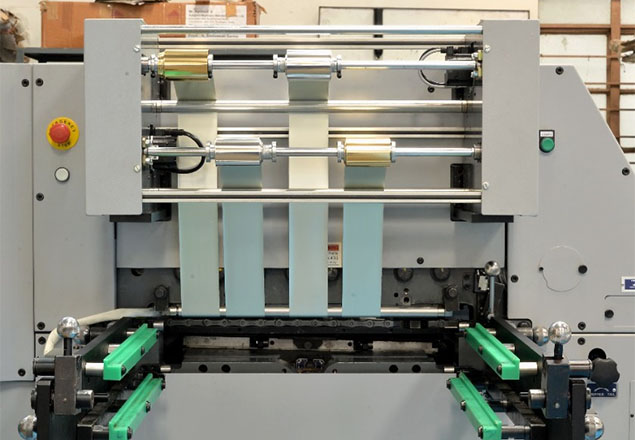

Businesses that want their products to stand out in competitive markets often rely on advanced finishing technologies. One of the most effective solutions used today is foil stamping, a process that applies metallic or colored foil onto materials using heat and pressure. This technique enhances packaging, labels, and printed materials by creating a premium visual effect. Manufacturers across industries use this technology to improve product presentation, strengthen branding, and achieve consistent results in large-scale production.
In modern manufacturing environments, an automatic hot stamping machine allows companies to automate the entire foil stamping process with high precision. By integrating automated sheet feeding, temperature control, and pressure regulation, these machines ensure accurate foil application across various materials. This level of automation not only improves production speed but also reduces manual errors, making it an essential solution for high-volume printing and packaging operations.
Understanding the Foil Stamping Process
Foil stamping is a specialized printing technique that transfers a thin layer of foil onto a surface through controlled heat and pressure. A heated metal die presses the foil onto the material, leaving behind a decorative design or text.
The foil used in this process may be metallic, holographic, matte, or pigmented. Once transferred, it creates a sharp and durable finish that adds elegance and visual appeal to the product.
Unlike traditional printing methods, foil stamping does not rely on ink. Instead, the foil itself provides the color and shine, which results in a cleaner and more sophisticated appearance.
Why Automation Is Transforming Foil Stamping
Traditional foil stamping methods often involve manual adjustments and slower production speeds. Automation introduces advanced mechanical and digital systems that significantly improve efficiency and consistency.
Faster Production Cycles
Automated stamping equipment can process thousands of sheets in a single hour. This allows manufacturers to meet high production demands without sacrificing quality.
Greater Precision
Digital controls and sensors ensure that the foil is applied in the exact position on every sheet. This precision is essential for maintaining brand consistency and avoiding printing errors.
Reduced Labor Requirements
Automation reduces the need for constant manual supervision. Operators can manage the process more easily while the machine handles repetitive tasks.
Improved Operational Reliability
Modern stamping machines are designed with advanced engineering that minimizes downtime and ensures stable performance during long production runs.
Applications Across Multiple Industries
Foil stamping technology is widely used in industries that require premium finishing and decorative printing.
Luxury Packaging
High-end packaging often incorporates foil stamping to highlight logos, brand names, and design elements. Products such as perfumes, cosmetics, and premium electronics frequently feature metallic finishes created through this process.
Commercial Printing
Printing companies use foil stamping to enhance products like invitation cards, greeting cards, book covers, and certificates. The technique adds elegance and professional appeal to printed materials.
Product Labels and Tags
Labels with foil accents are more eye-catching and help products stand out on retail shelves. This makes the technique especially valuable for fashion brands and specialty consumer goods.
Leather and Specialty Materials
Foil stamping is also used on leather items, including wallets, handbags, and notebooks. The process creates clean, durable brand impressions without damaging the material.
Essential Features of Modern Stamping Equipment
When selecting a foil stamping machine, manufacturers typically consider several features that impact performance and productivity.
Precise Temperature Management
Maintaining consistent heat levels is essential for proper foil transfer. Modern machines include advanced temperature control systems that allow operators to adjust settings based on the material being used.
Automatic Sheet Feeding
Automated feeding systems improve efficiency by reducing the need for manual handling of materials. This ensures continuous production with minimal interruptions.
Accurate Positioning Systems
High-quality stamping machines include advanced registration technology that guarantees perfect alignment of designs.
Strong and Durable Design
Industrial stamping machines are built with robust components that support continuous operation in demanding manufacturing environments.
Advantages for Printing and Packaging Companies
Adopting automated foil stamping equipment provides numerous benefits for manufacturers seeking higher productivity and better product quality.
Enhanced Product Appeal
Foil stamping adds a premium aesthetic that captures customer attention. A well-designed metallic finish can significantly influence purchasing decisions.
Lower Material Waste
Precise automation reduces the risk of misprints or damaged sheets. This results in less wasted material and improved cost efficiency.
Flexible Production Options
Manufacturers can quickly switch between different designs, materials, and foil types. This flexibility allows businesses to handle a wide variety of projects.
Long-Term Cost Savings
Although automated machines require an initial investment, their efficiency and reliability often lead to lower operational costs over time.
Maintenance Tips for Long-Term Performance
Proper maintenance plays a critical role in ensuring the longevity and reliability of stamping machines.
Routine Cleaning
Dust and residue from materials can accumulate in machine components. Regular cleaning helps maintain smooth operation and prevents mechanical issues.
Monitoring Heat and Pressure Settings
Operators should check these settings regularly to ensure the stamping process remains consistent and effective.
Inspecting Stamping Dies
Over time, stamping dies may wear out. Replacing them when necessary ensures clear and accurate impressions.
Scheduled Professional Servicing
Periodic maintenance performed by trained technicians helps detect potential issues before they affect production.
Future Trends in Foil Stamping Technology
The printing and packaging industries continue to evolve with new technological advancements. Foil stamping equipment is also becoming more sophisticated.
Smart Manufacturing Integration
Modern machines increasingly connect with digital production systems, allowing operators to monitor performance and efficiency in real time.
Energy-Efficient Engineering
New designs focus on reducing energy consumption while maintaining high productivity levels.
Multi-Process Finishing Systems
Some advanced machines now combine foil stamping with additional finishing processes such as embossing and die cutting. This integration allows manufacturers to perform multiple tasks within a single production line.
Advanced Sensor Technology
Innovative sensors and automated calibration systems improve alignment accuracy and ensure consistent stamping quality.
Conclusion
Foil stamping remains one of the most effective techniques for creating premium visual effects in packaging and printing. By combining heat, pressure, and precision engineering, modern machines enable manufacturers to produce elegant and high-quality finishes at scale.
As businesses continue to focus on branding and product presentation, automated stamping technology offers a powerful solution for achieving both efficiency and visual excellence. Companies that invest in advanced stamping equipment can improve productivity, maintain consistent quality, and deliver products that stand out in competitive markets.