
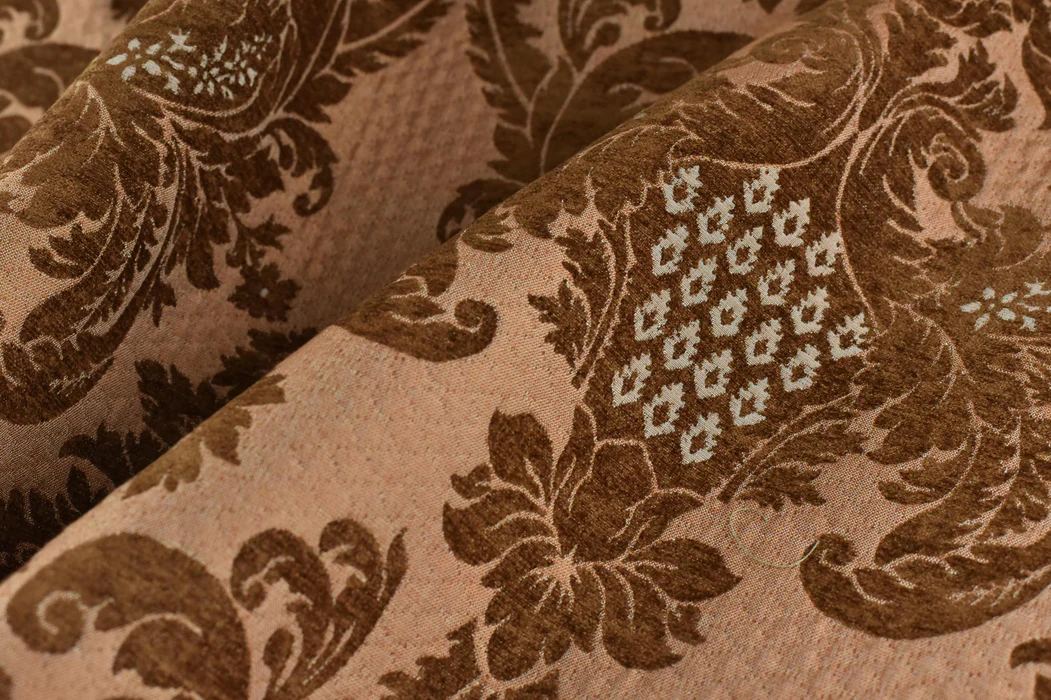

Chenille fabric for clothing has become a popular choice among designers and consumers looking for materials that combine comfort, warmth, and visual appeal. Its soft, plush surface provides a tactile experience that enhances garments while offering durability and style versatility. From casual wear to luxury fashion pieces, chenille adds a unique touch to a wide range of apparel.
Many designers explore curated collections such as Chenille Fabric For Clothing to select fabrics that provide both functionality and aesthetic appeal. The combination of softness, textured appearance, and insulating qualities makes chenille a reliable option for garments that need to feel comfortable while maintaining their structure and visual interest.
Composition and Construction of Chenille Fabric for Clothing
Chenille fabric is typically created by twisting short lengths of yarn around two core threads and then cutting the fibers to form a soft pile. This construction produces a plush surface that is gentle on the skin and visually distinctive. The yarns can be made from natural fibers such as cotton or wool, synthetic fibers like polyester or rayon, or blends that optimize comfort, resilience, and color retention.
The pile height and density can vary depending on the intended garment, allowing designers to produce clothing that ranges from lightweight, soft sweaters to heavier, more insulating outerwear. This adaptability makes chenille suitable for a wide range of fashion applications.
Warmth and Comfort in Apparel
One of the main reasons chenille fabric is favored for clothing is its warmth. The dense pile traps heat, providing natural insulation that is ideal for cooler weather. This makes chenille garments particularly suitable for sweaters, cardigans, robes, scarves, and winter accessories.
The softness of chenille adds to comfort, creating garments that feel luxurious against the skin. Unlike flat-knit fabrics, chenille offers a tactile richness that enhances the overall wearing experience, making clothing both functional and indulgent.
Style and Textural Appeal
Chenille fabric brings a distinctive texture to garments, giving them depth and visual interest. The raised pile reflects light subtly, creating a rich, dynamic appearance even in solid-colored fabrics. This characteristic makes chenille particularly appealing for statement pieces or layered outfits.
Its versatility also allows designers to incorporate patterns, embroidery, and color variations, further enhancing the aesthetic appeal. Chenille can be used to create both understated classics and bold fashion-forward designs, making it a flexible choice for contemporary wardrobes.
Durability and Everyday Use
In addition to comfort and style, chenille fabric for clothing is surprisingly durable. The twisted yarn structure helps resist wear, pilling, and fiber shedding, especially when synthetic or blended fibers are included in the construction. This durability ensures that garments maintain their softness and visual appeal over time, even with regular use.
With proper care, chenille clothing retains shape, texture, and color, making it a practical option for everyday wear. The fabric’s ability to withstand repeated washing and handling adds to its appeal for casual and luxury apparel alike.
Applications in Fashion
Chenille fabric is widely used across different segments of the fashion industry. Lightweight chenille works well for everyday sweaters, tops, and cardigans, while heavier fabrics are ideal for winter coats, robes, and cozy loungewear. Its softness and warmth also make it a preferred choice for accessories such as hats, gloves, and scarves.
Fashion designers value chenille not only for its comfort but also for the luxurious appearance it imparts to garments. Its versatility allows for creative experimentation in texture, color, and pattern, resulting in pieces that are both stylish and practical.
Care and Maintenance Tips
To maintain chenille clothing, gentle handling is essential. Many chenille garments can be hand-washed or machine-washed on a delicate cycle with mild detergent. Avoiding high heat during washing and drying preserves the pile and prevents shrinking or flattening. Light steaming or gentle ironing can remove wrinkles without damaging the texture.
Regular care ensures that chenille garments remain soft, retain their insulating properties, and continue to look visually appealing over time.
Why Chenille Fabric for Clothing Remains Popular
Chenille fabric for clothing continues to be a favorite among designers and consumers because it successfully combines warmth, texture, and style. Its luxurious feel, versatile design options, and durability make it an excellent choice for both everyday wear and seasonal fashion collections.
By offering comfort, aesthetic appeal, and long-lasting performance, chenille maintains its relevance in modern fashion, making it a reliable and stylish material for a wide range of garments.