

Across South Australia, many communities depend on local support to manage everyday challenges. Housing pressure, mental health concerns, and limited access to services affect people at different stages of life. This is where Charity South Australia plays an active role. Local charities work directly with communities to address real needs through practical programs. Their focus stays on people, outcomes, and long-term stability. From supporting families to strengthening local networks, charities help communities respond to change with resilience. Understanding how these organisations operate helps explain their impact on social wellbeing across the state.
The role of charities across South Australia
Charities in South Australia respond to local issues affecting people. Their work supports individuals who may struggle to access timely help through mainstream services. Organisations connected with Charity South Australia operate in metropolitan and regional areas. They design programs around specific community needs rather than one-size solutions. This approach ensures services remain relevant and effective. By working alongside councils, schools, and health providers, charities strengthen service delivery and reduce pressure on public systems.
Supporting community wellbeing at a local level
Community wellbeing depends on early support and social connection. Local charities focus on prevention and engagement. Wellbeing Groups provide structured environments where people can share experiences, learn coping strategies, and access guidance. These groups often support mental health, family relationships, and social inclusion. Common focus areas include:
- Peer support for mental health
- Parenting and family education
- Programs that reduce isolation
Through regular engagement, Wellbeing Groups help individuals feel supported before challenges escalate.
Helping children and young people succeed
Children and young people benefit most when support begins early. Many charities prioritise education, health, and social development. Programs often include:
- Early learning and school readiness support
- Speech, hearing, and sensory services
- Youth mentoring and outreach initiatives
Charity South Australia supports organisations that partner with schools and families. These partnerships help children stay engaged in education and access services without stigma. When young people feel supported, communities see long-term benefits in employment, health, and social participation.
Strengthening families and housing security
Stable housing supports better outcomes across health, education, and employment. Several charities focus on housing security and financial guidance. Support services may include:
- Emergency accommodation referrals
- Access to affordable housing programs
- Financial counselling and budgeting assistance
These services help families remain housed during periods of stress. Wellbeing Groups often work alongside housing providers to support emotional resilience during transitions. This combined approach addresses both practical and personal needs.
Health, disability, and inclusive community services
Access to health and disability services remains uneven across regions. Charities help bridge this gap by delivering community-based support. Organisations supported by Charity South Australia often focus on:
- Disability inclusion programs
- Allied health and rehabilitation services
- Community health education
These services promote independence and participation. They also reduce isolation for people living with disability or chronic health conditions. Inclusive service design ensures programs remain accessible and culturally appropriate.
Environmental and community sustainability efforts
Environmental health connects closely with community wellbeing. Several charities focus on conservation and sustainability projects. Their work often involves:
- Habitat restoration and native planting
- Community education initiatives
- Volunteer-led environmental activities
These projects encourage shared responsibility for local environments. Wellbeing Groups sometimes integrate outdoor activities into mental health and social programs, supporting both physical and emotional wellbeing.
The importance of volunteers and partnerships
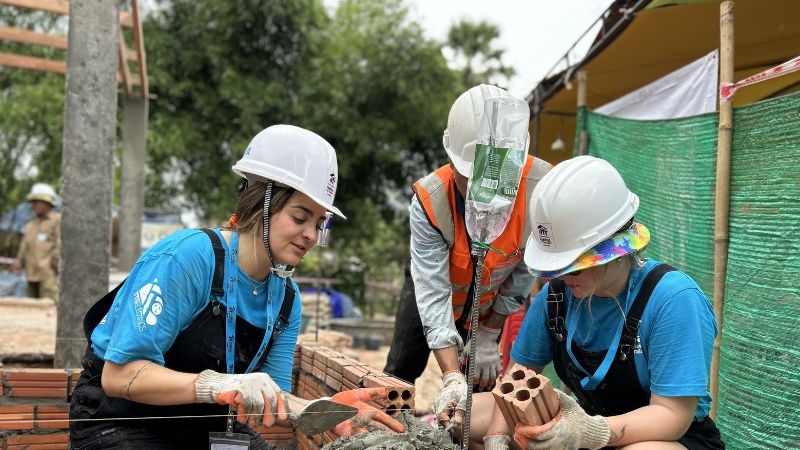
Charities rely heavily on volunteers who contribute time, skills, and local knowledge. Volunteers help deliver services and strengthen community trust. Local businesses, councils, and community organisations also support charities through funding and partnerships. These relationships help programs expand while remaining grounded. Charity South Australia promotes collaboration to improve reach and reduce duplication across services.
How can individuals support local charities?
People support charities in different ways. Financial donations matter, but time and skills matter too. Ways to contribute include:
- Volunteering with Wellbeing Groups
- Supporting local fundraising activities
- Sharing information about available services
Small contributions help charities remain accessible and responsive.
Helping children and young people succeed
Children and young people benefit most when support begins early. Many charities prioritise education, health, and social development. Programs often include:
- Early learning and school readiness support
- Speech, hearing, and sensory services
- Youth mentoring and outreach initiatives
Charities rely heavily on volunteers who contribute time, skills, and local knowledge. Volunteers help deliver services and strengthen community trust. Local businesses, councils, and community organisations also support charities through funding and partnerships. These relationships help programs expand while remaining grounded. Charity South Australia promotes collaboration to improve reach and reduce duplication across services.
Conclusion
Charities across South Australia focus on practical action rather than broad promises. They work closely with communities to improve daily life through targeted support. Charity South Australia connects organisations with shared goals, enabling stronger collaboration and impact. Through housing assistance, youth programs, health services, and Wellbeing Groups, charities support individuals at every stage of . Their work strengthens social connections and builds stability over time. This steady, local effort continues to shape a more resilient and supportive future for South Australian communities.