
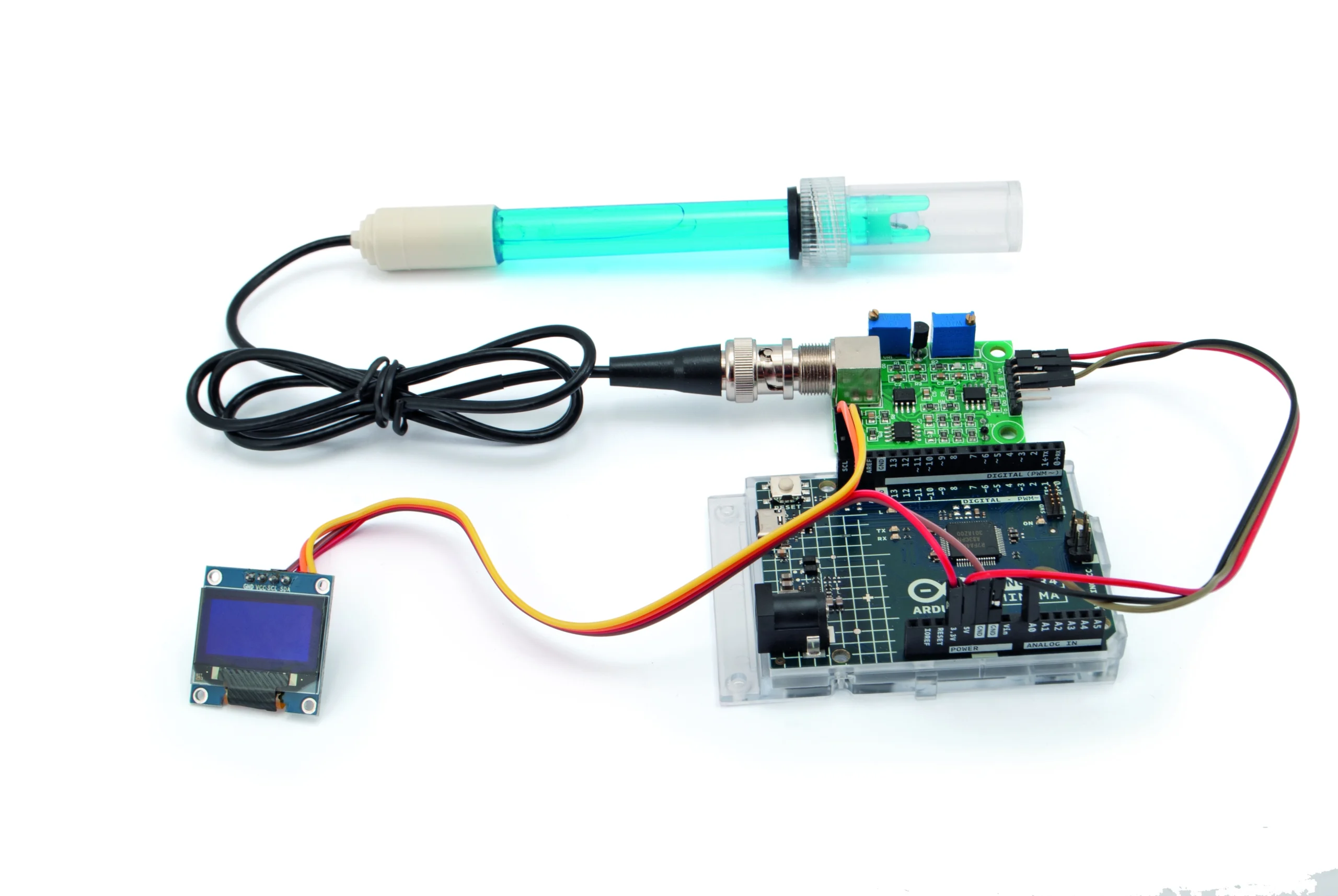

Accurate water analysis is critical for maintaining safe drinking water, supporting industrial processes, and protecting the environment. Various chemical and physical parameters must be carefully monitored, but pH stands out as one of the most crucial indicators of water quality. Precise measurement of pH allows operators to detect potential issues early, adjust treatment processes, and ensure compliance with regulatory standards. Traditional methods of manual testing can provide only a limited snapshot, making continuous monitoring an essential component of modern water management.
To achieve reliable results, many facilities rely on a water ph sensor, which provides continuous, real-time data on water’s acidity or alkalinity. By integrating these sensors into water analysis systems, operators can improve both the speed and accuracy of monitoring, ensuring water quality remains consistent and safe for all applications.
Understanding pH and Its Role in Water Quality
pH measures the concentration of hydrogen ions in water, with values ranging from 0 to 14. A value of 7 is considered neutral, below 7 is acidic, and above 7 is alkaline. The recommended pH range for drinking water generally falls between 6.5 and 8.5. Water that falls outside this range may be corrosive, reduce treatment efficiency, or affect taste and usability.
Regular monitoring of pH is essential for water systems, as even minor deviations can lead to infrastructure damage, reduced chemical effectiveness, and potential health hazards. Accurate measurement helps prevent these issues, and the continuous data provided by a pH sensor allows for rapid corrective action.
How Water pH Sensors Enhance Analytical Accuracy
Water pH sensors operate by detecting the activity of hydrogen ions in water and converting this chemical information into an electrical signal that represents the pH value. Modern sensors are highly sensitive, providing precise measurements even in challenging conditions. Unlike manual testing methods that may be subject to human error or sampling inconsistencies, sensors deliver continuous readings and ensure that data is both reliable and reproducible.
Incorporating a water ph sensor into analytical systems improves the precision of water quality assessments. Real-time data enables operators to identify trends, respond to fluctuations immediately, and maintain optimal water conditions. This level of accuracy is particularly important in industries such as pharmaceuticals, food and beverage, and municipal water treatment, where deviations from safe pH ranges can have serious consequences.
Supporting Public Health and Safety
Accurate pH measurement plays a direct role in protecting public health. Acidic water can corrode pipelines, leading to leaching of harmful metals such as lead or copper. Overly alkaline water can reduce the effectiveness of disinfectants, potentially allowing harmful microorganisms to persist. By using a water pH sensor, water systems can continuously monitor conditions and address any deviations before they become health risks.
Consistent monitoring not only safeguards consumers but also helps water providers comply with strict regulatory standards. Early detection of pH fluctuations reduces the risk of contamination, ensuring that water is safe for consumption at all times.
Enhancing Treatment Processes and Efficiency
Water treatment relies on precise chemical reactions that are often pH-dependent. Disinfectants, coagulants, and other treatment chemicals work best within specific pH ranges. If water is too acidic or too alkaline, these processes may fail to achieve the desired results, leading to inefficiencies and higher operational costs.
By providing accurate, continuous pH readings, a water pH sensor allows operators to fine-tune chemical dosing and optimize treatment processes. This reduces chemical waste, lowers operational expenses, and ensures that water treatment systems perform effectively and consistently.
Applications Beyond Drinking Water
While municipal water systems are a primary application, pH sensors are also valuable in industrial, agricultural, and environmental contexts. Industries such as food processing, beverage production, and chemical manufacturing rely on precise pH control to maintain product quality. Agricultural operations monitor irrigation water to prevent soil degradation, while aquaculture facilities use pH sensors to maintain a healthy environment for aquatic species.
In all these applications, accurate pH measurement is vital for operational efficiency, regulatory compliance, and environmental protection. Continuous monitoring provided by sensors ensures that water conditions remain stable and suitable for the intended use.
Improving Data Reliability and Regulatory Compliance
Regulatory agencies require accurate and regular documentation of water quality, including pH measurements. Water pH sensors support compliance by providing consistent, verifiable data that can be logged automatically. This reduces the risk of errors associated with manual recording and provides a reliable record for audits or inspections.
Beyond regulatory requirements, accurate pH monitoring builds confidence among consumers and stakeholders. Reliable data reassures communities that water systems are operating effectively and delivering safe water.
Conclusion
Precision in water analysis is essential for safety, efficiency, and regulatory compliance. A water pH sensor improves the accuracy of monitoring by providing continuous, reliable measurements, enabling rapid response to deviations and supporting optimal water treatment. From protecting public health to enhancing industrial processes, these sensors are a critical tool for maintaining high water quality standards and ensuring consistent, safe water for all applications.