
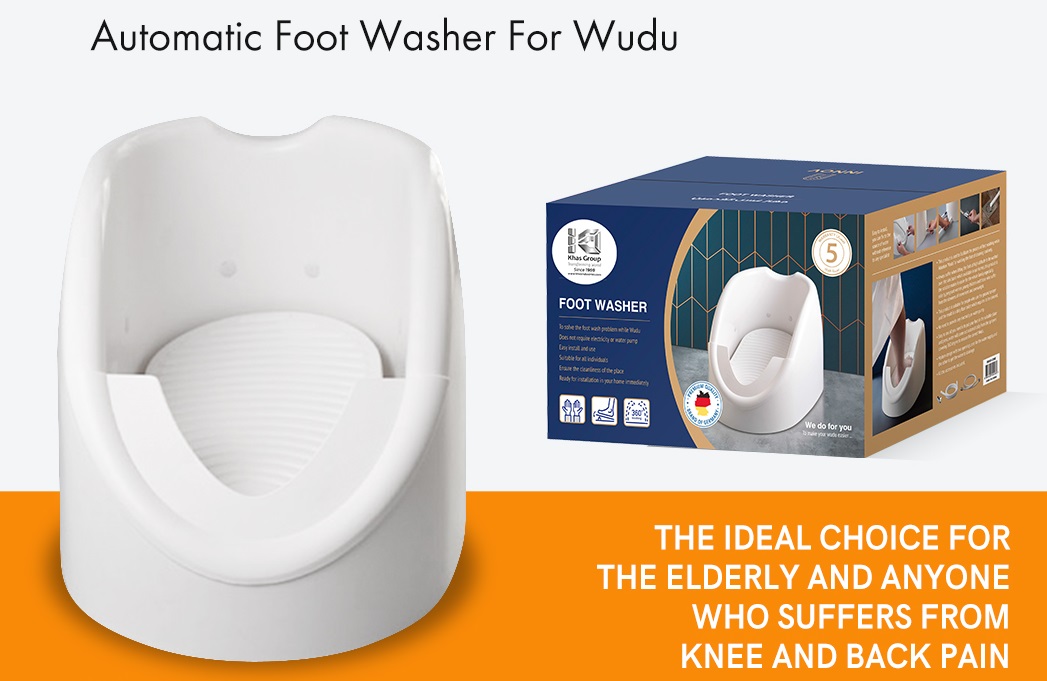

Efficient washroom traffic flow is essential in homes, mosques, and public facilities where multiple users need to perform wudu regularly. Overcrowding, long waiting times, and bottlenecks can make the process inconvenient and sometimes unsafe. Installing a dedicated Muslim foot washing sink addresses these issues by creating an organized and functional space specifically designed for ablution.
One notable example is the Muslim foot washing sink, which is engineered to accommodate multiple users and streamline movements during wudu. Its thoughtful design ensures that water is contained efficiently, hand and foot washing areas are separated, and users can complete their ablution without interfering with one another. This contributes to smoother traffic flow and reduces congestion in shared washroom spaces.
Dedicated Zones for Hand and Foot Washing
A primary factor that improves traffic flow is the clear separation of hand and foot washing areas. Traditional sinks often force users to share a single basin for all tasks, leading to overlap and delays. A Muslim foot washing sink provides designated zones, allowing multiple individuals to perform different steps of wudu simultaneously.
This division reduces waiting times and ensures that each user has enough space to complete their ablution comfortably. Clear separation also minimizes splashing, keeping floors dry and safe, which further supports uninterrupted movement in the washroom.
Optimized Layout for Multiple Users
Modern wudu sinks are designed with layouts that facilitate simultaneous use by several people. Features such as extended basins, multiple faucets, and ergonomic spacing between hand and foot areas ensure that users can wash efficiently without crowding. This is particularly important in mosques, community centers, or schools where peak usage occurs before prayer times or during breaks.
By allowing multiple users to perform wudu side by side, the sink reduces congestion and promotes a smoother, more organized workflow in high-traffic environments.
Compact and Space-Efficient Designs
Space constraints often contribute to poor traffic flow, especially in smaller washrooms. Many Muslim foot washing sinks feature compact or wall-mounted designs that make efficient use of available space. Corner installations or vertically stacked units help maintain a clear walkway while providing all necessary functions for ablution.
Efficient use of space prevents bottlenecks and allows for free movement between basins, making the washroom more comfortable and accessible for all users.
Reducing Cleaning Interruptions
Maintaining cleanliness during high-traffic periods is critical for uninterrupted wudu. A well-designed foot washing sink incorporates splash guards, non-slip surfaces, and efficient drainage systems that contain water within the basin. By reducing spills and puddles, the sink minimizes interruptions caused by wet floors or cleaning tasks.
This ensures that users can perform wudu safely and efficiently without waiting for staff or others to manage water-related issues, further enhancing traffic flow in busy washrooms.
Enhancing Safety and Comfort
Smooth traffic flow is not only about speed but also about safety and comfort. Non-slip surfaces, stable footrests, and ergonomically positioned faucets help users complete wudu without awkward movements that can slow down the process. Comfortable and safe features encourage proper usage and reduce the risk of accidents, contributing to a more fluid and stress-free experience for all.
This is especially important in facilities where the washroom serves diverse age groups, including children and elderly users.
Supporting Efficient Peak-Time Usage
During peak times, such as before Friday prayers or community events, a dedicated Muslim foot washing sink ensures that users can perform ablution efficiently without creating delays. Features that accommodate multiple users, combined with an organized layout, optimize the flow of people through the washroom.
This efficiency benefits both facility management and users, creating a welcoming and orderly environment where ablution can be performed promptly and comfortably.
Conclusion
A Muslim foot washing sink improves washroom traffic flow by combining thoughtful design, ergonomic features, and space-efficient layouts. By separating hand and foot washing areas, supporting multiple users simultaneously, and minimizing water spillage, these sinks create a safer, more comfortable, and efficient wudu experience. Whether in homes, mosques, or public facilities, a well-designed wudu sink reduces congestion, enhances safety, and streamlines the ablution process for everyone.