

Maintaining high hygiene standards is critical in the confectionery industry, particularly in gummy candy production. Contamination risks, improper handling, and unclean equipment can compromise product safety, shelf life, and consumer trust. A modern Gummy Candy Production Line is designed to minimize these risks through advanced machinery, automation, and strict sanitation protocols. Ensuring hygienic production not only protects consumers but also supports compliance with regulatory requirements and strengthens brand reputation.
Hygiene in gummy candy production begins with the design and layout of the production line. Traditional manual operations often carry higher contamination risks due to human contact, exposure to the environment, and inconsistent cleaning practices. Automated production lines reduce these risks by limiting direct human contact with ingredients and finished products. From mixing and cooking to molding, cooling, and packaging, each stage of the production process incorporates hygiene-focused equipment and procedures.
Hygienic Equipment Design
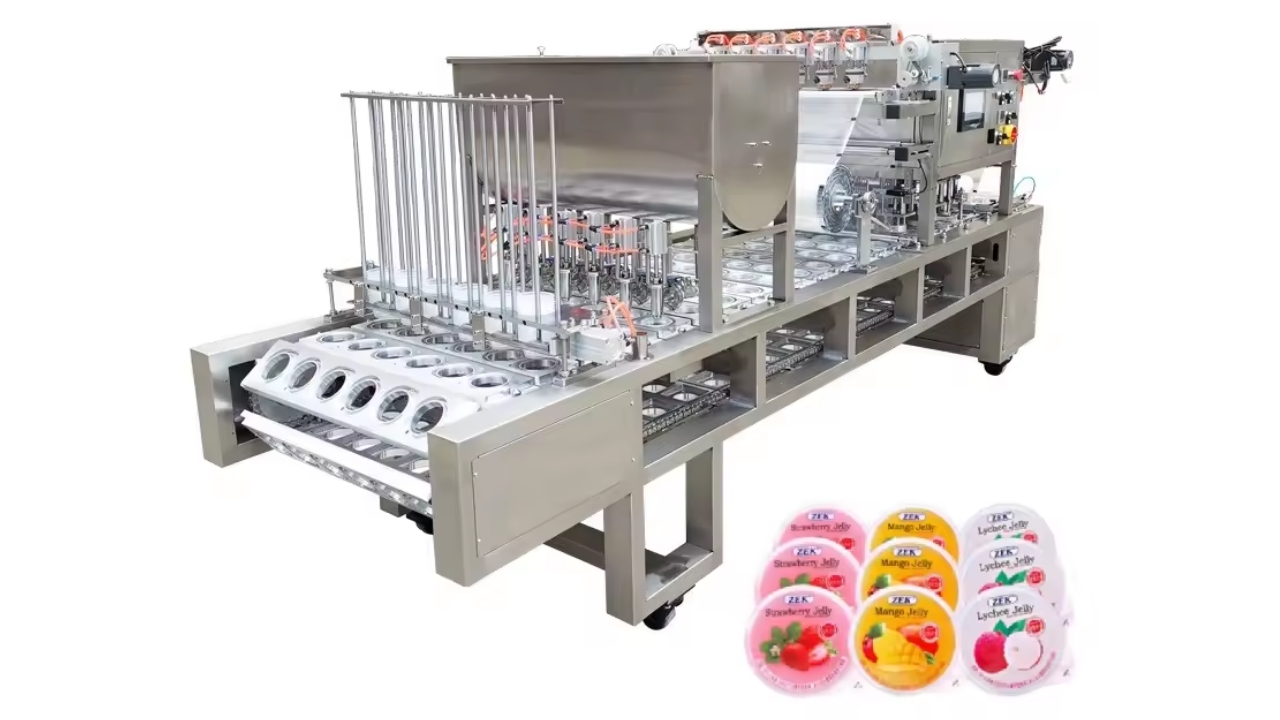
Modern gummy candy production lines are engineered with hygiene as a top priority. Key design features include stainless steel surfaces, smooth finishes, and minimal crevices where residue can accumulate. Stainless steel is corrosion-resistant, easy to clean, and compliant with food-grade standards, making it ideal for contact with sugar, gelatin, and other gummy ingredients.
Machines such as mixers, cookers, depositors, and coating systems are enclosed or semi-enclosed to prevent exposure to dust, pests, and airborne contaminants. Sealed components also reduce the risk of cross-contamination between batches, especially when producing multiple flavors or specialized functional gummies. Additionally, modular equipment design allows for easy disassembly, facilitating thorough cleaning and inspection.
Automated Cleaning and Sanitation
Cleaning-in-place (CIP) and automated sanitation systems are widely adopted in gummy candy production lines to maintain hygiene. These systems clean tanks, pipes, and conveyors without requiring complete disassembly, reducing downtime while ensuring consistent sanitation.
CIP systems use water, detergents, and sanitizing agents in controlled cycles, flushing away residue and preventing bacterial growth. Automated cleaning ensures that every part of the equipment receives proper attention, which is often challenging to achieve with manual cleaning methods. Incorporating these systems into a production line minimizes human error and maintains hygiene standards consistently.
Controlled Environmental Conditions
Environmental control is another crucial factor in maintaining hygiene. Humidity, temperature, and air quality can significantly impact both product safety and quality. High humidity can lead to sticky surfaces and microbial growth, while improper ventilation can increase dust and particulate contamination.
Modern gummy candy production facilities integrate climate control systems to regulate temperature and humidity within optimal ranges. HEPA filters and positive pressure airflow systems reduce airborne contaminants, while cleanroom practices prevent cross-contamination between production zones. These measures ensure that both the equipment and the candies remain in a hygienic environment throughout production.
Ingredient Handling and Storage
Hygiene in gummy production also depends on proper ingredient handling and storage. Raw materials, including sugar, glucose syrup, gelatin, flavors, and colorants, must meet food-grade quality standards. Automated feeding systems reduce human contact with ingredients, preventing contamination during transport to mixing tanks.
Temperature-controlled storage areas for perishable ingredients, along with proper rotation using the first-in, first-out (FIFO) method, help maintain freshness and prevent spoilage. Ingredient storage areas are cleaned regularly and separated from processing zones to maintain strict hygiene standards.
Hygiene in Cooling, Molding, and Packaging
Cooling, molding, and packaging are critical stages where hygiene can be compromised if not properly managed. Cooling tunnels and conveyors are enclosed and made from food-grade materials to prevent contamination. Sensors monitor airflow and temperature to maintain optimal conditions for candy setting.
Molds and depositors are cleaned frequently, and automated systems minimize human handling. Packaging is conducted in controlled environments using automated filling, sealing, and wrapping machines. These systems ensure that candies do not come into contact with operators, air particles, or other external contaminants during final preparation.
Training and Standard Operating Procedures
Even with advanced equipment, hygiene depends on the workforce. Operators are trained in hygiene practices, equipment handling, and contamination prevention. Standard Operating Procedures (SOPs) outline cleaning schedules, inspection routines, and proper handling techniques.
Regular audits and monitoring ensure that hygiene standards are consistently maintained. Employees are also trained to recognize potential hygiene risks, report equipment malfunctions, and follow food safety protocols, reinforcing the production line’s overall cleanliness and safety.
Conclusion
Maintaining hygiene in a gummy candy production line requires a combination of equipment design, automated cleaning, controlled environments, and trained personnel. Stainless steel machinery, CIP systems, enclosed processing areas, and precise ingredient handling all contribute to minimizing contamination risks.
A modern Gummy Candy Production Line ensures that hygiene is embedded into every stage of production, from mixing and cooking to molding, cooling, finishing, and packaging. By prioritizing hygiene, manufacturers not only comply with regulatory standards but also produce safe, high-quality gummies that meet consumer expectations and uphold brand reputation.