
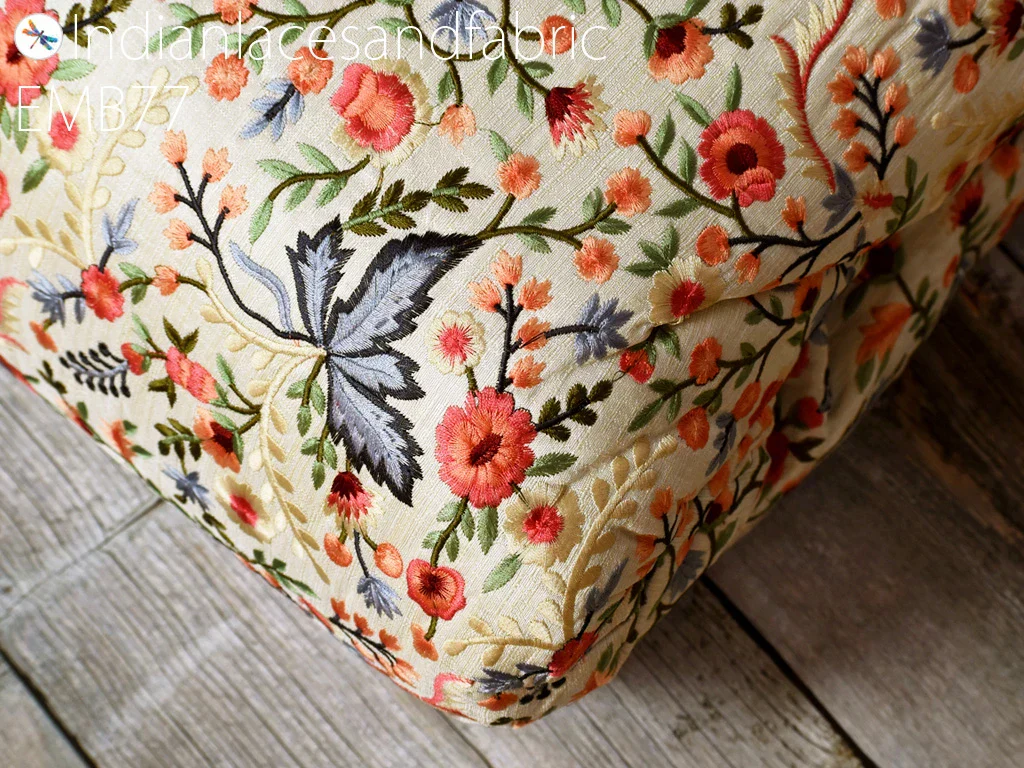

Embroidery has long been an integral part of textile arts, combining creativity and craftsmanship to transform simple fabrics into visually striking pieces. Among the various fabrics used for embroidery, Embroidery Cotton Cloth stands out as a preferred choice for both beginners and seasoned artisans. Its unique texture, durability, and ease of use make it ideal for a wide range of projects, from clothing to home décor items.
One of the primary advantages of Embroidery Cotton Cloth is its natural fiber composition. Cotton is breathable, soft, and comfortable, making it suitable for garments that come into direct contact with the skin. Moreover, it offers a stable weave, which is essential for detailed embroidery work. This stability allows for precise stitching and ensures that designs maintain their shape over time. Many designers favor this fabric because it holds thread well without puckering, which is a common challenge when working with delicate or synthetic materials.
Versatility in Textile Projects
Embroidery cotton cloth is incredibly versatile. It can be used for creating decorative items such as cushion covers, table runners, and wall hangings. Its adaptability also extends to fashion, where it is used to enhance shirts, dresses, and accessories with intricate embroidery patterns. The fabric’s smooth surface provides an excellent backdrop for various embroidery techniques, including cross-stitch, satin stitch, and chain stitch.
For those involved in DIY projects or small-scale craft businesses, this type of cotton cloth is a cost-effective and reliable choice. Its availability in multiple weights, textures, and colors allows artisans to experiment with different designs without compromising quality. Whether working on minimalistic patterns or complex motifs, embroidery cotton cloth accommodates creativity while maintaining durability.
Easy to Work With
Another reason embroidery cotton cloth is widely used is its user-friendly nature. The fabric is easy to cut, sew, and wash, making it convenient for both hand embroidery and machine embroidery projects. Its forgiving nature helps reduce errors during stitching, which is especially beneficial for beginners who are still mastering their techniques. The fabric also holds dyes well, ensuring that vibrant colors in embroidery threads remain vivid after multiple washes.
Enhancing Aesthetic Appeal
In addition to practical advantages, embroidery cotton cloth contributes significantly to the aesthetic appeal of textile products. The smooth, matte finish of cotton enhances the visual impact of embroidered designs, allowing patterns to stand out clearly. This feature is particularly valuable for intricate designs that require high precision. Additionally, the natural texture of cotton adds a subtle warmth and elegance to finished pieces, making them suitable for both modern and traditional designs.
Maintaining and Caring for Embroidery Cotton Cloth
Proper care is essential to preserve the beauty and longevity of embroidered projects. Embroidery cotton cloth is generally easy to maintain, as it can be machine washed or hand washed depending on the delicacy of the embroidery. Using mild detergents and avoiding harsh chemicals ensures that both the fabric and the embroidery threads remain intact. Ironing on a low setting can help maintain smoothness and crispness in finished pieces, keeping the embroidered patterns looking fresh and professional.
Conclusion
Embroidery Cotton Cloth is a versatile, durable, and aesthetically appealing fabric that offers numerous benefits for textile projects. Its stability, ease of use, and natural softness make it ideal for both decorative and functional embroidery applications. By choosing this fabric, artisans and designers can create intricate, long-lasting designs that enhance the beauty of their projects. Whether you are a beginner or an experienced craftsperson, incorporating embroidery cotton cloth into your work opens up endless possibilities for creativity and design innovation.