
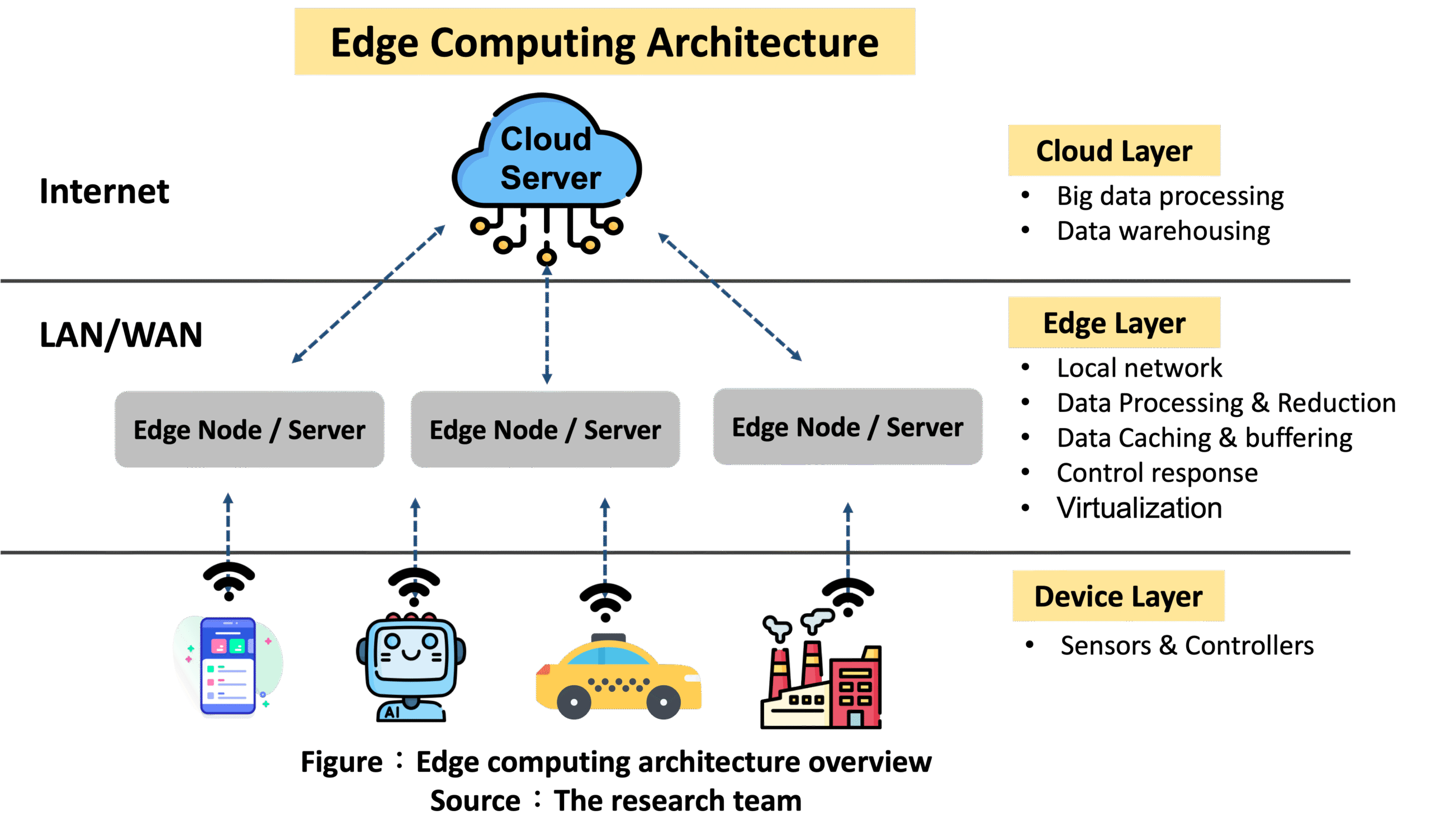

Technology keeps evolving at a rapid pace. Users now expect instant response from apps and devices. This demand has pushed developers to rethink how data gets processed. Edge computing is one of the most important solutions in this shift. It reduces delay and improves performance by handling data closer to the source. This approach is now shaping how modern systems are built and used across industries.
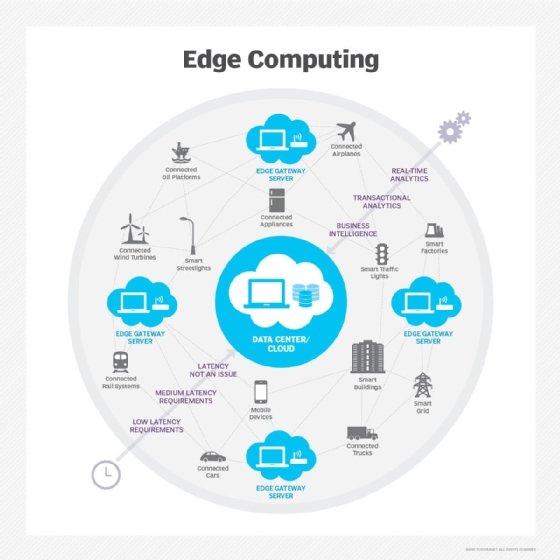
What is Edge Computing
Edge computing is a method where data is processed near the device that creates it. Instead of sending everything to a far cloud server, tasks are handled locally through smart devices or nearby systems. This reduces the time needed for data travel and improves overall speed.
In simple terms, edge computing brings computing power closer to the user. A smart camera for example can detect motion instantly without waiting for cloud processing. This makes systems more reliable and efficient in situations where quick response is required.
Why It Matters Today
Modern applications depend on speed and stability. Users expect smooth performance without delays. Edge computing helps meet these expectations by reducing reliance on distant servers and improving response time.
It also supports environments where internet connectivity is weak or unstable. Systems can continue working without interruption because data is processed locally. This is especially useful in remote areas and critical industries where downtime is not acceptable.
Real World Applications
Edge computing is already being used in many areas of daily life. In smart homes, devices like sensors and cameras respond instantly to changes. This improves security and user control without delay.
In healthcare, edge systems monitor patient data in real time. Doctors can receive updates instantly which helps in quick decision making. This can be life saving in emergency situations.
Retail businesses also benefit from edge computing. Smart checkout systems reduce waiting time and improve customer experience. In industrial settings, machines use local processing to make quick decisions. This increases efficiency and reduces system failures.
Benefits for Businesses
Edge computing offers strong advantages for companies looking to improve performance and reduce costs. Faster data processing allows businesses to deliver better services and keep users satisfied. It also reduces the amount of data sent to central servers, which lowers bandwidth usage.
Another major benefit is improved data control. Sensitive information can stay closer to its source, which enhances privacy. Businesses can also maintain operations during network issues since systems do not fully depend on cloud access.
Learn More About Tech Trends
For readers who want to explore more about digital tools and modern solutions, you can check it out. It provides helpful content about current trends and useful guides that can improve your understanding of technology.
Edge computing is closely connected with other emerging technologies that rely on fast and efficient data processing. The growth of the Internet of Things (IoT) has increased the number of connected devices, making it essential to process data quickly at the source. Similarly, artificial intelligence is becoming more effective when combined with edge systems, as it allows devices to analyze and respond to data instantly. Technologies like 5G networks also support edge computing by providing faster and more stable connections, which enhances real-time communication between devices and systems.
Edge computing is expected
Another related area is cloud computing, which works alongside edge computing rather than replacing it. While edge handles immediate data processing, the cloud is still used for storage, deeper analysis, and long-term data management. Cybersecurity is also an important related topic, as processing data locally requires strong protection measures to keep information safe. Together, these technologies create a balanced ecosystem that improves performance, strengthens reliability, and supports the growing demand for smarter digital solutions.
Edge computing plays a vital role in the development of smart infrastructure such as smart cities and intelligent transportation systems. By processing data locally, traffic lights, surveillance systems, and public utilities can respond instantly to changing conditions. This leads to better traffic flow, improved safety, and efficient energy usage. For example, smart grids use edge technology to monitor electricity demand in real time and adjust supply accordingly, reducing waste and preventing outages.
Enhancing User Experience and Performance
Another important aspect of edge computing is its ability to improve user experience across digital platforms. Applications such as online gaming, video streaming, and augmented reality benefit from reduced latency and faster response times. Users experience smoother interactions without lag or interruptions. This is especially important for services that require real-time feedback, where even small delays can impact performance. By minimizing the distance data needs to travel, edge computing ensures consistent and high-quality experiences for users.
Role in Industrial Automation
Edge computing is becoming essential in modern industrial automation systems. Factories and production units use smart machines that rely on real-time data to operate efficiently. With edge computing, these machines can analyze data instantly and make quick adjustments without waiting for cloud instructions. This improves productivity, reduces downtime, and helps detect issues before they become major problems. It also supports predictive maintenance, where systems can identify potential failures early and prevent costly disruptions.
Support for Autonomous Systems
Autonomous technologies such as self-driving vehicles and drones depend heavily on edge computing. These systems need to process large amounts of data instantly to make safe and accurate decisions. By handling data locally, edge computing reduces delays and ensures immediate responses to changing environments. This is critical for navigation, obstacle detection, and real-time control. As autonomous systems continue to evolve, edge computing will remain a key factor in making them more reliable and efficient.
Future Outlook
Edge computing is expected to grow as more devices connect to the internet. Smart cities will rely on it to manage traffic systems and public services. Autonomous machines will become more advanced as they depend on instant data processing.
Mobile applications will also improve with faster response times. Users will notice smoother performance and fewer delays. As artificial intelligence continues to evolve, more processing will happen directly on devices which will further increase efficiency.
Final Thoughts
Edge computing is changing the way technology operates in the modern world. It focuses on speed, efficiency, and reliability by bringing data processing closer to users. This approach helps reduce delays and improves overall system performance. It also supports industries that depend on real time decisions and stable operations. As more devices become connected, the need for faster processing will continue to grow. Edge computing is set to play a key role in shaping the future of digital experiences and smart systems.