
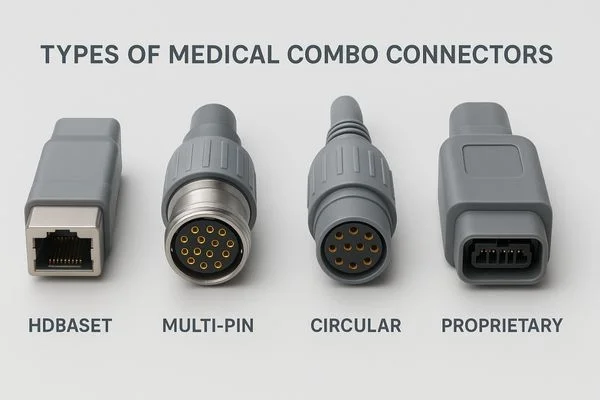

Electrical connectors are essential components in electronic systems, ensuring reliable transmission of power and signals. While standard electrical connectors are widely used in industrial and consumer applications, medical environments require specialized connectors designed to meet strict safety, reliability, and performance standards. Understanding the differences between standard and medical electrical connectors is crucial for manufacturers, engineers, and healthcare professionals who depend on consistent device performance in critical settings.
Standard connectors are generally designed for general-purpose applications and may not account for the unique challenges of medical environments, such as frequent sterilization, exposure to bodily fluids, and patient safety requirements. In contrast, medical electrical connectors are engineered specifically for medical devices, providing reliable connections while adhering to regulatory standards. These connectors are used in patient monitoring systems, imaging equipment, infusion pumps, surgical instruments, and many other medical devices. Choosing the wrong type of connector can compromise device performance, increase maintenance costs, or even pose safety risks to patients and healthcare professionals.
Key Differences in Design and Materials
One of the primary differences between standard and medical connectors lies in their design and construction. Standard connectors are often made from general-purpose plastics or metals without specialized coatings or resistance to harsh environments. While they perform adequately in consumer electronics or industrial machinery, they may not withstand frequent cleaning, sterilization, or exposure to chemicals used in healthcare settings.
Medical electrical connectors, on the other hand, use high-grade, biocompatible materials and corrosion-resistant metals. Gold-plated contacts, stainless steel housings, and high-performance polymers ensure durability, resistance to wear, and chemical stability. These features allow medical connectors to maintain reliable performance even after repeated exposure to disinfectants, sterilization processes, and environmental stress, making them suitable for patient-contact devices and critical medical equipment.
Electrical Performance and Reliability
Electrical performance requirements differ significantly between standard and medical connectors. Standard connectors are designed for typical current and voltage ranges with moderate reliability, often sufficient for consumer electronics or industrial devices. They may not provide the precision required for sensitive medical applications, such as imaging devices, electrocardiograms (ECGs), or infusion pumps, where signal integrity and consistent contact resistance are essential.
Medical connectors are engineered to ensure stable electrical connections with minimal signal loss and reduced susceptibility to electromagnetic interference (EMI). Many incorporate shielding, multi-contact configurations, and precise mating designs to maintain signal integrity. High-quality medical connectors are rigorously tested to ensure they meet strict performance standards and maintain reliable operation throughout their lifespan, which is critical for accurate diagnostics and safe patient care.
Regulatory Compliance and Safety Standards
Another major distinction is regulatory compliance. Standard connectors typically follow general electrical and safety standards, such as UL or IEC for industrial and consumer applications. While these standards ensure basic safety, they do not address the specialized requirements of medical devices, such as patient safety, biocompatibility, or resistance to sterilization processes.
Medical electrical connectors must meet stringent regulatory standards, including ISO 13485 for medical device quality management and IEC 60601 for electrical safety in medical equipment. Compliance ensures that connectors provide safe and reliable connections, prevent accidental disconnection, and reduce the risk of electrical hazards. Safety features such as insulated contacts, secure locking mechanisms, and tactile feedback are often included to protect both patients and medical personnel during device operation.
Environmental and Sterilization Considerations
Medical devices are frequently exposed to harsh environmental conditions that standard connectors are not designed to handle. These include high humidity, temperature fluctuations, exposure to cleaning agents, and repeated sterilization cycles. Standard connectors may degrade under such conditions, leading to corrosion, signal loss, or mechanical failure.
Medical connectors are specifically designed to resist these environmental challenges. Materials are chosen for chemical and thermal stability, and connectors often include seals or protective housings to prevent fluid ingress. This ensures consistent performance in surgical suites, laboratories, and critical care units, where reliability is paramount.
Applications and Use Cases
Standard connectors are commonly found in consumer electronics, industrial machinery, automotive systems, and other general-purpose applications. While they are cost-effective and suitable for non-critical systems, they lack the durability, safety features, and regulatory compliance required in medical environments.
Medical electrical connectors are used in applications where reliability, safety, and hygiene are critical. These include diagnostic machines, imaging systems, patient monitors, wearable medical devices, surgical tools, and telemedicine equipment. Their design ensures uninterrupted operation, accurate data transmission, and safe interaction with patients and medical staff.
Conclusion
The differences between standard and medical electrical connectors are significant and stem from the unique demands of medical environments. Medical connectors are designed with advanced materials, precise electrical performance, regulatory compliance, and environmental resistance, ensuring safe and reliable operation in critical healthcare applications. Standard connectors, while suitable for general-purpose uses, cannot meet the stringent requirements of medical devices. Selecting the appropriate connector type is essential for device safety, performance, and longevity, ultimately supporting better patient care and reliable medical technology.