
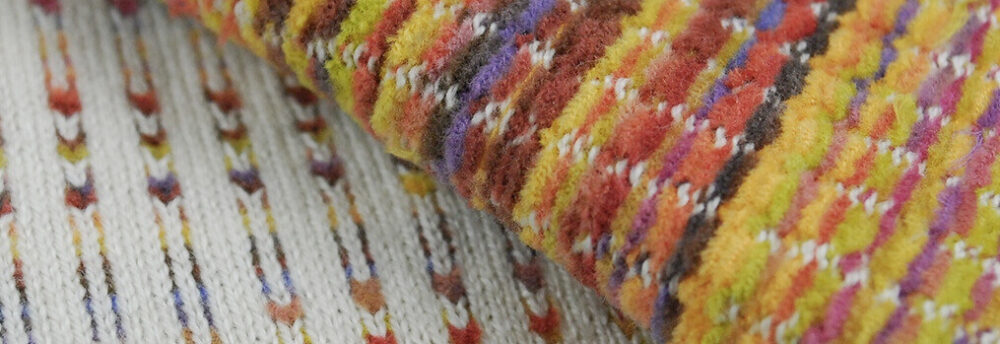

Cotton chenille fabric is admired for its exceptional softness, natural feel, and inviting appearance. Combining the plush texture of chenille with the breathability of cotton, this fabric has become a preferred choice for people seeking comfort without sacrificing style. From home furnishings to apparel, cotton chenille offers a balance of warmth, elegance, and everyday practicality. Understanding how this fabric is made and where it performs best can help you choose it more confidently for different applications.
The word “chenille” comes from the French term for caterpillar, reflecting the fuzzy, raised surface created by short yarn ends. When this structure is produced using cotton fibers, the result is a fabric that feels soft yet breathable against the skin. The construction process involves twisting cotton pile yarns between core threads, giving the surface its characteristic velvety look. To explore professional textile background and manufacturing insight related to Cotton Chenille Fabric, you can refer to this resource: Cotton Chenille Fabric, which provides context on fabric expertise and production knowledge.
Texture and Comfort of Cotton Chenille Fabric
One of the most appealing qualities of cotton chenille fabric is its luxurious texture. The raised pile creates a plush surface that feels gentle and comforting, making it especially suitable for products that come into direct contact with the skin. Unlike synthetic chenille, cotton-based chenille tends to feel cooler and more breathable, which enhances comfort in a variety of climates.
The fabric’s texture also contributes to its visual depth. As light hits the pile from different angles, the surface appears rich and slightly luminous. This makes cotton chenille a popular option for decorative items where both touch and appearance matter. Despite its softness, well-made cotton chenille maintains enough structure to hold its shape in many applications.
Benefits of Choosing Cotton Chenille Fabric
Cotton chenille fabric offers several notable benefits that set it apart from other plush textiles. One of the primary advantages is breathability. Cotton fibers allow air to circulate more freely, reducing heat buildup and making the fabric more comfortable for extended use. This is particularly beneficial for clothing, blankets, and upholstery used year-round.
Another benefit is its natural composition. Cotton chenille is often preferred by those who favor natural fibers over synthetic alternatives. It is generally softer against sensitive skin and can be easier to tolerate for individuals with fabric sensitivities. Additionally, cotton chenille absorbs dyes well, resulting in rich, lasting colors that enhance its decorative appeal.
Durability and Performance Considerations
While cotton chenille fabric is prized for comfort, its durability depends on quality and usage. The pile construction that gives chenille its softness can be more susceptible to flattening or wear in high-friction areas. For example, upholstery made from cotton chenille may show signs of use faster than tightly woven flat fabrics if placed in heavily used spaces.
However, durability can be improved through thoughtful design and maintenance. High-quality cotton chenille uses tightly twisted yarns and strong backing fabrics to support the pile. When used in appropriate settings, such as accent furniture or moderate-use seating, cotton chenille can maintain its appearance and comfort for a long time.
Common Uses in Home Furnishings
Cotton chenille fabric is widely used in home décor because of its cozy and welcoming feel. Upholstered furniture like sofas, armchairs, and ottomans often feature cotton chenille to create warm, comfortable living spaces. It is especially popular for cushions, throws, and blankets, where softness is a top priority.
In bedrooms, cotton chenille bedspreads and coverlets provide warmth without excessive weight. Curtains and decorative pillows made from cotton chenille add texture and visual interest, enhancing the overall ambiance of a room. These uses highlight the fabric’s ability to combine comfort with refined style.
Applications in Clothing and Accessories
Beyond home décor, cotton chenille fabric is commonly used in apparel and accessories. Sweaters, cardigans, robes, and loungewear benefit from its soft, insulating properties. The breathability of cotton helps regulate body temperature, making chenille garments comfortable for casual, everyday wear.
Accessories such as scarves, socks, and baby blankets also frequently use cotton chenille due to its gentle feel. In many cases, cotton chenille is blended with small amounts of other fibers to improve strength and shape retention while preserving its natural softness.
Care and Maintenance Tips
Proper care is essential to preserving the beauty of cotton chenille fabric. Regular light vacuuming helps keep upholstery free from dust and prevents the pile from becoming matted. Cushions should be rotated periodically to ensure even wear.
For washable items, gentle washing in cold or lukewarm water is usually recommended. Harsh agitation and high heat should be avoided, as they can damage the pile and cause shrinkage. Air drying or laying items flat to dry helps maintain the fabric’s texture and shape.
Conclusion
Cotton chenille fabric stands out as a versatile textile that offers softness, breathability, and visual richness. Its natural comfort and wide range of applications make it a popular choice for both home furnishings and apparel. By understanding its benefits, limitations, and care requirements, you can enjoy the comfort and elegance of cotton chenille fabric in everyday life.