
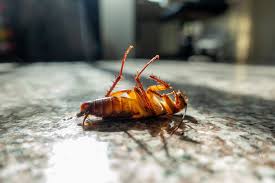

Cockroaches are among the most resilient and unwelcome pests found in homes, offices, and commercial establishments. Their presence is more than just unpleasant—they pose serious health risks due to their ability to spread bacteria, allergens, and pathogens. Managing a cockroach infestation requires a well-thought-out strategy combining prevention, monitoring, and targeted treatment.
Professional cockroach pest control services are essential for effectively addressing infestations. These services focus on immediate elimination of pests while implementing preventive measures to avoid future problems, ensuring a safe and hygienic environment.
Understanding the Threat of Cockroaches
Cockroaches are highly adaptable and can survive in a variety of environments, from residential kitchens to industrial facilities. They carry bacteria like Salmonella, E. coli, and Staphylococcus, which can contaminate food and surfaces, increasing the risk of foodborne illnesses. In addition, cockroach allergens are a leading cause of asthma attacks and allergic reactions, particularly in children and sensitive individuals.
Beyond health concerns, cockroaches can damage property. They leave droppings, shed skins, and produce a musty odor that is difficult to eliminate. Their rapid reproductive cycle makes infestations challenging to control without professional intervention. Recognizing these risks highlights the importance of proactive cockroach pest control measures.
Common Habitats of Cockroaches
Cockroaches prefer warm, dark, and moist areas. In homes and businesses, common habitats include:
- Kitchens, especially near sinks, stoves, and cabinets
- Bathrooms, around drains, pipes, and plumbing fixtures
- Storage areas with cardboard boxes or clutter
- Appliances like refrigerators, ovens, and microwaves
Identifying these hiding spots is critical to designing an effective control plan.
Preventive Measures to Reduce Infestations
Preventing cockroach infestations is the first step in long-term pest management. Some essential measures include:
- Maintain Cleanliness: Regularly clean floors, countertops, and appliances to remove food residues and spills that attract pests.
- Proper Food Storage: Keep food in sealed containers and avoid leaving perishable items exposed.
- Effective Waste Management: Dispose of garbage frequently and use sealed trash bins to minimize attractants.
- Seal Entry Points: Close gaps around doors, windows, pipes, and electrical conduits to prevent cockroach entry.
- Moisture Control: Repair leaks, ventilate damp areas, and keep sinks and drains dry to remove breeding grounds.
Integrated Cockroach Pest Control Strategies
An Integrated Pest Management (IPM) approach combines multiple methods for more effective and sustainable cockroach control:
- Monitoring and Inspection: Regular inspections help detect early signs of infestation and identify problem areas.
- Physical Controls: Traps, barriers, and exclusion techniques reduce cockroach activity and limit access to key areas.
- Chemical Treatments: Safe, targeted insecticides are applied strategically to eliminate existing populations while minimizing exposure risks.
- Environmental Modifications: Reducing clutter, improving sanitation, and addressing moisture problems create unfavorable conditions for cockroaches.
This comprehensive approach addresses both current infestations and long-term prevention.
Signs of a Cockroach Infestation
Early detection is critical to prevent severe infestations. Common signs include:
- Droppings resembling black pepper or coffee grounds
- Shed skins and egg cases (ootheca) in hidden areas
- Musty or unpleasant odors
- Sightings of live cockroaches, particularly at night
Prompt action upon noticing these signs helps contain infestations before they spread further.
The Role of Professional Cockroach Pest Control
Cockroach infestations can be difficult to manage with DIY methods due to the pests’ resilience and rapid reproduction. Professional pest control services provide expertise in identifying species, assessing infestation severity, and implementing tailored treatment plans. Additionally, they offer guidance on preventive measures, helping to reduce the risk of future infestations and ensure long-term results.
Maintaining a Cockroach-Free Environment
After treatment, ongoing preventive measures are essential to maintain a cockroach-free space:
- Regular cleaning and sanitation
- Proper storage of food and supplies
- Frequent inspection of potential entry points
- Immediate action on moisture issues and leaks
Combining these practices with professional services ensures sustained protection and peace of mind.
Conclusion
Cockroaches are a serious threat to health, hygiene, and property. Effective cockroach pest control involves a combination of prevention, monitoring, and professional intervention. By understanding their behavior, maintaining cleanliness, sealing entry points, and using integrated pest management strategies, it is possible to eliminate infestations and prevent their recurrence.
A proactive approach to cockroach control not only safeguards health but also protects property and enhances overall quality of life. Prioritizing pest control ensures a safe, clean, and comfortable environment for families, employees, and customers alike.