
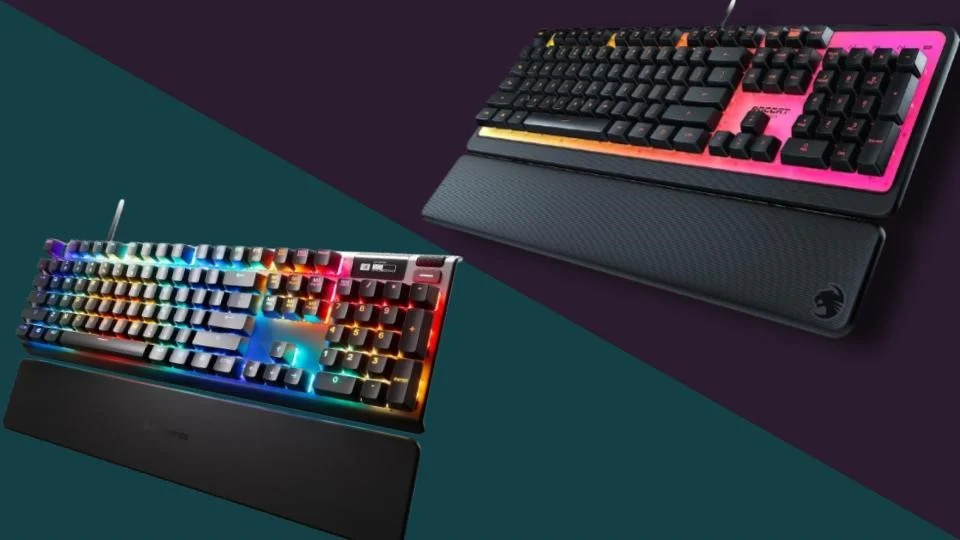

When building a gaming setup on a tight budget, one of the most common questions is whether a membrane keyboard can meet the demands of gaming. Mechanical keyboards have long been the preferred choice among gamers due to their tactile feedback and durability, but they often come with a higher price tag. Membrane keyboards, on the other hand, are more affordable and widely available, making them an attractive option for casual gamers and those just getting started. Understanding the strengths and limitations of membrane keyboards can help you decide whether they are a viable choice for your gaming needs without overspending.
What Is a Membrane Keyboard?
At its core, a membrane keyboard uses a flexible membrane layer under the keycaps to register key presses. When a key is pressed, the membrane pushes down to make contact with a circuit, completing the signal and sending the input to your computer. This design is different from mechanical keyboards, which use individual switches for each key. Membrane keyboards are generally quieter, lighter, and simpler in construction, which contributes to their lower cost. They are ubiquitous in office environments and basic laptop keyboards, but their role in gaming deserves a closer look, especially for those seeking an affordable solution. If you want to explore specific model recommendations and comparisons, research the best membrane keyboard for gaming to see which budget membrane options offer reliable performance in real-world use.
Advantages of Membrane Keyboards for Budget Gaming
Affordability is the most obvious advantage of membrane keyboards. They are significantly cheaper to produce than mechanical keyboards, and these savings are passed on to consumers. For gamers on a limited budget, this makes membrane keyboards an attractive entry point into PC gaming peripherals. In addition to being affordable, membrane keyboards are often quieter than mechanical keyboards, which can be appreciated in shared spaces where key noise might disturb others.
Another advantage is simplicity. Membrane keyboards typically require no additional software or configuration; plug them in and they work. This makes them particularly appealing for gamers who prefer a straightforward, no-frills experience. They are also generally lighter and more portable, which can be useful if you plan to attend LAN events or move your gear frequently.
Limitations in Performance
Despite their affordability, membrane keyboards have several limitations that can affect gaming performance. One of the key differences between membrane and mechanical keyboards is responsiveness. Mechanical switches provide individual actuation points for each key, often resulting in quicker and more precise input recognition. Membrane keyboards may exhibit slight delays or less consistent key registration, which can be noticeable in fast-paced games where every millisecond matters.
Another performance limitation is related to key rollover and anti-ghosting. Higher-end mechanical keyboards often support N-key rollover, allowing multiple simultaneous key presses to be accurately registered. Many membrane keyboards are limited in this area, which might lead to missed inputs during complex key combinations. While this may not be an issue in single-player or slower-paced games, competitive gamers and those who play action-heavy titles may feel constrained by these limitations.
Durability and Lifespan Considerations
Mechanical keyboards are known for their long lifespan, with many switches rated for millions of actuations. Membrane keyboards, however, typically have a shorter lifespan due to the wear they experience on the rubber membrane. Over time, keys may feel mushy or unresponsive, especially with heavy use. This does not mean that membrane keyboards are inherently low quality, but they are generally less durable than mechanical counterparts.
For budget-conscious gamers, this trade-off may be acceptable if the keyboard lasts long enough to meet your current gaming needs. If you frequently replace peripherals or upgrade your equipment often, a membrane keyboard’s shorter lifespan might not be a significant drawback.
Comfort and Typing Experience
Typing comfort is another important consideration for gamers, especially those who also use their keyboard for writing or productivity tasks. Membrane keyboards are typically softer to the touch and may feel less precise than mechanical keyboards. Some users prefer this cushioned feel, while others may find it less satisfying or responsive.
Ergonomics also vary widely among membrane keyboards. Basic models may lack wrist support or adjustable tilt options, which can affect comfort during long gaming sessions. However, some budget membrane keyboards include ergonomic designs and features like adjustable feet, making them more comfortable than expected for extended use.
Feature Differences Between Membrane and Mechanical
Advanced mechanical keyboards often offer customizable RGB lighting, dedicated macro keys, removable cables, and software support for key remapping. While some membrane keyboards include lighting, it is usually limited in customization, and additional features are less common. For gamers who enjoy personalization and optimization, these missing features might make membrane keyboards feel less appealing.
That said, if your primary goal is to find a budget-friendly keyboard that simply works for gaming and everyday tasks, the absence of advanced features may not be a deal-breaker. In fact, the streamlined experience can be refreshing for users who prefer straightforward functionality without software dependencies.
Who Should Choose a Membrane Keyboard?
Membrane keyboards are a solid choice for casual gamers, beginners, or anyone prioritizing affordability over high-end performance. They provide adequate performance for many game genres and are a reasonable starting point if you are new to PC gaming peripherals. They can also be suitable for gamers who play less demanding or slower-paced games, where ultra-fast responsiveness is not essential.
Conversely, competitive gamers or users seeking the highest level of performance and customization may find membrane keyboards limiting, especially in terms of responsiveness, key rollover, and long-term durability.
Final Verdict
Are membrane keyboards good for gaming on a budget? The answer ultimately depends on your expectations and priorities. If cost-effectiveness, quiet operation, and simplicity are your main criteria, membrane keyboards can deliver satisfactory performance. However, if you seek faster response times, advanced customization, and greater durability, investing in a mechanical keyboard may be worth the extra expense in the long run. By understanding the strengths and limitations of membrane keyboards, you can make a more informed choice that aligns with both your gaming needs and your budget.