
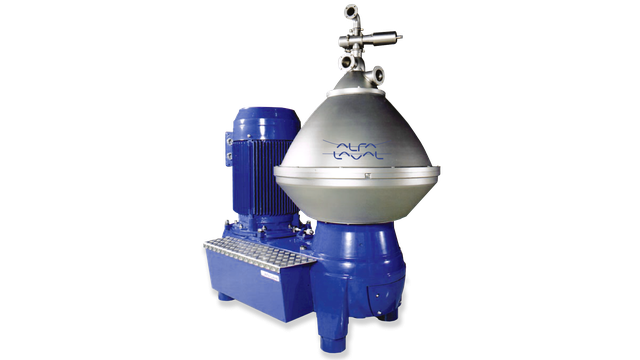

Efficient separation of liquids and solids is a critical requirement in a wide range of industrial processes, including food and beverage production, pharmaceuticals, chemical processing, and wastewater treatment. Traditional methods such as filtration or sedimentation often fall short when dealing with high-volume or fine-particle mixtures. This is where an industrial centrifuge machine proves highly advantageous. By using centrifugal force, these machines provide rapid, precise, and continuous separation, offering significant improvements in both productivity and product quality.
High Efficiency in Solid-Liquid Separation
An industrial centrifuge machine operates on the principle of centrifugal force, where denser solid particles are driven outward to the periphery of a rotating bowl, while lighter liquid components remain near the center. This allows for the rapid separation of fine solids from liquids that would otherwise take hours to settle using conventional methods. A Industrial Centrifuge Machine can handle large volumes of feed material continuously, which is particularly beneficial for industries requiring high throughput and consistent output quality.
The high-speed rotation not only accelerates the separation process but also ensures that even micro-sized particles are efficiently removed from liquids. This capability is essential for applications such as clarifying fruit juices, separating whey from dairy products, or purifying chemical solutions. By delivering precise and thorough separation, industrial centrifuge machines help manufacturers achieve superior product clarity, consistency, and overall quality.
Continuous Operation and Increased Productivity
One of the major advantages of industrial centrifuge machines is their ability to operate continuously. Unlike batch separation methods, which require stopping the process to discharge solids or clean the equipment, these centrifuges are designed for uninterrupted operation. Continuous processing allows manufacturers to handle larger volumes of feed material in less time, improving overall productivity and reducing labor costs.
Automated discharge systems remove accumulated solids without halting operation, maintaining high separation efficiency while minimizing manual intervention. This feature is particularly useful in high-volume industries such as food processing, oil extraction, or pharmaceutical production, where downtime can significantly affect operational efficiency and profitability. Continuous operation also ensures uniform product quality, which is critical in meeting regulatory standards and consumer expectations.
Energy Efficiency and Cost Reduction
Modern industrial centrifuge machines are designed for energy-efficient operation. Features such as variable frequency drives (VFDs) allow precise control of motor speed according to the feed material, optimizing power consumption without compromising performance. Additionally, the lightweight and optimized design of the centrifuge bowl and rotor reduces rotational resistance, further lowering energy requirements.
Efficient energy use directly translates to cost savings, especially in large-scale industrial operations where power consumption is a significant part of operating expenses. Moreover, by minimizing processing time and maximizing throughput, centrifuge machines reduce the cost per unit of product while maintaining high-quality separation. For industries dealing with temperature-sensitive liquids, energy-efficient centrifuges also prevent heat buildup that could degrade product quality.
Maximized Product Recovery
Industrial centrifuge machines are highly effective at minimizing product loss during separation. The precise mechanism ensures that solids are removed cleanly from liquids, allowing the maximum recovery of valuable product in the liquid phase. In food and beverage industries, this means higher yields of oils, juices, and dairy products. In pharmaceutical and chemical production, it ensures efficient recovery of active ingredients, solvents, or intermediates.
High recovery rates reduce raw material waste and associated costs, enhancing the overall profitability of the process. By maximizing product utilization, industrial centrifuges also contribute to more sustainable manufacturing practices, minimizing waste and supporting environmental compliance.
Versatility and Adaptability
Another advantage of industrial centrifuge machines is their versatility. They can process a wide range of feed materials, from low-viscosity liquids to thick suspensions with varying solid content. This adaptability allows a single machine to serve multiple applications across different production lines, reducing the need for additional equipment.
Industries such as pharmaceuticals, food and beverage, chemicals, and wastewater treatment benefit from this versatility. For example, a single centrifuge can clarify fruit juice, separate dairy cream, purify chemical solutions, and dewater industrial sludge. This flexibility helps companies optimize space, reduce capital expenditure, and streamline operations.
Low Maintenance and Reliability
Industrial centrifuge machines are engineered for durability and minimal maintenance. Components such as corrosion-resistant bowls, wear-resistant rotors, and precision-engineered bearings extend the operational lifespan of the machine. Automated cleaning and monitoring systems further reduce maintenance efforts while preventing contamination, which is particularly important in food and pharmaceutical applications.
Predictive maintenance features alert operators to potential issues before they result in downtime, enhancing reliability and ensuring uninterrupted production. The combination of low maintenance requirements and robust construction makes industrial centrifuges a cost-effective long-term investment.
Conclusion
The industrial centrifuge machine offers substantial advantages for liquid-solid separation across multiple industries. Its high-speed operation, continuous processing, energy efficiency, and precise separation capabilities ensure superior product quality and clarity. Maximized product recovery, versatility in handling diverse feed materials, and low maintenance requirements further enhance its value in industrial applications. By integrating industrial centrifuge machines into production processes, manufacturers can improve operational efficiency, reduce costs, and achieve consistent, high-quality results, making them an essential tool in modern industrial separation technology.