
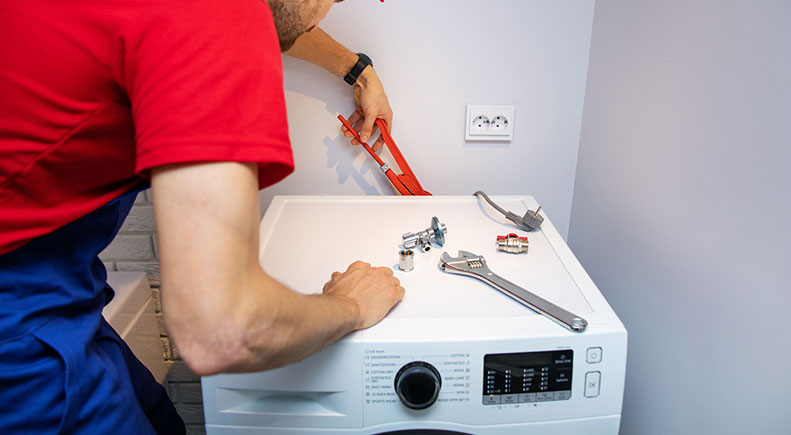

Installing a washing machine involves more than just placing the appliance in a convenient location. One crucial step that ensures proper water supply and prevents leaks is a washing machine tap installation. Understanding the installation process, types of taps, and best practices can save you time, avoid costly damage, and extend the lifespan of your washing machine.
Proper installation of a washing machine tap is essential to ensure a steady water supply, prevent leaks, and avoid plumbing issues. Without a correctly installed tap, you risk water wastage, appliance damage, and potential flooding in your home.
Why Proper Tap Installation Matters
A washing machine tap controls the flow of water into the appliance. Poor installation can lead to several problems:
- Leaks: Improper connections or damaged fittings can cause water to leak onto floors and walls.
- Water Pressure Issues: Incorrect installation may reduce water flow, affecting washing efficiency.
- Damage to Washing Machine: Continuous water pressure fluctuations or leaks can damage internal components.
- Mold and Mildew Growth: Persistent moisture from leaks can lead to mold, affecting indoor air quality.
Ensuring a professional-grade installation helps prevent these issues and ensures your washing machine functions optimally.
Types of Washing Machine Taps
Selecting the right tap is the first step in a successful installation. Common types include:
1. Wall-Mounted Taps
Wall-mounted taps are installed directly onto the plumbing line in the wall. Benefits include:
- Neat and compact installation
- Reduced risk of accidental damage
- Easy to connect washing machine hoses
2. Angle Valve Taps
Angle valves are commonly used in homes and are installed at a 90-degree angle. Advantages include:
- Precise control over water flow
- Suitable for both hot and cold water connections
- Easy to shut off in emergencies
3. Push-Fit or Quick-Connect Taps
These taps allow the washing machine hose to be connected without tools, providing:
- Convenience and speed during installation
- Reduced risk of leaks when fitted properly
- Ideal for DIY installations
4. Bib Taps with Washer
Traditional bib taps are durable and reliable, often paired with washers to ensure a tight seal. They are:
- Cost-effective and widely available
- Easy to maintain and replace washers if leaks occur
- Compatible with most washing machine hoses
Steps for Washing Machine Tap Installation
While professional installation is recommended, understanding the process can help you supervise or troubleshoot issues.
Step 1: Turn Off the Water Supply
Before installation, ensure the main water supply is turned off to prevent accidental flooding.
Step 2: Select the Location
Choose a tap location close to the washing machine that is easily accessible for connecting hoses. Avoid areas prone to splashes or leaks.
Step 3: Prepare the Pipe
- Cut the pipe to the required length if necessary.
- Clean and smooth any rough edges to ensure a tight fit.
- Apply plumber’s tape to threads to prevent leaks.
Step 4: Attach the Tap
- For wall-mounted or angle valves, screw the tap onto the pipe and tighten securely.
- Ensure the tap handle is positioned for easy operation.
Step 5: Connect the Washing Machine Hose
- Attach the hose to the tap, ensuring a snug and secure fit.
- Some hoses have quick-connect fittings; others require tightening with a wrench.
Step 6: Test for Leaks
- Turn on the main water supply and check for leaks around the tap and hose connection.
- If leaks are detected, tighten fittings or replace washers as necessary.
Step 7: Secure the Hose
- Position the hose to prevent kinks or sharp bends that could reduce water flow or cause damage.
Tips for Safe and Efficient Installation
- Use Quality Taps: Investing in durable materials like brass or stainless steel reduces wear and tear.
- Check Compatibility: Ensure the tap and hose threads match to avoid leaks.
- Maintain Accessibility: Install taps where they can be easily reached for maintenance or emergency shut-off.
- Avoid Over-Tightening: Excessive force can damage threads or fittings.
- Periodic Inspection: Regularly check taps and hoses for signs of wear or leaks.
When to Hire a Professional
While DIY installation is possible, professional plumbing services provide several advantages:
- Expertise: Professionals ensure a leak-free and correctly aligned installation.
- Tools and Equipment: Proper wrenches, sealing tape, and fittings reduce errors.
- Compliance with Regulations: Certified plumbers follow building codes and water supply standards.
- Peace of Mind: Professional installation minimizes the risk of water damage or appliance issues.
Maintenance and Longevity
Proper maintenance of your washing machine tap can extend its lifespan:
- Periodically clean the tap to prevent mineral buildup.
- Replace worn washers or O-rings promptly to avoid leaks.
- Inspect hoses for cracks, kinks, or wear.
- Avoid using excessive force when turning the tap on or off.
Final Thoughts
A well-executed washing machine tap installation is crucial for a smooth laundry experience and the longevity of your appliance. By selecting the right tap, following proper installation steps, and maintaining the system regularly, you can prevent leaks, ensure optimal water flow, and protect your home from water damage.
Investing in professional installation or carefully managing a DIY approach ensures that your washing machine receives a steady, reliable water supply while safeguarding your home against potential plumbing issues. Proper tap installation not only improves functionality but also provides peace of mind for years of hassle-free laundry.