
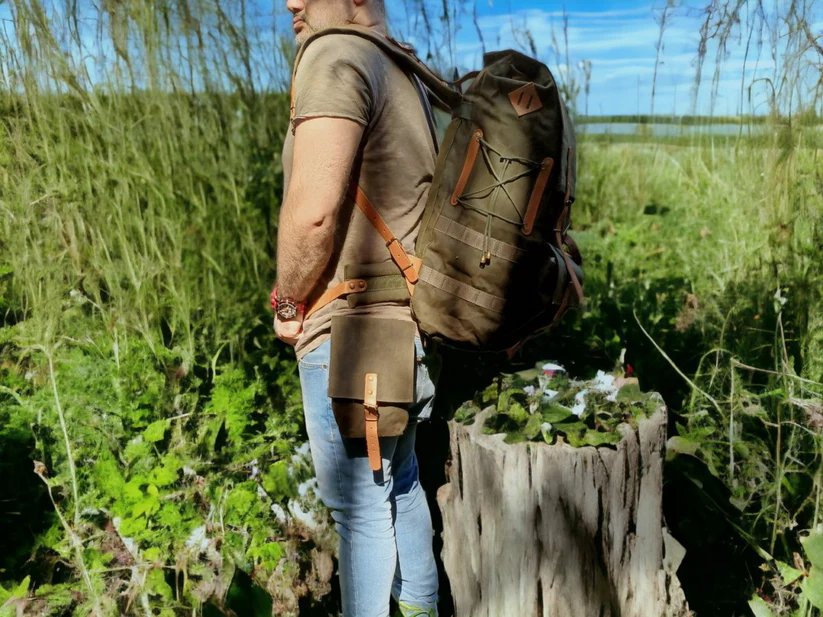

Camping offers a chance to disconnect from the busyness of daily life and reconnect with the natural world. While the experience is rewarding, being unprepared can quickly turn an enjoyable trip into a stressful one. The key to a successful outdoor adventure lies in packing smartly and ensuring you have all the essentials you need for safety, comfort, and convenience. Knowing what to carry in your camping bag is just as important as choosing your campsite or planning your route.
Why Your Backpack Matters
Your backpack is the heart of your camping setup. It doesn’t just carry your gear—it organizes your essentials, balances the load, and ensures you’re ready for the challenges of the outdoors. Selecting the right Camping backpack and filling it with the right items makes a huge difference in how enjoyable and safe your trip will be. Overpacking can slow you down, while underpacking can leave you without critical supplies. The goal is to strike a balance between weight and functionality.
Shelter and Sleeping Gear
The first priority when camping is ensuring you have reliable shelter and sleeping equipment. Nature can be unpredictable, and having protection from wind, rain, or cold temperatures is essential.
- Tent or Hammock with Rainfly: Provides shelter from the elements and a safe place to rest.
- Sleeping Bag: Choose one based on the season—lightweight for summer, insulated for winter.
- Sleeping Pad or Inflatable Mat: Adds comfort and insulation from the ground.
Keeping these items packed efficiently at the bottom or middle of your backpack will save space and maintain balance.
Navigation Tools
Even experienced campers can lose their way. Carrying navigation tools ensures you can always find your route back.
- Map and Compass: Reliable, even when technology fails.
- GPS Device or Smartphone with Offline Maps: Useful but always bring a backup.
- Headlamp or Flashlight: Essential for navigating in low light or at night.
These should be kept accessible in side or top pockets for quick use when needed.
Food and Cooking Supplies
Staying energized on the trail requires proper nutrition and hydration. Planning your meals ahead of time will help you avoid carrying unnecessary weight.
- Portable Stove or Lightweight Cooking System
- Fuel Canisters
- Cooking Pot and Utensils
- Reusable Water Bottle or Hydration Bladder
- Food Supplies: Lightweight options like freeze-dried meals, energy bars, nuts, and dried fruit.
- Water Filtration or Purification Tablets: Critical if you’ll be sourcing water from rivers or lakes.
Food and cooking essentials are best packed in the middle of your backpack, keeping the weight centered for stability.
Clothing Essentials
Weather in the outdoors can shift unexpectedly. Packing versatile clothing will help you adapt to changing conditions.
- Base Layers: For warmth and moisture control.
- Insulating Layer: A fleece or lightweight down jacket.
- Waterproof Outer Layer: Jacket and pants to protect from rain.
- Extra Socks and Underwear: Dry clothing prevents discomfort and blisters.
- Hat and Gloves: Necessary for cooler evenings or higher elevations.
Roll clothes tightly to save space, and store them in waterproof bags to keep them dry.
Safety and First Aid
Accidents can happen, and being prepared is crucial. A small but well-stocked first aid kit can be lifesaving in emergencies.
- Adhesive Bandages and Gauze
- Antiseptic Wipes and Ointments
- Pain Relief Medication
- Tweezers and Scissors
- Medical Tape and Elastic Bandage
- Personal Prescriptions
Additionally, carrying a multi-tool or Swiss Army knife is invaluable for repairs, cooking, or emergencies.
Fire-Making Supplies
Fire provides warmth, a way to cook food, and even a sense of safety. Always pack multiple fire-starting methods.
- Waterproof Matches
- Lighter
- Firestarter Blocks or Cotton Balls with Petroleum Jelly
These items should be stored in waterproof containers to ensure they work when you need them most.
Personal Items and Extras
While the basics keep you safe and comfortable, small extras can significantly improve your experience.
- Toiletries and Biodegradable Soap: Toothbrush, toothpaste, hand sanitizer, and toilet paper.
- Sunscreen and Insect Repellent: Protection against sunburn and bug bites.
- Notebook and Pen: Useful for jotting down notes or journaling.
- Camera or Binoculars: For capturing memories and enjoying wildlife.
- Trash Bags: To carry out waste and leave no trace.
These items may not always seem critical, but they add convenience and help maintain environmental responsibility.
Packing Strategy
How you arrange your gear is just as important as what you pack. Heavier items like food and cooking gear should sit close to your back in the middle section, while lighter, bulkier gear like sleeping bags should go at the bottom. Essentials you’ll need during the day—such as snacks, rain gear, or navigation tools—should be packed at the top or in accessible pockets.
Adjust the straps and hip belt to distribute weight evenly, ensuring your shoulders don’t carry the full burden. A balanced, properly fitted pack prevents fatigue and makes long treks much more comfortable.
Final Thoughts
A well-prepared camping backpack is the difference between an enjoyable trip and one filled with challenges. By focusing on shelter, navigation, food, clothing, safety, and personal items, you’ll be ready for whatever nature brings. Remember to pack smart, keep your load balanced, and adjust your gear to match the environment and trip length. With the right essentials, your outdoor adventure will be both safe and memorable.