
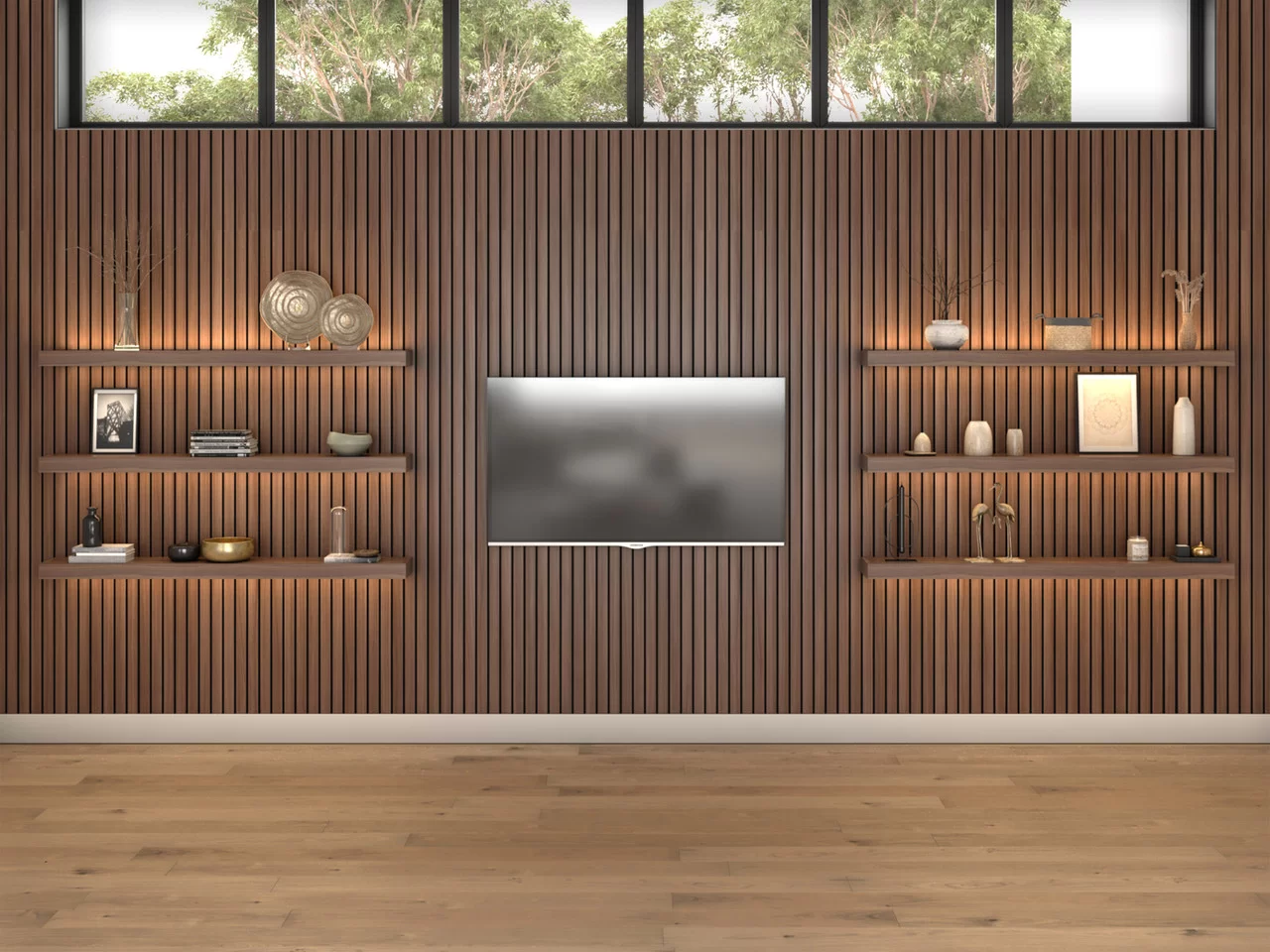

Sound control has become a fundamental requirement in modern architecture, especially in environments such as offices, schools, hospitals, studios, and public buildings. As interior spaces continue to evolve with open layouts and hard surfaces, managing echo and noise has become increasingly important. This has led to greater reliance on engineered acoustic solutions that improve indoor sound quality.
A professional acoustic panel factory plays a key role in developing and manufacturing sound absorption products that meet both technical and design requirements. These factories combine material science, precision engineering, and quality control to produce panels that perform effectively in real-world environments.
The Purpose of Sound Absorption Solutions
Sound absorption solutions are designed to reduce reverberation and control noise levels within a space. Unlike soundproofing systems that block sound transmission, acoustic panels improve the internal sound environment by absorbing excess sound energy.
These solutions are essential in spaces where clarity and comfort matter. Without proper acoustic treatment, sound waves bounce off hard surfaces, creating echoes and reducing speech intelligibility.
Inside the Acoustic Panel Manufacturing Process
The production of acoustic panels involves multiple carefully controlled stages. Each step contributes to the final performance, durability, and appearance of the product.
Material Selection and Preparation
The process begins with selecting raw materials based on the required acoustic performance. Common materials include polyester fiber, fiberglass, wood composites, and acoustic foam.
At this stage, materials are tested for:
- Density consistency
- Acoustic absorption potential
- Fire resistance properties
- Structural stability
Proper material selection is essential for ensuring reliable performance in different environments.
Fiber Processing and Structural Formation
Once materials are prepared, they are processed into structured forms. Fiber-based materials are compressed and bonded to create stable acoustic cores.
This stage determines how effectively the panel will absorb sound across different frequencies. Controlled pressure and temperature ensure uniform density throughout the panel.
Panel Shaping and Cutting
After forming, panels are cut into precise dimensions using advanced machinery. CNC cutting systems are commonly used to create accurate shapes and custom designs.
This allows manufacturers to produce:
- Standard rectangular panels
- Modular geometric designs
- Custom architectural shapes
- Ceiling and wall-mounted systems
Precision cutting ensures consistency and easy installation on-site.
Surface Treatment and Finishing
Surface finishing is an important step that combines aesthetics with functionality. Depending on the application, panels may receive different finishes such as:
- Fabric wrapping for decorative interiors
- Wooden veneers for architectural integration
- Printed surfaces for branding or design customization
- Protective coatings for durability and fire resistance
This stage ensures that acoustic panels blend seamlessly into interior design concepts.
Assembly and Reinforcement
Some acoustic panels require additional structural reinforcement to improve durability and performance. Layers may be added to enhance sound absorption or improve resistance to environmental conditions.
This step is especially important for panels used in high-traffic or demanding environments such as commercial buildings and public facilities.
Quality Testing and Acoustic Evaluation
Before distribution, every panel undergoes strict quality control procedures. These tests ensure that the product meets both performance and safety standards.
Key evaluations include:
- Noise Reduction Coefficient (NRC) testing
- Fire resistance compliance checks
- Structural durability assessments
- Dimensional accuracy verification
Only panels that meet all requirements are approved for use in construction projects.
How Acoustic Panels Solve Noise Problems
Acoustic panels produced in factories are designed to address specific sound-related challenges in interior environments.
Reducing Echo and Reverberation
Hard surfaces such as glass, concrete, and metal reflect sound waves, causing echo. Acoustic panels absorb these reflections, improving sound clarity.
Improving Speech Intelligibility
In spaces like classrooms and conference rooms, clear communication is essential. Acoustic panels help reduce background noise so speech can be understood more easily.
Enhancing Comfort in Public Spaces
Restaurants, offices, and transport hubs often suffer from high noise levels. Acoustic treatment helps create a more comfortable environment for users.
Supporting Professional Audio Environments
In studios and performance spaces, precise sound control is critical. Acoustic panels help achieve balanced sound quality for recording and playback.
Material Innovation in Modern Factories
Modern acoustic panel factories are continuously improving material technology to enhance performance and sustainability.
Innovations include:
- Recycled polyester fiber materials for eco-friendly production
- Multi-layer composite structures for improved absorption
- Fire-resistant and moisture-resistant coatings
- Lightweight yet high-density acoustic cores
These advancements allow panels to perform better while meeting modern environmental and safety standards.
The Importance of Precision Manufacturing
Accuracy in manufacturing directly affects acoustic performance. Even small variations in density or thickness can impact how sound is absorbed.
Factories rely on advanced machinery and controlled production environments to ensure consistency. This precision guarantees that every panel performs as expected when installed in real-world environments.
Applications of Factory-Produced Acoustic Solutions
Acoustic panels manufactured in factories are used across a wide range of industries due to their versatility.
Corporate Offices
Reduce noise distractions and improve workplace productivity.
Educational Institutions
Enhance learning environments by improving speech clarity.
Healthcare Facilities
Create calmer environments that support patient recovery and staff efficiency.
Hospitality and Entertainment Venues
Improve guest comfort and enhance audio experiences in restaurants, hotels, and theaters.
Conclusion
The production of sound absorption solutions is a highly technical process that combines material science, precision engineering, and strict quality control. From raw material selection to final testing, every stage in an acoustic panel factory contributes to the effectiveness and reliability of the final product.
By working with an experienced acoustic panel factory, architects and builders can access high-quality acoustic solutions that improve sound comfort, enhance interior design, and meet the demands of modern construction environments.