
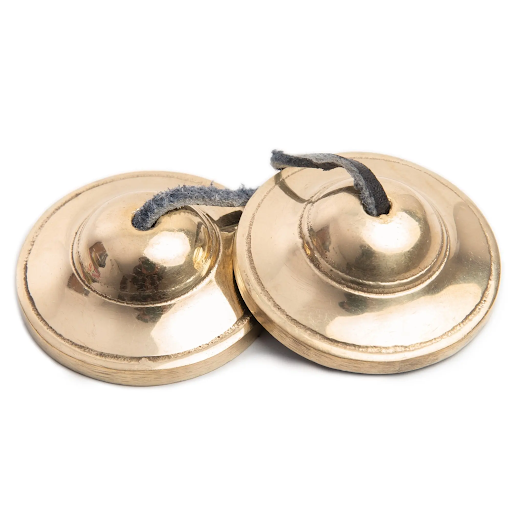

In recent years, wellness practices have increasingly embraced sound-based healing tools to support mindfulness, relaxation, and emotional balance. Among these tools, Tibetan sound instruments hold a special place due to their calming resonance and traditional significance. Many practitioners and wellness centers prefer Handmade tingsha bells for their pure tone and handcrafted quality, which enhances meditation practices and creates a grounding environment for mental clarity.
Tingsha bells are small cymbals traditionally used in Tibetan spiritual practices. When struck together, they produce a clear, high-pitched sound believed to help center attention and support meditative awareness. Today, they are widely used in yoga studios, therapy sessions, and personal mindfulness routines.
Understanding Tingsha Bells in Wellness Practices
Tingsha bells are traditionally made from metal alloys and are closely linked with Himalayan spiritual traditions. Their sound is not just auditory but experiential, helping individuals shift focus from external distractions to inner awareness in a simple and natural way.
In modern wellness settings, they are used at the beginning or end of meditation sessions, yoga practices, and breathing exercises. The sound acts as an anchor, signaling the mind to enter or exit a meditative state with clarity and intention.
How Tingsha Bells Support Meditation
The use of tingsha bells in meditation has grown significantly due to their ability to quickly shift mental focus and create a calm internal environment. This becomes clearer when we look at the specific ways they influence meditative practice:
1. Enhancing Focus and Attention
The sharp, resonant tone of tingsha bells helps redirect attention immediately. This makes them especially useful in meditation sessions where the mind tends to wander. The sound acts as a focal point, guiding awareness back to the present moment.
2. Supporting Mental Clarity
The vibrations created by the bells are often associated with mental clearing. Practitioners use them to release scattered thoughts and create a more centered mental state before deeper meditation begins.
3. Creating Structured Practice Flow
Tingsha bells are commonly used to mark transitions in meditation. The sound signals the beginning and end of a session, helping the mind associate sound with relaxation, awareness, and closure.
Role in the Modern Wellness Industry
The wellness industry has grown quickly, and sound therapy is now an important part of holistic healing practices. Tingsha bells are widely used in yoga studios, wellness retreats, meditation centers, and therapy spaces as simple yet effective tools for grounding attention.
They are valued not only for their sound but also for their symbolic link to mindfulness and balance. Wellness practitioners often include them in guided meditation sessions, breathing exercises, and relaxation therapies to create a more focused and calming experience.
Craftsmanship and Traditional Value
The quality of tingsha bells is closely connected to traditional craftsmanship and careful material selection. They are often handmade using specific metal compositions that produce a clear, steady, and balanced tone when struck.
This is where Handmade tingsha bells become especially important, as they preserve authentic sound quality while maintaining traditional Himalayan methods of crafting and tuning that have been passed down through generations.
Sound Healing and Emotional Balance
Sound healing is based on the idea that vibrations can influence emotional and mental states in subtle but meaningful ways. Tingsha bells are commonly used in this practice to create a calm and centered auditory environment that supports relaxation and emotional release.
Their sound is believed to help reduce mental fatigue, improve focus, and encourage emotional grounding. This makes them useful in personal wellness routines as well as professional therapeutic sessions where calming energy is needed.
Integration into Yoga and Meditation Spaces
Yoga instructors and meditation practitioners often use tingsha bells to guide transitions during sessions. The sound helps signal shifts from movement to stillness or from active breathing exercises to quiet meditation.
This simple auditory cue helps create a more synchronized experience for participants, supporting group focus and smoother transitions throughout the practice.
Traditional Roots and Cultural Significance
Tingsha bells originate from Tibetan spiritual traditions and have been used for centuries in rituals, meditation, and ceremonial practices. Their sound is often associated with clarity, awareness, and spiritual grounding.
This deep cultural background adds meaning to their use in modern wellness spaces, where they serve not only as functional tools but also as symbolic connections to mindfulness traditions.
Healing Applications in Modern Therapy
Sound-based healing practices are increasingly being integrated into holistic wellness systems. Tingsha bells are often combined with other instruments, such as singing bowls, to create layered sound experiences.
In this context, Healing tingsha bells are used in relaxation therapy, stress reduction sessions, and guided meditation practices to create a soothing and balanced environment for emotional well-being.
Why Tingsha Bells Remain Relevant Today
Despite the availability of modern wellness technologies and digital tools, tingsha bells continue to remain relevant due to their simplicity and immediate effect. They require no setup, training, or external systems, making them easy to incorporate into any wellness routine.
Their ability to quickly bring attention back to the present moment through a single sound makes them a timeless instrument in meditation and wellness practices, valued by both beginners and experienced practitioners.
Choosing Authentic Tingsha Bells
Selecting authentic tingsha bells requires attention to craftsmanship, material quality, and tonal clarity. Handcrafted pieces are often preferred because they produce more balanced resonance and retain traditional sound characteristics that enhance meditation practices.
Authentic bells are designed to create steady, harmonious vibrations that support deeper mindfulness, helping users maintain focus and achieve a more grounded meditative experience.
Conclusion
Tingsha bells continue to play an important role in the meditation and wellness industries by supporting focus, emotional balance, and mindful awareness. Their sound helps create structured meditation experiences while enhancing relaxation practices across modern wellness spaces.
Himalayan Bazaar continues to preserve and promote traditional craftsmanship through thoughtfully created wellness instruments that reflect ethically sourced Himalayan traditions. The platform focuses on sharing authentic handcrafted products that connect modern wellness practices with cultural heritage, making traditional mindfulness tools accessible for today’s lifestyle while preserving their original significance. For more information please visit the website https://www.himalayanbazaar.com/