
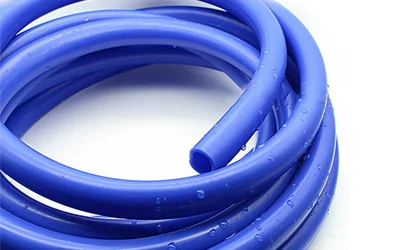

Silicone tubing is widely used in critical industries such as medical devices, pharmaceuticals, food processing, biotechnology, automotive systems, and industrial manufacturing. In these environments, durability and safety are not optional features but essential requirements. A failure in silicone tubing can lead to system breakdowns, contamination risks, or even serious safety hazards. For this reason, manufacturers follow strict processes to ensure that every product meets high performance standards.
A reliable manufacturing process involves careful material selection, advanced production techniques, and rigorous testing procedures. Many businesses evaluate a trusted Silicone Tube Manufacturer to ensure they are sourcing products that meet strict safety and durability requirements. These manufacturers play a vital role in ensuring that silicone tubing performs consistently under demanding conditions while maintaining compliance with global standards.
Selection of High-Quality Raw Materials
One of the most important factors in ensuring durability and safety is the quality of raw materials used in production. Silicone tube manufacturers carefully select medical-grade, food-grade, or industrial-grade silicone based on the intended application.
High-purity silicone materials are essential because they provide stability, flexibility, and resistance to heat and chemicals. Medical-grade silicone must be biocompatible and safe for human contact, while industrial-grade silicone is designed to withstand harsh environments. By using high-quality raw materials, manufacturers lay the foundation for safe and long-lasting products.
Advanced Manufacturing and Extrusion Technology
Modern silicone tube manufacturers rely on advanced extrusion technology to produce tubing with precise dimensions and consistent quality. The extrusion process involves pushing silicone material through specialized molds to form continuous tubing.
To ensure durability, manufacturers use controlled temperature and pressure systems during production. This helps maintain uniform wall thickness and prevents structural weaknesses. Automated systems also reduce human error and improve consistency across large production batches. Precision manufacturing ensures that the tubing performs reliably in critical applications.
Curing and Material Stabilization Processes
After extrusion, silicone tubing undergoes a curing process that strengthens its structure and improves its performance. Curing involves heating the material to stabilize its molecular structure, which enhances durability and flexibility.
There are different curing methods, such as platinum curing and peroxide curing. Platinum-cured silicone is often preferred for medical and food applications due to its higher purity and reduced risk of contamination. Proper curing ensures that the tubing maintains its properties even under extreme temperature variations and long-term use.
Strict Quality Control and Inspection Systems
Quality control is a key step in ensuring both durability and safety. Silicone tube manufacturers implement multi-stage inspection systems throughout the production process.
These inspections include raw material testing, in-process monitoring, and final product evaluation. Common tests include tensile strength analysis, elongation testing, pressure resistance checks, and chemical compatibility assessments. By identifying defects early, manufacturers ensure that only high-quality tubing reaches the market.
Consistent quality control reduces the risk of product failure and ensures long-term reliability in demanding environments.
Compliance with International Safety Standards
Safety is closely linked to regulatory compliance. Trusted silicone tube manufacturers adhere to international standards such as ISO 9001, ISO 13485, FDA regulations, and USP Class VI certification.
These certifications ensure that manufacturing processes meet strict safety and quality requirements. For example, ISO 13485 is essential for medical device manufacturing, while FDA compliance ensures that tubing is safe for food and medical applications. Compliance with these standards demonstrates a manufacturer’s commitment to producing safe and reliable products.
Chemical and Temperature Resistance Testing
Silicone tubing is often exposed to extreme temperatures and aggressive chemicals. To ensure durability, manufacturers conduct extensive resistance testing.
These tests evaluate how the tubing performs under heat, cold, and chemical exposure. High-quality silicone tubing is designed to maintain its flexibility and strength even in harsh conditions. This makes it suitable for applications such as industrial machinery, laboratory equipment, and automotive systems.
Reinforcement Techniques for Added Strength
In some applications, additional durability is required. Silicone tube manufacturers use reinforcement techniques such as adding polyester or wire mesh layers to improve strength and pressure resistance.
Reinforced tubing is commonly used in high-pressure systems where standard tubing may not be sufficient. These enhancements help prevent bursting, deformation, or wear over time, ensuring safer and more reliable performance.
Cleanroom Manufacturing for Contamination Control
For medical and pharmaceutical applications, preventing contamination is essential. Many manufacturers use cleanroom environments during production to minimize exposure to dust, particles, and microbial contamination.
Cleanroom manufacturing ensures that silicone tubing meets strict hygiene standards. This is especially important for applications involving direct contact with patients or sensitive biological materials.
Long-Term Performance and Product Testing
Durability is not only tested during production but also evaluated for long-term performance. Manufacturers conduct aging tests to simulate extended use under various conditions.
These tests help ensure that silicone tubing retains its properties over time without degradation. Long-term testing provides confidence that the product will perform reliably throughout its intended lifespan.
Conclusion
Silicone tube manufacturers ensure durability and safety through a combination of high-quality materials, advanced manufacturing technology, strict quality control, and compliance with international standards. Every stage of production is carefully managed to guarantee consistent performance and reliability.
By focusing on precision, safety, and long-term durability, manufacturers provide silicone tubing that meets the demanding needs of modern industries. This commitment to quality ensures that businesses can rely on silicone tubing for critical applications without compromising performance or safety.