
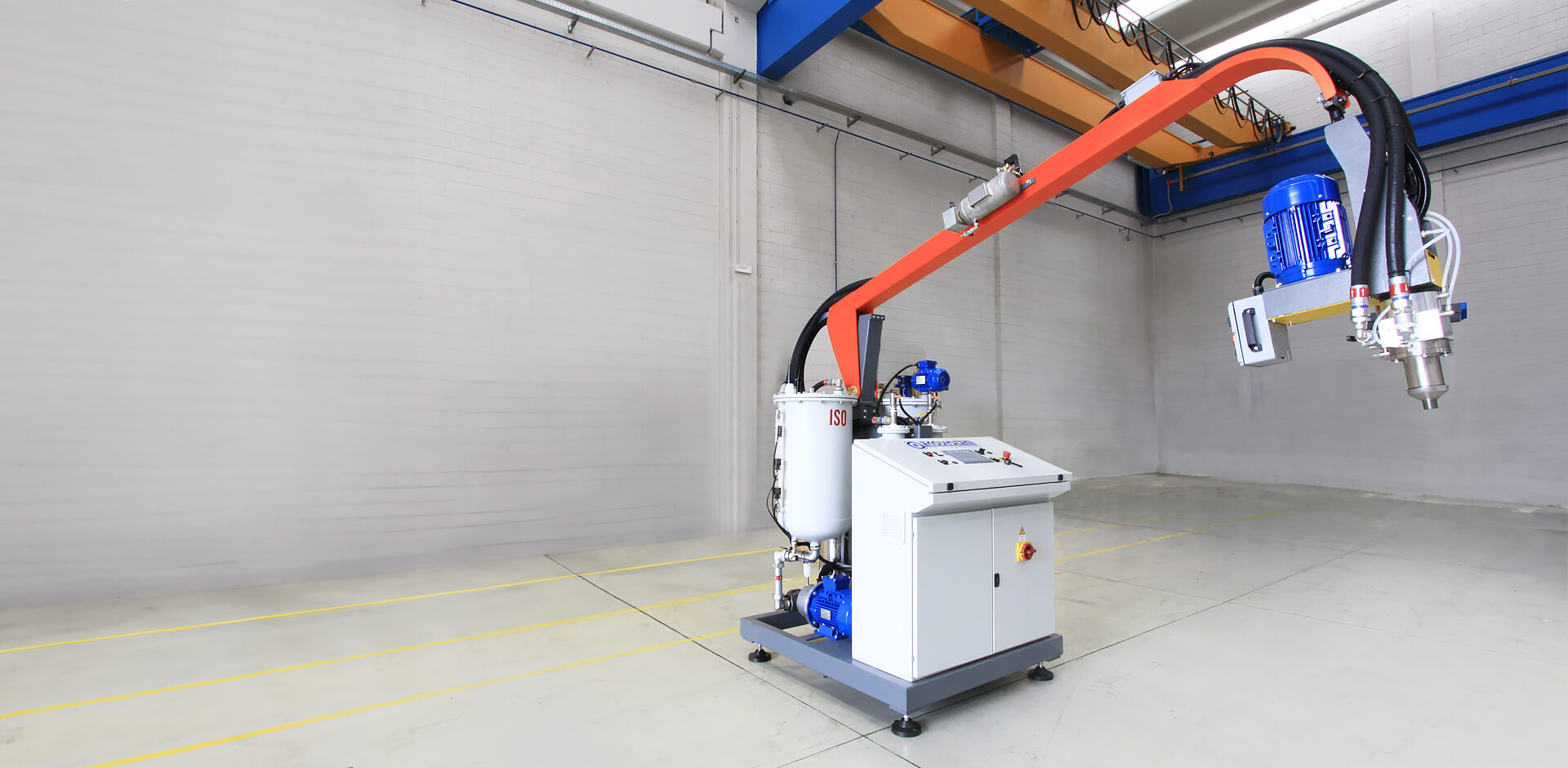

Energy efficiency has become a critical consideration in modern industrial operations, and the polyurethane (PU) foam industry is no exception. PU foaming machines are widely used across automotive, construction, furniture, refrigeration, and packaging industries, where large-scale production demands substantial energy consumption. As environmental regulations tighten and operational costs rise, PU foaming machine manufacturers are adopting innovative energy-saving technologies to enhance performance while reducing energy usage and carbon footprints.
Leading PU Foaming Machine Manufacturers are increasingly focusing on energy efficiency in their designs. By integrating advanced control systems, optimizing heating and pumping mechanisms, and incorporating smart monitoring tools, these manufacturers are helping businesses achieve sustainable production without compromising foam quality or throughput. Understanding these innovations allows businesses to make informed choices when selecting machinery.
Advanced Heating and Temperature Control Systems
Heating is one of the primary energy-consuming processes in PU foaming machines. Traditionally, raw material tanks, pipelines, and mixing heads relied on continuous heating, which often led to energy wastage. Energy-efficient machines now use advanced heating systems with precise temperature control mechanisms.
Innovations such as PID (Proportional-Integral-Derivative) controllers and insulated pipelines help maintain optimal temperatures for polyol and isocyanate components with minimal energy loss. By heating only when necessary and avoiding over-temperature conditions, these systems significantly reduce energy consumption and enhance process efficiency.
High-Efficiency Pumps and Mixing Systems
Hydraulic and pneumatic pumps are essential for chemical injection and mixing but are also major contributors to energy usage. Modern PU foaming machines incorporate high-efficiency pumps that operate at variable speeds, adjusting energy consumption based on production requirements.
Mixing systems have also evolved, with dynamic and low-resistance mixing heads reducing the pressure needed for uniform foam blending. These innovations lower operational energy demands while maintaining consistent foam density and quality, allowing manufacturers to achieve both productivity and sustainability goals.
Automation and Smart Control Integration
Automation has played a key role in energy efficiency innovations. Advanced PU foaming machines now include smart control systems that monitor and optimize various production parameters such as temperature, pressure, and flow rates in real-time. Sensors and PLC-based systems detect deviations and adjust operations automatically to reduce waste and prevent energy-intensive errors.
Automated systems also enable predictive maintenance, allowing operators to identify potential issues before they cause energy inefficiencies. By optimizing machine performance continuously, automation contributes to reduced power consumption and extended equipment lifespan.
Material Handling and Storage Efficiency
Efficient handling of raw materials is another area where energy-saving innovations are applied. Modern machines feature insulated storage tanks, automated agitation systems, and precision dispensing mechanisms that reduce the energy required to maintain material viscosity and prevent chemical separation.
By minimizing manual handling and ensuring consistent material flow, these systems lower operational strain and energy demands. Improved material management also reduces waste, which indirectly saves the energy that would otherwise be used to produce excess foam.
Reclaimed Energy and Waste Reduction
Some PU foaming machines are designed to recover and reuse energy generated during operation. For example, heat exchangers can reclaim heat from exhaust systems and reuse it for preheating materials. Similarly, optimizing chemical ratios and flow patterns reduces waste generation, conserving both raw materials and the energy required to process them.
These approaches not only reduce operational costs but also contribute to a more sustainable production process, aligning with global environmental standards.
Environmentally Friendly Insulation and Design
The design and insulation of machines themselves have become critical for energy efficiency. Manufacturers now use high-grade insulation materials for tanks, pipelines, and mixing chambers, reducing heat loss and lowering the energy needed to maintain optimal operating temperatures.
Compact and modular machine designs also contribute to energy efficiency by minimizing the distance chemicals must travel and reducing friction and pressure losses within the system. These structural innovations help lower the overall energy footprint of foam production lines.
Energy-Efficient Motors and Drive Systems
Modern PU foaming machines are increasingly equipped with energy-efficient electric motors and variable frequency drives (VFDs). VFDs allow motor speeds to adjust according to real-time operational demands rather than running continuously at full power, significantly reducing energy consumption.
High-efficiency motors also generate less heat, reducing the need for additional cooling systems and further lowering energy use. These innovations combine to create more sustainable and cost-effective operations for manufacturers.
Monitoring and Reporting Systems
Energy management is enhanced by integrated monitoring and reporting systems. These systems provide operators with data on energy consumption, material usage, and machine performance. By analyzing this data, operators can identify inefficiencies, optimize production schedules, and implement targeted energy-saving strategies.
Such monitoring not only improves sustainability but also helps businesses reduce costs and comply with environmental regulations, providing a competitive advantage in the market.
Conclusion
Energy efficiency innovations in PU foaming machine manufacturing are transforming the industry by reducing operational costs, conserving resources, and promoting sustainable practices. Advanced heating systems, high-efficiency pumps, smart automation, insulation improvements, and energy recovery mechanisms contribute to lower energy consumption without compromising foam quality.
By investing in energy-efficient PU foaming machines, businesses can achieve cost-effective, environmentally responsible, and high-performance production processes. These innovations represent a strategic approach to balancing operational efficiency with sustainability, positioning companies for long-term success in a competitive market.