
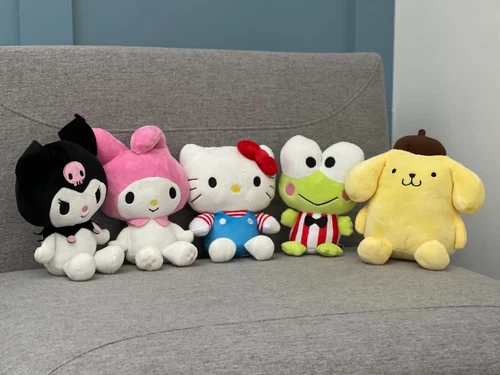

Plush toys are beloved by children and collectors alike, but creating these soft, detailed products requires a complex and carefully controlled manufacturing process. Understanding how plush toys are made helps brands ensure high-quality products, meet safety standards, and maintain consistency across production batches. From design conceptualization to final packaging, each step plays a critical role in bringing a plush toy to life.
Concept and Design Development
Every plush toy begins with a concept. Designers create sketches and digital illustrations based on the intended character, theme, or brand identity. This stage includes determining the toy’s size, shape, color palette, and special features, such as embroidered details, movable parts, or sound modules. For brands seeking a trusted production partner, choosing an experienced plush toy manufacturer can be pivotal. Such manufacturers not only understand design intricacies but also provide guidance on materials, safety standards, and production feasibility.
During the design phase, manufacturers often create prototypes or samples. These prototypes allow for testing proportions, material selection, and overall aesthetic appeal. Feedback from this stage can lead to refinements in design, ensuring the final product matches the vision while remaining safe and durable for its intended audience.
Material Selection
Material selection is one of the most critical steps in plush toy manufacturing. The softness, durability, and safety of a toy largely depend on the fabrics, fillings, and accessories used. Common materials include polyester fibers, cotton blends, synthetic plush fabrics, and hypoallergenic stuffing. High-quality plush toys also incorporate stitching threads that are strong enough to withstand repeated handling.
Safety regulations must be considered when selecting materials. For children’s toys, materials should be non-toxic, flame-resistant, and free from small parts that could pose choking hazards. Reliable manufacturers follow international safety standards such as ASTM, EN71, and CPSIA, ensuring that every material used complies with regulatory requirements.
Cutting and Sewing
Once materials are selected, the plush toy’s pieces are cut according to patterns derived from the design. Precision in cutting is crucial, as even slight deviations can affect the symmetry and overall appearance of the toy. Modern manufacturers often use computer-aided cutting machines to achieve accuracy and efficiency, especially for large-scale production.
After cutting, the pieces are sewn together, typically using industrial sewing machines. This step requires skilled workers to handle complex shapes, attach multiple components, and reinforce seams for durability. High-quality plush toys often feature double stitching in stress areas to prevent tearing and ensure the toy can withstand regular use.
Stuffing and Assembly
The next stage involves filling the toy with stuffing to give it shape and softness. Stuffing materials vary depending on the desired weight, firmness, and huggability of the toy. Some plush toys incorporate specialized inserts, such as beans or pellets, to create weighted features or improve balance.
After stuffing, the toy is fully assembled, with additional elements like eyes, noses, clothing, or accessories attached. Manufacturers may use embroidery, plastic components, or sewn-on features, depending on design requirements. Attention to detail during this stage is essential to ensure that the toy looks appealing and functions as intended.
Quality Control and Testing
Quality control is an integral part of plush toy production. Each toy undergoes inspections for stitching, material quality, and overall appearance. Testing may include checking the strength of seams, durability of accessories, and consistency in color and texture. For toys intended for children, safety tests are conducted to confirm compliance with regulatory standards.
A manufacturer with a strong quality control system minimizes the risk of defects and recalls. Sampling and batch testing are common practices that ensure only the best products reach the market, enhancing brand reputation and customer trust.
Packaging and Shipping
After passing quality checks, plush toys are prepared for packaging. Packaging serves both protective and marketing purposes, keeping the toy safe during transit while presenting it attractively to consumers. Labels often include safety warnings, age recommendations, and brand information.
Shipping logistics are also critical. A reliable manufacturer coordinates packaging sizes, shipping methods, and delivery schedules to ensure products reach retailers or warehouses in optimal condition. Timely delivery and careful handling are essential for meeting launch deadlines and maintaining brand credibility.
Conclusion
The manufacturing process of plush toys is a detailed, multi-step journey that requires precision, creativity, and adherence to safety standards. From concept design to material selection, sewing, stuffing, quality control, and packaging, each phase plays a pivotal role in producing toys that delight consumers and uphold brand integrity.
Understanding this process allows brands to make informed decisions when selecting a manufacturing partner. Collaborating with a reputable plush toy manufacturer ensures that products are not only visually appealing but also safe, durable, and consistent in quality. By appreciating the complexity behind each plush toy, brands can build trust with customers and create products that leave a lasting impression in the competitive toy market.