
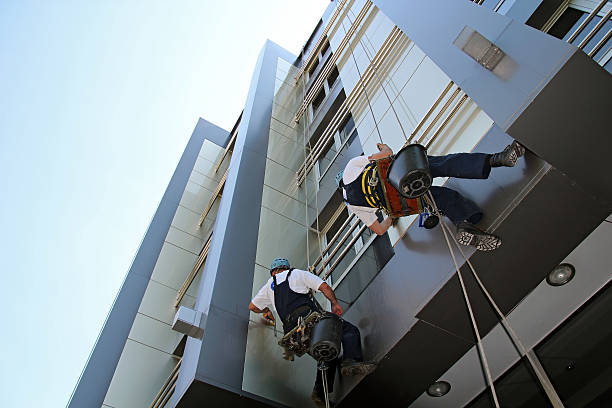

Maintaining cleanliness in residential buildings is essential for ensuring a safe, healthy, and pleasant living environment. From high-rise condominiums to apartment complexes, common areas such as lobbies, corridors, elevators, and recreational spaces require regular cleaning and upkeep. Effective residential building maintenance cleaning not only enhances the visual appeal of a property but also protects the health of residents and preserves the value of the building over time.
For property managers and homeowners seeking reliable services, Professional Residential Building Maintenance Cleaning provides structured programs that combine expertise, consistency, and best practices. These services include regular cleaning schedules, adherence to hygiene standards, and use of professional-grade equipment and cleaning agents. By outsourcing maintenance cleaning to professionals, residential buildings can ensure a consistently clean environment that meets safety and aesthetic standards.
Key Standards in Residential Maintenance Cleaning
Residential building maintenance cleaning follows specific standards to ensure thoroughness, safety, and hygiene. Common standards include the use of appropriate cleaning agents, regular disinfection of high-touch areas, and attention to both visible and hidden surfaces. Cleaning personnel must also follow protocols to handle waste disposal, floor care, and sanitation of communal facilities such as gyms, swimming pools, and laundry rooms.
Compliance with these standards protects residents from potential health hazards such as mold, bacteria, and allergens. It also ensures that all areas of the building are consistently maintained to a high level, which is especially important in multi-tenant properties where shared spaces experience heavy foot traffic.
Creating Effective Cleaning Schedules
A well-structured cleaning schedule is essential for residential building maintenance. Scheduling should be tailored to the size of the property, the number of residents, and the usage patterns of common areas. High-traffic zones like lobbies, elevators, and stairwells may require daily cleaning, while less frequently used areas may be maintained on a weekly or bi-weekly basis.
Routine inspections can help identify areas requiring additional attention and allow cleaning staff to adjust schedules accordingly. Professional residential cleaning teams often develop customized schedules to maximize efficiency and ensure that no areas are overlooked, maintaining a consistent standard of cleanliness throughout the property.
Best Practices for Residential Building Cleaning
Several best practices can enhance the effectiveness of residential maintenance cleaning. These include:
- Use of Eco-Friendly Products: Environmentally friendly cleaning agents reduce chemical exposure for residents while still providing effective sanitation.
- Regular Disinfection: High-touch surfaces such as door handles, elevator buttons, and handrails should be disinfected frequently to prevent the spread of germs.
- Floor and Carpet Care: Proper vacuuming, mopping, and deep-cleaning of carpets help maintain hygiene and prolong the lifespan of flooring materials.
- Waste Management: Timely collection and disposal of garbage, along with proper recycling practices, keep common areas clean and odor-free.
- Staff Training: Well-trained cleaning personnel ensure adherence to safety standards, proper use of equipment, and consistent application of cleaning protocols.
Implementing these practices creates a safe, hygienic, and visually appealing environment for residents while protecting the building’s infrastructure.
Benefits of Professional Residential Maintenance Cleaning
Hiring a professional cleaning service offers numerous advantages. Trained staff, specialized equipment, and systematic processes ensure high-quality results and efficient operations. Professional services also reduce the burden on property management teams, allowing them to focus on other responsibilities such as maintenance, security, and tenant relations.
Consistent professional cleaning helps prevent long-term damage to floors, walls, and communal facilities by removing dirt, moisture, and contaminants. It also promotes a sense of pride and satisfaction among residents, which can contribute to higher occupancy rates and better community engagement.
Choosing the Right Service Provider
Selecting the right provider for residential building maintenance cleaning is crucial. Property managers should look for companies with experience in multi-unit residential buildings, certified staff, and the ability to offer customized cleaning programs. References, client testimonials, and a transparent approach to scheduling and reporting are also important indicators of reliability and professionalism.
A provider that prioritizes quality, consistency, and communication ensures that the property remains in excellent condition while meeting the expectations of residents.
Conclusion
Residential building maintenance cleaning is a vital component of property management, ensuring that shared spaces remain clean, safe, and inviting. Following established standards, implementing effective schedules, and adhering to best practices enhances hygiene, protects residents’ health, and preserves the property’s value. Engaging Professional Residential Building Maintenance Cleaning services ensures access to trained staff, modern equipment, and consistent, high-quality care. With professional support, residential buildings can maintain a welcoming and well-maintained environment that benefits both property owners and residents alike.