
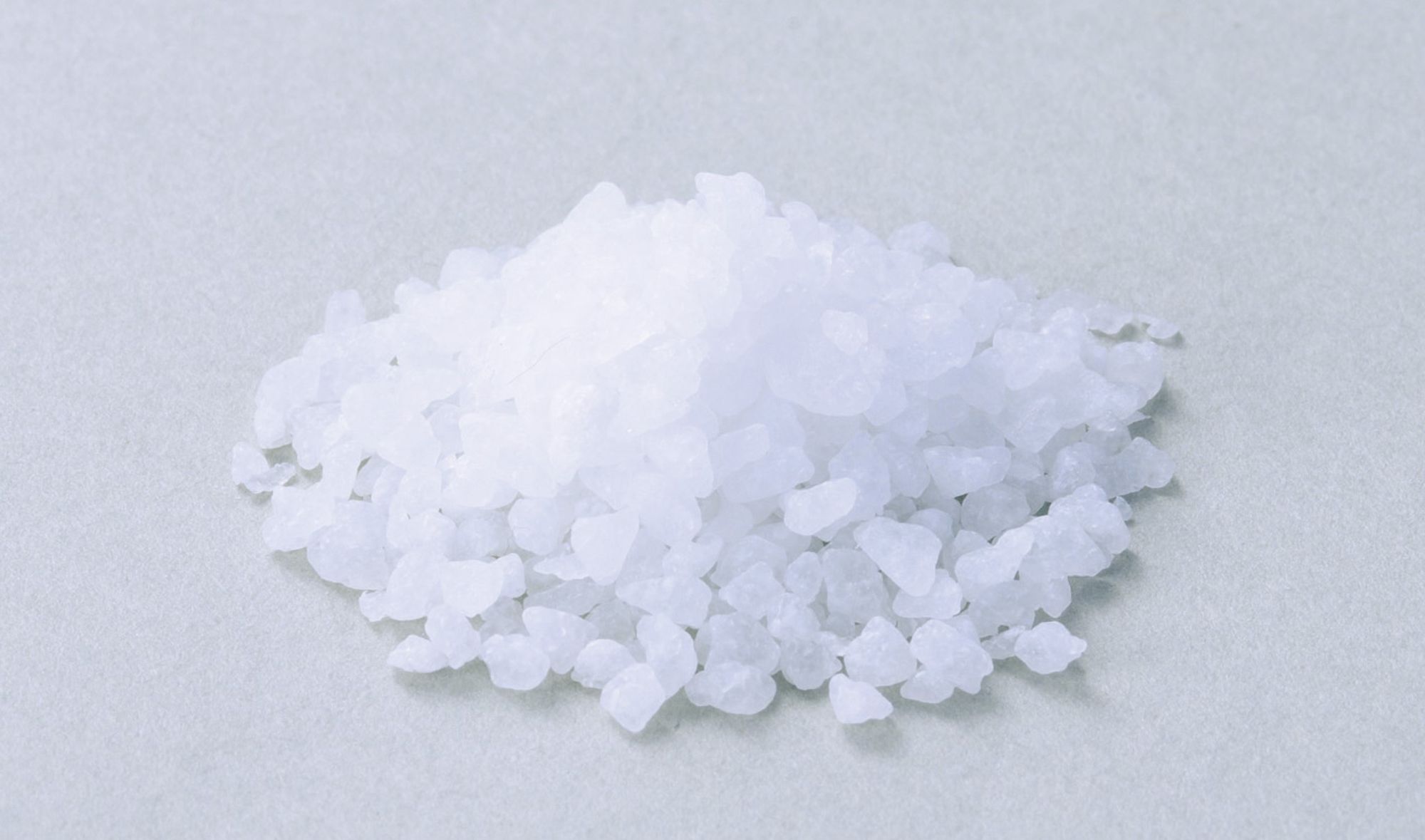

Poly-L-lactic acid is a biodegradable polymer widely used in medical, cosmetic, and industrial fields due to its biocompatibility and predictable degradation behavior. Derived from renewable resources, PLLA represents a significant advancement in sustainable material science. Its manufacturing process is carefully controlled to ensure consistent quality, mechanical strength, and safety, especially for applications involving direct contact with the human body. Understanding how PLLA is produced and where it is applied provides valuable insight into its growing global importance.
Raw Materials and Lactic Acid Production
The manufacturing process of PLLA begins with the production of lactic acid. Lactic acid is typically obtained through the fermentation of carbohydrate-rich renewable resources such as corn starch, sugarcane, or sugar beet. During fermentation, microorganisms convert sugars into lactic acid, which is then purified to achieve high optical purity. For PLLA production, the L-lactic acid form is essential, as it directly influences the polymer’s crystallinity, strength, and degradation characteristics.
Once purified, lactic acid serves as the fundamental building block for polymerization. The quality and purity of this initial raw material play a critical role in determining the final properties of PLLA, making this step one of the most important stages in the manufacturing process.
Polymerization and Formation of PLLA
After lactic acid production, the next step involves converting lactic acid into a polymer. This is commonly achieved through a two-stage process: first, lactic acid is converted into lactide, a cyclic dimer, and then polymerized through ring-opening polymerization. This method allows for better control over molecular weight and polymer structure.
In industrial production, PLLA is manufactured under carefully controlled temperature, pressure, and catalyst conditions to achieve consistent performance. Adjusting these parameters allows manufacturers to tailor properties such as molecular weight, crystallinity, and degradation rate. This flexibility is essential for meeting the diverse requirements of medical devices, aesthetic products, and industrial materials.
Purification and Quality Control
Following polymerization, the PLLA material undergoes purification to remove residual monomers, catalysts, and impurities. This step is particularly critical for medical-grade PLLA, where even trace contaminants could affect safety or performance. Advanced filtration and separation techniques are used to ensure the polymer meets strict regulatory standards.
Quality control testing is conducted throughout the manufacturing process. Tests typically assess molecular weight distribution, mechanical strength, thermal properties, and biodegradation behavior. These evaluations ensure that each batch of PLLA performs consistently and meets application-specific requirements.
Processing and Shaping Techniques
Once purified, PLLA can be processed into various forms depending on its intended use. Common processing techniques include injection molding, extrusion, fiber spinning, and 3D printing. These methods allow PLLA to be shaped into pellets, films, fibers, screws, sutures, or complex medical components.
PLLA’s thermal stability enables it to be processed using conventional plastic manufacturing equipment, which simplifies large-scale production. However, processing conditions must be carefully managed to prevent thermal degradation, which could compromise mechanical properties and performance.
Medical Applications of PLLA
One of the most significant application areas of PLLA is the medical field. Its biocompatibility and biodegradability make it ideal for absorbable surgical sutures, orthopedic fixation devices, and tissue engineering scaffolds. These products provide temporary support during healing and gradually degrade, eliminating the need for surgical removal.
PLLA is also used in controlled drug delivery systems. As the polymer degrades, it releases medication at a controlled rate, improving treatment effectiveness and patient compliance. In regenerative medicine, PLLA scaffolds support cell growth and tissue regeneration before being absorbed by the body.
Aesthetic and Cosmetic Applications
In aesthetic medicine, PLLA is widely used as a biostimulatory material. Rather than acting as a traditional filler, it stimulates the body’s natural collagen production, leading to gradual and long-lasting improvements in skin volume and texture. This makes it popular for facial rejuvenation and anti-aging treatments.
The controlled degradation of PLLA aligns well with cosmetic goals, as results develop progressively and appear natural. Its established safety profile further supports its widespread use in non-surgical aesthetic procedures.
Industrial and Environmental Applications
Beyond healthcare, PLLA plays an increasing role in industrial and environmental applications. Its biodegradable nature makes it suitable for sustainable packaging, agricultural films, disposable utensils, and biodegradable consumer products. These applications help reduce reliance on petroleum-based plastics and support environmental sustainability goals.
PLLA is also used in 3D printing and advanced manufacturing, where its mechanical strength and renewable origin offer advantages for prototyping and specialized components. As demand for eco-friendly materials grows, industrial adoption of PLLA continues to expand.
Advantages and Challenges in Manufacturing
The manufacturing process of PLLA offers several advantages, including the use of renewable raw materials and the ability to tailor material properties. However, challenges remain, such as higher production costs compared to conventional plastics and sensitivity to processing conditions.
Ongoing research focuses on improving production efficiency, reducing costs, and enhancing material performance. These advancements are expected to further broaden the range of applications for PLLA.
Conclusion
The manufacturing process of PLLA involves carefully controlled steps, from lactic acid fermentation to polymerization, purification, and processing. This precision enables the production of a high-performance, biodegradable polymer with applications across medical, aesthetic, and industrial sectors. As sustainability and biocompatibility become increasingly important, PLLA is set to remain a key material shaping the future of advanced manufacturing and responsible product design.