
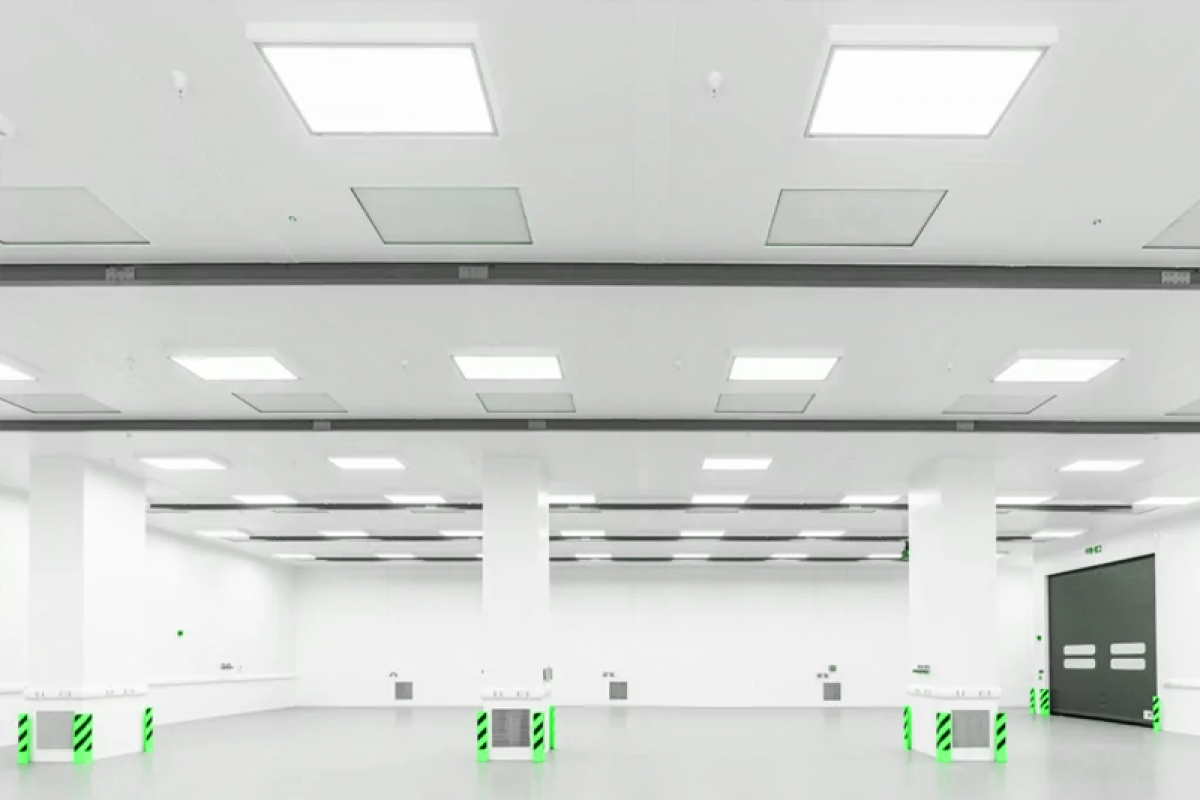

ISO 5 cleanrooms are among the most stringent classifications for controlled environments, designed to maintain extremely low levels of airborne particles. Compliance with international standards is essential for industries such as pharmaceuticals, biotechnology, medical device manufacturing, and semiconductor production. Adhering to ISO 14644 standards ensures that cleanrooms provide consistent contamination control, protect sensitive products, and meet regulatory requirements. Understanding these standards and how they apply to ISO 5 cleanrooms is vital for maintaining both operational efficiency and product quality.
ISO 14644 is an international standard that defines requirements for cleanrooms and associated controlled environments. It establishes classifications, monitoring protocols, and operational practices to ensure contamination control. Organizations seeking to operate an ISO 5 Cleanroom must follow these guidelines closely to meet compliance standards. The standard addresses not only particle limits but also aspects such as testing frequency, air change rates, pressure differentials, and environmental monitoring, all of which are critical for maintaining a cleanroom at the ISO 5 level.
ISO 14644-1: Cleanroom Classification
ISO 14644-1 defines cleanroom classifications based on the concentration of airborne particles of specific sizes. For an ISO 5 cleanroom, the standard permits a maximum of 3,520 particles per cubic meter of air at 0.5 micrometers or larger. Larger particles are even more tightly controlled. This strict particle limit ensures that highly sensitive processes, such as aseptic pharmaceutical filling or semiconductor fabrication, are protected from contamination that could compromise product integrity.
The classification also provides a clear framework for validating and testing cleanrooms. Facilities must demonstrate that they consistently meet particle count requirements through proper design, filtration, airflow patterns, and operational practices. ISO 14644-1 establishes the benchmark for performance, guiding both new construction and ongoing compliance efforts.
ISO 14644-2: Monitoring and Testing
ISO 14644-2 complements ISO 14644-1 by specifying requirements for ongoing monitoring and periodic testing of cleanrooms. Compliance involves establishing a monitoring plan that includes airborne particle counts, pressure differentials, airflow velocity, temperature, and humidity. This ensures that the ISO 5 cleanroom continues to meet classification standards under normal operating conditions.
Routine testing and documentation are essential for demonstrating compliance during regulatory inspections or audits. The standard also outlines corrective actions if measurements exceed permissible limits, ensuring that cleanroom performance is maintained over time. By following ISO 14644-2, organizations can detect potential contamination issues early and take appropriate measures to prevent product compromise.
Design Considerations for Compliance
Achieving compliance with ISO 14644 standards requires careful attention to cleanroom design. Key factors include high-efficiency particulate air (HEPA) filtration, unidirectional airflow, controlled pressure differentials, and smooth, non-shedding surfaces. ISO 5 cleanrooms are engineered with these features to minimize particle generation and maintain air quality.
Materials used in construction, such as stainless steel, powder-coated panels, and seamless flooring, are selected for their durability, cleanability, and low particle emission. Proper placement of air supply diffusers and exhaust vents ensures uniform airflow and prevents the accumulation of particles in critical areas. The integration of these design elements supports ongoing compliance with ISO 14644 standards.
Operational Protocols
Compliance with ISO 14644 extends beyond construction to include strict operational protocols. Personnel must adhere to gowning procedures, restricted movement guidelines, and hygiene requirements to minimize particle shedding. Equipment and materials introduced into the cleanroom must be validated and properly sanitized to prevent contamination.
Cleaning practices play a significant role in maintaining compliance. ISO 14644 standards require validated cleaning methods, approved disinfectants, and documentation of cleaning schedules. Proper training for personnel ensures that these practices are consistently followed, reducing the risk of contamination and maintaining ISO 5 classification.
Documentation and Record-Keeping
ISO 14644 standards emphasize the importance of documentation to demonstrate compliance. Cleanroom operators must maintain records of particle counts, airflow measurements, pressure differentials, temperature, humidity, cleaning activities, maintenance, and personnel training. These records provide evidence of ongoing compliance and are often reviewed during regulatory inspections.
Detailed documentation also supports continuous improvement. By analyzing historical data, facilities can identify trends, detect potential issues, and implement preventive measures. This proactive approach helps maintain ISO 5 cleanroom performance and ensures regulatory adherence over time.
Regulatory and Industry Implications
ISO 5 cleanroom compliance with ISO 14644 standards is essential for meeting regulatory expectations in critical industries. Pharmaceutical manufacturers, for example, must demonstrate aseptic process control to regulatory authorities. Similarly, semiconductor and biotechnology industries rely on cleanroom compliance to prevent defects, ensure product reliability, and maintain competitive advantage.
Compliance with ISO 14644 not only helps organizations meet legal and industry requirements but also enhances credibility and customer confidence. It signals a commitment to quality, safety, and operational excellence.
In conclusion, ISO 5 cleanroom compliance with ISO 14644 standards involves a combination of strict design, monitoring, operational practices, and documentation. By adhering to these guidelines, organizations can maintain a controlled environment that protects sensitive processes, ensures product quality, and meets regulatory obligations. This systematic approach is essential for sustaining the performance and integrity of high-level cleanroom operations.