
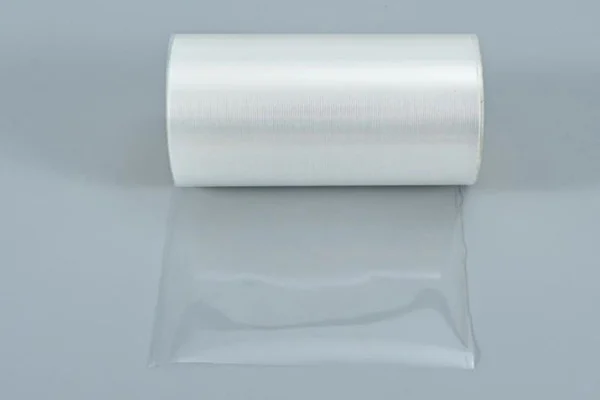

Water soluble films have emerged as an innovative solution in the packaging industry, particularly for detergents and chemical products. These films are designed to dissolve completely in water, eliminating the need for traditional plastic packaging and offering a more sustainable, convenient alternative. Their unique properties make them ideal for single-dose applications, where precise measurement, safety, and environmental responsibility are critical.
The main component of water soluble films is polyvinyl alcohol (PVA), a polymer known for its strength, solubility, and biodegradability. The controlled formulation of these films ensures that they remain stable during handling and storage but dissolve efficiently when in contact with water. Leading manufacturers, such as Polyva, specialize in producing high-quality water soluble films designed specifically for detergent and chemical packaging, providing industries with a reliable and environmentally friendly solution.
Composition of Water Soluble Films
Water soluble films are primarily composed of PVA, which forms the structural base of the film. This polymer is chosen for its excellent film-forming ability, mechanical strength, and water solubility. To enhance performance, additional materials such as plasticizers, surfactants, and stabilizers are incorporated. Plasticizers, such as glycerol or sorbitol, increase flexibility and prevent brittleness, allowing the films to withstand handling without tearing. Surfactants improve the interaction between water and the film, ensuring rapid dissolution when used in wet applications. Stabilizers protect the film from premature degradation caused by humidity, heat, or light exposure, maintaining its integrity until use.
The precise combination of these components determines the film’s solubility rate, strength, and stability, making it suitable for packaging both powdered and liquid detergent products, as well as various chemicals used in household and industrial settings.
Advantages for Detergent Packaging
One of the most prominent applications of water soluble films is in detergent packaging, including laundry pods, dishwasher tablets, and other single-dose cleaning products. These films offer several advantages over traditional packaging:
- Convenience: Single-dose films eliminate the need for measuring cups or additional containers, simplifying the cleaning process for consumers.
- Accuracy: Each pod or tablet contains a precise amount of detergent, ensuring consistent cleaning results.
- Safety: Encasing detergents in water soluble films reduces direct contact with chemicals, minimizing the risk of skin irritation or accidental ingestion.
- Environmental Impact: Once the film dissolves, it leaves minimal waste, reducing plastic pollution and supporting sustainable practices.
The solubility and strength of the film can be tailored to specific detergent formulations. For example, films designed for powdered detergents dissolve quickly in both cold and warm water, while films for liquid detergents ensure that the contents are fully released without residue.
Applications in Chemical Packaging
Water soluble films are also widely used for packaging chemicals, particularly those that require precise dosing or safe handling. This includes products such as industrial cleaning agents, disinfectants, fertilizers, and pesticides. The films provide a protective barrier during storage and transport, preventing spills and contamination. When placed in water, the films dissolve completely, releasing the chemical contents in a controlled manner.
Controlled dissolution is especially important for industrial and agricultural applications, where accurate chemical release can improve efficiency and reduce environmental impact. By using water soluble films, companies can streamline operations, reduce waste, and enhance workplace safety.
Environmental Benefits
The environmental advantages of water soluble films are a significant factor driving their adoption. Traditional plastic packaging can take hundreds of years to degrade, contributing to pollution and landfill accumulation. In contrast, water soluble films dissolve completely in water and can biodegrade under suitable conditions. This helps reduce plastic waste and supports sustainable packaging initiatives.
Furthermore, by replacing multi-layer plastic packaging with a single-layer water soluble film, manufacturers can reduce the overall consumption of non-renewable resources. The ability to create films that dissolve only under controlled conditions ensures minimal environmental release during storage and transport, enhancing safety for both workers and the environment.
Manufacturing Considerations
Producing water soluble films for detergent and chemical packaging requires precise control over materials, thickness, and additives. Factors such as the degree of hydrolysis and molecular weight of PVA influence solubility, mechanical strength, and dissolution rate. Plasticizer concentration affects flexibility and tear resistance, while surfactants and stabilizers optimize water penetration and shelf-life stability.
Companies like Polyva utilize advanced production techniques to maintain consistent quality across large-scale manufacturing processes, ensuring that films perform reliably under various conditions. Proper storage and handling are also essential to prevent premature moisture exposure, which could compromise film integrity.
Conclusion
Water soluble films are revolutionizing detergent and chemical packaging by offering an eco-friendly, convenient, and safe alternative to traditional plastics. Their unique ability to dissolve in water while maintaining strength during handling makes them ideal for single-dose applications, accurate chemical dosing, and environmentally conscious packaging solutions. With innovations from industry leaders like Polyva, water soluble films continue to expand their role in sustainable packaging, providing practical benefits for consumers, businesses, and the planet.