
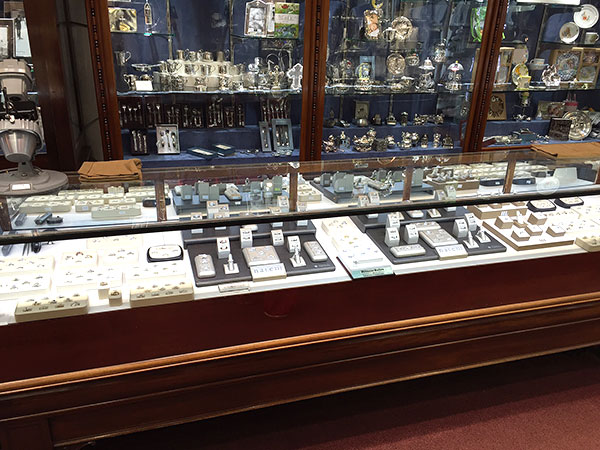

In retail, first impressions are critical. Customers often judge the quality and value of a store’s products based on their presentation. Display case design plays a significant role in shaping these perceptions, particularly in jewelry retail, where the appearance and arrangement of merchandise can influence buying decisions. A thoughtfully designed display case not only highlights the beauty of jewelry but also communicates the brand’s identity, professionalism, and attention to detail.
The Role of Design in Customer Perception
The design of a display case affects how customers perceive the quality, exclusivity, and credibility of a store. Clean lines, high-quality materials, and elegant finishes convey sophistication and professionalism. Conversely, poorly constructed or cluttered cases can create a sense of disorganization and diminish the perceived value of the merchandise.
Retailers often choose a Jewelry Display Case that aligns with the store’s branding, ensuring that every element—from materials and finishes to shelving layout and lighting—works together to create a cohesive and appealing presentation. Customization allows stores to showcase their collections in a manner that enhances visual appeal, reinforces brand identity, and elevates customer trust.
Material Selection and Visual Appeal
Materials used in display cases have a direct impact on customer perception. High-end stores often utilize tempered glass, polished metals, and fine woods to convey luxury and durability. Interior linings, such as velvet, suede, or leather, provide a contrasting backdrop that enhances the brilliance of gemstones and the sheen of metals.
The choice of materials signals quality to customers. A case constructed with cheap plastics or poorly finished surfaces can reduce perceived value, even if the jewelry itself is high-end. By investing in quality materials, retailers communicate that their products are worth the price, building confidence and encouraging purchases.
Lighting and Focused Presentation
Lighting is one of the most powerful tools for influencing perception in jewelry retail. Proper illumination enhances the sparkle of diamonds, the color of gemstones, and the shine of precious metals, making pieces more attractive to potential buyers. Integrated LED or fiber-optic lighting in display cases can be adjusted to focus on feature items or highlight specific collections.
Directional and accent lighting not only increases visual appeal but also guides the customer’s attention, creating a sense of exclusivity around highlighted pieces. Effective lighting conveys care and attention to detail, suggesting that the store values quality and presentation. This contributes to a premium shopping experience that resonates with customers.
Layout, Organization, and Accessibility
The internal layout of a display case also shapes customer perception. Organized, uncluttered cases allow each piece of jewelry to stand out, making browsing easier and more enjoyable. Modular inserts, risers, and compartmentalized trays ensure that items are visible, accessible, and easy to compare.
Accessibility is another important factor. Customers are more likely to engage with jewelry when they can see it clearly and, when appropriate, handle it safely under supervision. Well-designed display cases balance security with accessibility, signaling that the store is both customer-focused and professional.
Brand Identity and Cohesion
A display case is a reflection of the store’s overall brand identity. Custom-designed cases can incorporate brand colors, logo elements, and signature materials, creating a consistent aesthetic throughout the store. Cohesive design reinforces the brand message and builds a stronger emotional connection with customers.
When display cases align with the brand’s identity, they help customers perceive the store as reliable, upscale, and attentive to detail. In luxury retail, this perception often influences purchasing decisions as much as the quality of the jewelry itself.
Security as a Perception Factor
While security features are primarily functional, they also influence customer perception. Lockable compartments, tempered glass, and discreet alarms convey that the store takes its products seriously, protecting both merchandise and customers. Visible security elements, when integrated seamlessly into the design, can enhance trust without detracting from the visual appeal.
Conclusion
The design of a jewelry display case has a profound effect on customer perception, influencing how shoppers view the quality, value, and credibility of a store and its products. High-quality materials, integrated lighting, organized layouts, brand-aligned aesthetics, and secure yet accessible features work together to create a polished and professional shopping experience. By investing in thoughtfully designed display cases, retailers can enhance visual appeal, reinforce brand identity, and instill confidence in customers, ultimately driving engagement and sales. In luxury and high-end jewelry retail, the right display case is not just a functional tool—it is a key factor in shaping how customers perceive and interact with the brand.