
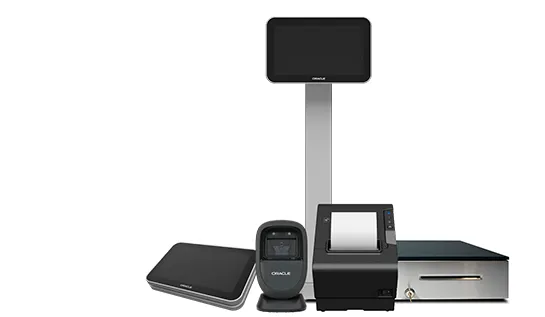

POS peripherals are essential components of modern retail and hospitality systems, enhancing transaction efficiency, inventory management, and customer experience. These devices, which include barcode scanners, receipt printers, cash drawers, payment terminals, and customer-facing displays, are often in constant use and must withstand daily wear and tear. Understanding the durability and lifespan of POS peripherals is crucial for businesses looking to make long-term investments in their point-of-sale infrastructure.
Importance of Durability in POS Peripherals
Durability in POS peripherals ensures consistent performance, reduces downtime, and lowers maintenance costs. Devices that are built with high-quality materials and designed for heavy usage are less likely to fail, even in high-volume environments. Investing in durable peripherals minimizes the risk of transaction errors, service interruptions, and unexpected replacement costs.
Professional POS Peripherals providers offer devices engineered to endure rigorous daily operations. Choosing peripherals from reputable manufacturers ensures a longer lifespan, reliable functionality, and access to technical support and warranty services. These factors contribute to a stronger return on investment and smoother business operations.
Factors Affecting the Lifespan of POS Peripherals
Build Quality and Materials
The materials and construction quality of POS peripherals directly impact their durability. Devices made from robust plastics, metals, or industrial-grade components are better suited to withstand daily use, accidental drops, and environmental stress. For example, receipt printers with reinforced gears and scanners with protective lenses are more resistant to wear and tear.
Frequency of Use
The lifespan of peripherals is also influenced by how frequently they are used. High-traffic retail stores or busy restaurants may experience faster wear on devices due to constant scanning, printing, and payment processing. Selecting industrial-grade or commercial-quality peripherals can help accommodate heavy usage without compromising performance.
Environmental Conditions
Environmental factors, such as temperature, humidity, and dust, play a significant role in the longevity of POS peripherals. Devices exposed to extreme temperatures, high humidity, or dusty conditions may experience reduced performance over time. Regular cleaning, maintenance, and proper placement of peripherals help protect against environmental damage and extend their operational life.
Maintenance and Care
Proper maintenance is key to maximizing the lifespan of POS peripherals. Routine cleaning, replacing consumables such as receipt paper or printer ink, and ensuring devices are free of debris can prevent mechanical issues and performance degradation. Following manufacturer guidelines for maintenance and software updates also ensures that peripherals continue to function reliably.
Technological Obsolescence
While durability is largely determined by physical factors, technological advancements can also impact the effective lifespan of POS peripherals. Older devices may not support the latest POS software or payment protocols, making them less compatible with modern systems. Choosing peripherals that support updates and new technologies can extend their functional lifespan.
Typical Lifespan of Common POS Peripherals
Barcode Scanners
Commercial barcode scanners can last between five to seven years with proper care. High-end models designed for heavy-duty use may exceed this lifespan, even in high-traffic environments. Regular cleaning of the scanner lens and avoiding drops or rough handling can prolong performance.
Receipt Printers
Receipt printers typically last around three to five years. Thermal printers generally have fewer moving parts, which reduces wear, but frequent usage and low-quality paper can impact longevity. Routine maintenance, such as cleaning print heads, helps extend the printer’s lifespan.
Payment Terminals
Payment terminals and card readers have an average lifespan of four to six years. Their durability depends on handling, frequency of software updates, and exposure to environmental factors. Ensuring secure placement and regular firmware updates helps maintain functionality.
Cash Drawers
Cash drawers are mechanical devices designed for daily use and can last seven to ten years. Their lifespan depends on the quality of components, frequency of use, and proper maintenance. Lubricating moving parts and avoiding overloading can prevent premature failure.
Customer-Facing Displays
Customer-facing displays generally last five to seven years, depending on screen quality, usage intensity, and environmental factors. Using anti-glare screens, protecting from spills, and ensuring proper ventilation helps maintain performance.
Conclusion
The durability and lifespan of POS peripherals are critical considerations for any retail or hospitality business. High-quality devices that are properly maintained, designed for heavy use, and protected from environmental stress can last several years, providing reliable performance and reducing the need for frequent replacements.
Investing in robust POS Peripherals from reputable providers ensures that businesses enjoy consistent transaction processing, accurate inventory management, and improved customer experiences. By considering build quality, usage patterns, maintenance practices, and technological updates, businesses can maximize the lifespan of their peripherals and achieve long-term operational efficiency.