
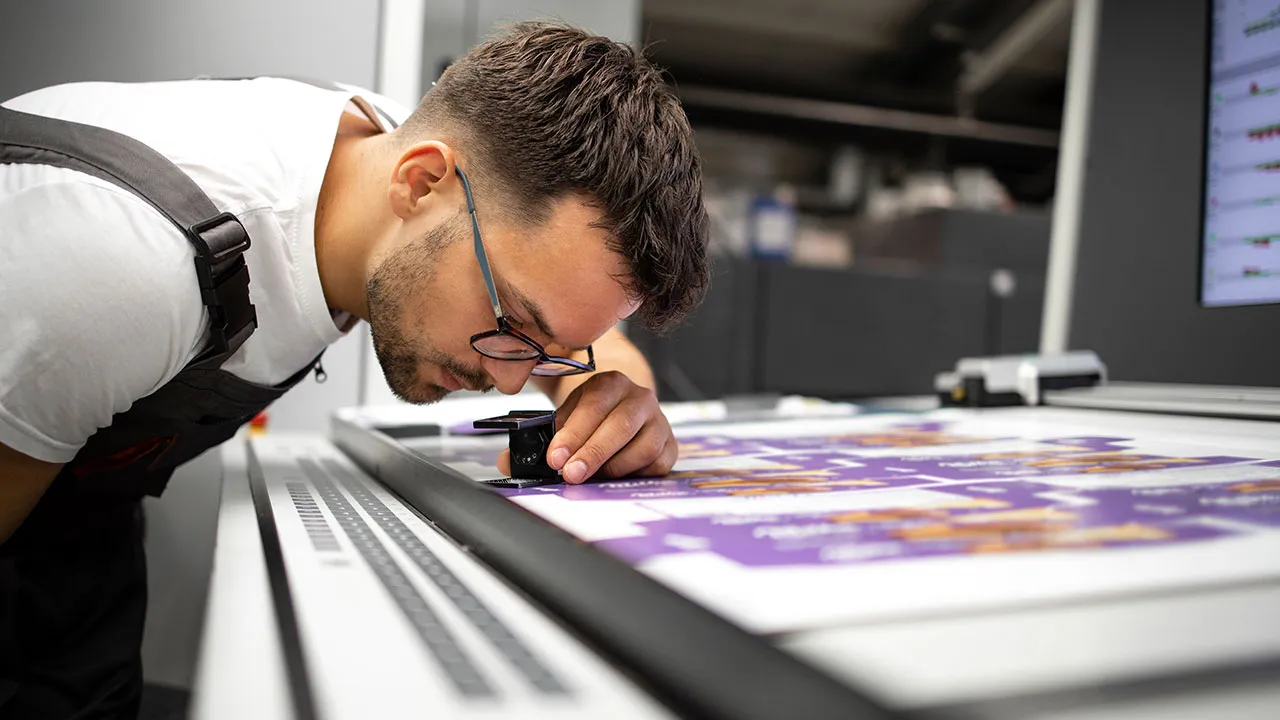

Print quality inspection is a crucial process in the printing and manufacturing industries, ensuring that printed materials meet high standards of accuracy, color consistency, and defect-free presentation. Whether used in packaging, textiles, labels, or publications, maintaining consistent print quality is essential to meet customer expectations, comply with regulatory standards, and enhance brand reputation. By understanding the key parameters and quality control practices, manufacturers can implement effective inspection strategies to optimize production outcomes.
Print quality inspection involves evaluating printed materials for errors or deviations from predefined specifications. Modern inspection methods combine visual assessment with automated systems that use cameras, sensors, and software algorithms to detect imperfections. For a detailed understanding of professional tools and systems used in the process, you can explore this resource on Print Quality Inspection: Print Quality Inspection.
Key Parameters in Print Quality Inspection
Several parameters define the quality of printed materials and serve as benchmarks during inspection:
1. Color Accuracy: One of the most critical aspects of print quality is color consistency. Variations in hue, saturation, or brightness can affect brand identity, especially in packaging or promotional materials. Colorimeters and spectrophotometers are often used to measure and maintain precise color standards.
2. Registration and Alignment: Registration refers to the proper alignment of multiple colors or layers in a printed design. Misregistration can result in blurred images, overlapping colors, or uneven borders, reducing the overall visual quality of the print. Inspection systems check for alignment errors to ensure that every layer matches perfectly.
3. Print Resolution: The clarity and sharpness of text, images, and patterns are assessed through print resolution. Poor resolution may result in fuzzy lines, jagged edges, or pixelation, which are easily detectable during quality inspection.
4. Surface and Defect Inspection: Print surfaces must be free from physical defects such as smudges, scratches, streaks, missing elements, or unintended marks. Surface inspections ensure that the final product maintains both visual appeal and functional integrity.
5. Contrast and Brightness: Proper contrast enhances readability and visual appeal, particularly in labels, packaging, or printed electronics. Inspection systems evaluate contrast levels to prevent washed-out prints or overly dark areas.
Quality Control Practices
Effective print quality inspection requires a combination of standardized practices, technology, and skilled personnel. These practices help detect issues early, reduce waste, and maintain consistent production quality.
1. Standard Operating Procedures (SOPs): Establishing SOPs ensures that all production and inspection activities follow uniform guidelines. These procedures include color calibration, alignment checks, and regular equipment maintenance to prevent errors.
2. Sampling and Inspection Frequency: Depending on production volume and complexity, manufacturers may use random or continuous sampling methods. High-speed automated inspection systems can scan every unit, while manual checks may be performed at regular intervals for smaller production runs.
3. Automated Inspection Systems: Modern print inspection systems integrate high-resolution cameras, precise sensors, and image processing software to monitor printed materials in real time. These systems can detect defects with high accuracy, log data for analysis, and trigger alerts for corrective action.
4. Operator Training: Skilled operators are critical for interpreting inspection results, adjusting equipment settings, and verifying detected defects. Training ensures that personnel understand both the technical and visual aspects of print quality.
5. Corrective Actions and Feedback Loops: Identifying defects is only the first step; quality control includes implementing corrective measures to prevent recurrence. Feedback loops between the inspection system and production line allow for timely adjustments in printing parameters.
Industry Applications
Print quality inspection is applied across various industries where precision and aesthetics are critical.
Textiles: In textile printing, quality inspection ensures color consistency, pattern accuracy, and defect-free fabrics. Misprints or alignment issues can significantly affect the value and usability of textiles.
Packaging and Labels: Accurate prints are essential for product information, barcodes, and branding. Print inspection helps manufacturers maintain compliance with regulations while preserving visual appeal.
Publishing and Commercial Printing: Books, magazines, and promotional materials require high-resolution, defect-free prints. Inspection ensures readability, color fidelity, and professional presentation.
Functional Printing: Beyond decorative prints, functional printing applications, such as printed electronics or RFID tags, rely on accurate patterns for proper functionality. Quality inspection ensures both visual and operational performance.
Benefits of Print Quality Inspection
Implementing rigorous print quality inspection practices provides several advantages:
- Consistency: Ensures uniformity in color, alignment, and resolution across all printed units.
- Reduced Waste: Early detection of defects minimizes material loss and reduces rework costs.
- Customer Satisfaction: High-quality prints enhance brand reputation and consumer trust.
- Process Optimization: Inspection data helps identify recurring issues, enabling improvements in production efficiency.
- Regulatory Compliance: Ensures that labels, packaging, and printed materials meet industry standards and legal requirements.
Conclusion
Print quality inspection is a vital part of modern manufacturing and printing processes, combining technical parameters with quality control practices to ensure defect-free, consistent outputs. By monitoring key parameters such as color accuracy, alignment, resolution, and surface integrity, and by implementing standardized inspection procedures and automated systems, manufacturers can enhance efficiency, reduce waste, and maintain customer satisfaction. Proper print quality inspection not only safeguards the visual and functional quality of printed materials but also supports long-term brand reputation and operational excellence.