
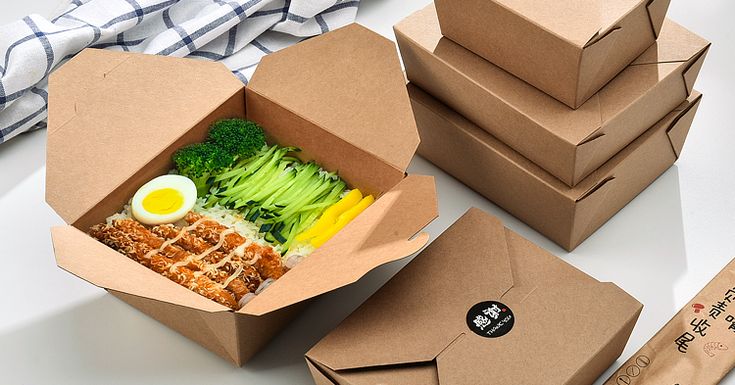

The fast food industry has evolved significantly in recent years, and so has the packaging that supports it. Modern restaurants face growing expectations from customers who demand not only quality food but also sustainability, convenience, and aesthetic appeal. Fast food boxes are no longer just containers; they have become essential tools for enhancing the dining experience, promoting brand identity, and supporting eco-friendly practices. Innovations in packaging are helping restaurants meet these demands while streamlining operations.
One of the most versatile and widely used solutions is fast food boxes. These boxes have seen significant innovation, ranging from material advancements to design improvements that improve functionality, food preservation, and environmental sustainability. Modern restaurants are increasingly leveraging these innovations to deliver superior service and maintain a competitive edge.
Sustainable Materials
Sustainability is one of the most prominent trends in fast food packaging. Biodegradable and compostable materials, such as sugarcane bagasse, cornstarch, and bamboo fiber, are now widely used to produce eco-friendly fast food boxes. These materials break down naturally, reducing landfill waste and environmental impact.
Restaurants can now provide high-quality packaging without relying on traditional plastics or heavily processed materials. Sustainable fast food boxes not only appeal to environmentally conscious customers but also align with regulatory guidelines and corporate social responsibility initiatives. Many modern restaurants advertise their eco-friendly packaging as part of their brand identity, attracting a more loyal customer base.
Temperature Control and Food Preservation
Maintaining food freshness and temperature during transport is a major concern for restaurants, particularly with the rise of delivery and takeout services. Innovative fast food boxes now incorporate features such as insulated walls, vented lids, and moisture-resistant coatings.
For hot meals, boxes are designed to trap heat while allowing steam to escape, preventing sogginess and maintaining the ideal texture. For cold meals, packaging materials that resist heat transfer and condensation help preserve freshness, ensuring that salads, desserts, and chilled beverages remain in perfect condition. These innovations improve customer satisfaction by delivering meals that match the quality of in-restaurant dining.
Functional and Ergonomic Designs
Modern fast food boxes are increasingly designed with functionality and convenience in mind. Features such as compartmentalized sections, secure locking mechanisms, and easy-to-carry handles are now common. Compartmentalized boxes keep sauces, toppings, or sides separate from main dishes, preserving taste and presentation. Secure lids prevent spills during transport, while handles or stackable designs improve handling for both delivery staff and customers.
Ergonomic designs also consider storage and stacking efficiency in kitchens and delivery vehicles. By optimizing space and making packaging easier to manage, restaurants can reduce waste and improve operational efficiency.
Customization and Branding
Branding and customer engagement are major drivers of innovation in fast food boxes. Modern restaurants often opt for fully customizable packaging, allowing for printed logos, color schemes, promotional messages, or seasonal designs. High-quality printing techniques enhance the visual appeal of packaging, making meals instantly recognizable and reinforcing brand identity.
Customization can also extend to functional aspects, such as creating boxes tailored to specific menu items or portion sizes. Personalized packaging offers an opportunity to create a memorable unboxing experience, encouraging customer loyalty and social media engagement.
Smart and Interactive Packaging
Technology has begun influencing packaging innovation as well. Some fast food boxes now incorporate QR codes, NFC tags, or augmented reality elements that link to menus, promotional content, or loyalty programs. This interactive packaging not only enhances the customer experience but also provides valuable marketing and data-gathering opportunities for restaurants.
Smart packaging can also include features such as temperature indicators or freshness markers, giving customers confidence that their food has been properly stored and transported. These innovations reflect the integration of technology and foodservice, positioning restaurants as forward-thinking and customer-focused.
Conclusion
Innovations in fast food boxes have transformed packaging from a simple functional necessity to a dynamic tool for modern restaurants. Advances in sustainable materials, temperature control, ergonomic design, customization, and interactive technology enhance food quality, customer satisfaction, and brand identity.
By adopting innovative fast food boxes, restaurants can provide a superior dining experience for both takeout and delivery, improve operational efficiency, and demonstrate a commitment to sustainability and modern trends. These innovations not only meet the evolving expectations of consumers but also enable restaurants to stand out in a highly competitive industry.
Well-designed and thoughtfully chosen packaging ensures that meals arrive fresh, visually appealing, and enjoyable, reinforcing customer trust and loyalty while supporting a restaurant’s growth and reputation in the modern marketplace.