
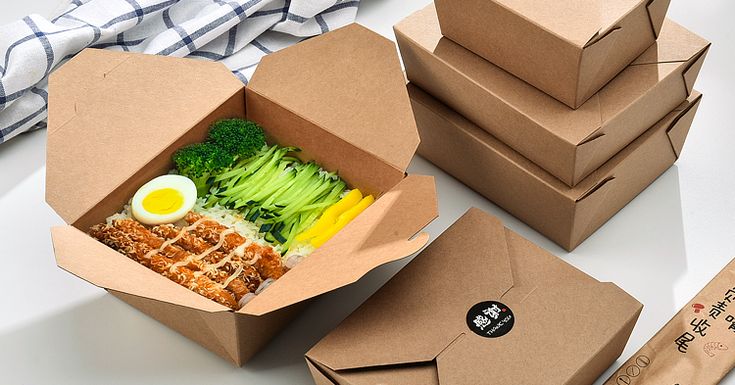

Selecting the right paper meal box supplier is crucial for any food business, whether it is a restaurant, cloud kitchen, or catering service. The quality of the packaging directly impacts food safety, customer satisfaction, and brand reputation. Therefore, evaluating a supplier’s quality standards before making a partnership is essential to ensure reliable, durable, and safe packaging solutions.
Working with a reputable paper meal box supplier can simplify this evaluation process. Trusted suppliers not only provide high-quality materials but also follow stringent production protocols, certifications, and testing processes. Understanding the key aspects of quality standards allows businesses to make informed decisions and avoid potential issues related to packaging failures or compliance.
Compliance with Food Safety Regulations
The first factor to consider when evaluating a paper meal box supplier is adherence to food safety regulations. The packaging should be made from food-grade materials that are safe for direct contact with meals. Suppliers must comply with regulatory standards set by agencies such as the FDA, EFSA, or equivalent regional authorities.
A reputable supplier will provide documentation verifying that their products meet these standards. Food safety compliance ensures that the packaging does not introduce harmful chemicals, toxins, or contaminants, protecting both the business and its customers.
Material Quality and Durability
The materials used in paper meal boxes are critical indicators of quality. High-quality boxes are made from durable paperboard, kraft paper, or corrugated paper that can withstand heat, moisture, and weight without tearing or leaking. Evaluating the supplier’s material sourcing practices, fiber strength, and coating types helps determine whether the boxes will maintain structural integrity under typical use conditions.
Durability also affects transportation and handling. Sturdy boxes prevent spills and damage during delivery, ensuring that meals reach customers in optimal condition. Businesses should request samples to test material strength and performance before committing to bulk orders.
Production Processes and Quality Control
A supplier’s production processes and quality control measures are vital in assessing reliability. Leading paper meal box suppliers operate in controlled manufacturing environments and implement stringent quality checks at various stages of production.
These checks may include inspections for correct dimensions, leak resistance, printing accuracy, and structural integrity. Suppliers with comprehensive quality control systems can maintain consistent standards across large orders, reducing the risk of defects that could compromise food safety or customer satisfaction.
Certifications and Industry Standards
Certifications are a key indicator of a supplier’s commitment to quality. Look for certifications such as ISO 9001 for quality management, ISO 22000 for food safety management, or FSC certification for sustainable sourcing. These certifications demonstrate that the supplier adheres to international standards for production, environmental responsibility, and safety.
A supplier with verified certifications can provide peace of mind, showing that their operations are transparent, accountable, and aligned with industry best practices.
Customization Capabilities and Printing Quality
For businesses that want branded or customized packaging, evaluating the supplier’s customization capabilities is important. High-quality printing, logo placement, and color consistency are indicators of attention to detail. Suppliers should use food-safe, environmentally friendly inks and ensure that printed designs do not compromise the integrity of the packaging.
Customization options should also align with operational requirements, such as box size, compartments, or closures, without affecting performance. A supplier capable of delivering reliable, visually appealing, and functional customized boxes demonstrates higher quality standards.
Testing and Performance Evaluation
Requesting samples and testing them under real-use conditions is an effective way to evaluate quality. Businesses should assess how the boxes handle hot, oily, or liquid-based meals, whether they maintain shape during stacking or transport, and how well they resist leaks or spills.
Some suppliers also conduct internal lab tests for grease resistance, moisture resistance, and structural strength. Access to these test reports or the ability to witness testing procedures can provide further assurance of quality.
Supply Chain Reliability
Quality standards extend beyond manufacturing to supply chain management. A reliable paper meal box supplier ensures timely deliveries, consistent stock availability, and accurate order fulfillment. Delays or inconsistent product quality can disrupt operations and damage customer trust.
Evaluate the supplier’s logistical capabilities, order tracking systems, and customer support services to ensure they can meet operational demands consistently.
Sustainability Practices
Sustainability is increasingly tied to perceived quality. Eco-friendly sourcing, recyclable or compostable materials, and environmentally safe coatings reflect a supplier’s commitment to responsible production. Businesses that prioritize sustainability gain both a competitive edge and alignment with consumer expectations.
A supplier that invests in sustainable practices demonstrates attention to detail and long-term thinking, which often correlates with overall product quality and reliability.
Client References and Reputation
Finally, consider the supplier’s reputation in the industry. Client testimonials, case studies, or references provide insights into product consistency, service quality, and responsiveness. Feedback from other businesses can highlight potential strengths or weaknesses in a supplier’s operations.
Conclusion
Evaluating the quality standards of a paper meal box supplier requires a comprehensive approach that considers food safety compliance, material quality, production processes, certifications, customization capabilities, testing, supply chain reliability, sustainability, and reputation. By carefully assessing these factors and working with a trusted supplier, food businesses can secure durable, safe, and visually appealing packaging that enhances customer satisfaction and supports operational efficiency.