
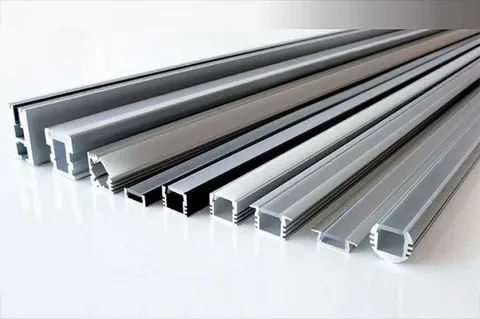

Aluminum has become an essential material in the electrical industry due to its versatility, durability, and efficiency. Electrical aluminium profiles are widely used in power distribution, industrial machinery, and electronic systems, providing both structural and functional advantages. By using premium aluminum, industries can achieve higher performance, longer component life, and improved operational safety.
High-quality aluminum components are preferred in electrical applications because they combine excellent conductivity, lightweight design, and resistance to corrosion and wear. Investing in premium aluminum ensures stable electrical performance, reduced maintenance costs, and overall system reliability. From industrial machinery to infrastructure projects, these components are vital for efficient, safe, and long-lasting electrical systems.
1. Superior Electrical Conductivity
Premium aluminum components enhance the efficiency of electrical systems through high conductivity.
- Energy Efficiency: Aluminum conducts electricity efficiently, minimizing energy losses that can occur in circuits and distribution networks. Using highly conductive materials ensures that electrical power is transmitted reliably, which is critical for industrial and commercial operations where efficiency directly impacts costs.
- Lightweight Advantage: Aluminum provides high conductivity while being significantly lighter than other conductive metals like copper. This combination reduces structural strain and allows for easier installation in large-scale systems.
- Thermal Management: Aluminum’s natural conductivity allows it to disperse heat quickly, protecting sensitive components from overheating. This reduces the risk of equipment failure due to thermal stress and enhances overall system longevity.
- Consistent Performance: Components made of premium aluminum maintain stable current flow, ensuring that systems operate reliably even under high-demand conditions or continuous operation.
2. Lightweight and Easy Handling
Aluminum’s lightweight nature offers practical advantages in electrical applications.
- Simplified Installation: Lighter components make transportation, positioning, and assembly much easier for workers, saving time and effort during installation. This also allows for faster project completion without compromising quality.
- Structural Savings: Reduced weight means that support frameworks, mounts, and enclosures do not need to be over-engineered, lowering material costs and simplifying design requirements.
- Design Flexibility: Engineers can design longer sections or complex configurations without worrying about excessive weight causing structural instability or sagging over time.
- Enhanced Safety: Handling lighter aluminum components reduces the risk of workplace injuries, improving overall ergonomics and making the installation process safer for technicians.
3. Corrosion Resistance and Environmental Protection
Industrial and outdoor electrical systems require materials resistant to environmental factors.
- Surface Durability: Treated or coated aluminum resists corrosion from moisture, chemicals, and pollutants, maintaining both structural integrity and appearance over time. This is especially important in industrial plants or outdoor installations exposed to harsh elements.
- Extended Component Life: Corrosion-resistant profiles last significantly longer, reducing the frequency of replacements and ensuring reliable performance throughout their service life.
- Low Maintenance: By minimizing rust and surface degradation, treated aluminum requires less frequent maintenance, saving labor and material costs.
- Reliability in Harsh Environments: Corrosion resistance ensures components function consistently in challenging conditions, including chemical plants, coastal regions, and industrial facilities with aggressive atmospheres.
4. Mechanical Strength and Structural Stability
Aluminum components provide robust support for electrical assemblies and enclosures.
- High Strength-to-Weight Ratio: Aluminum offers strong support for heavy electrical panels, busbars, and frameworks while remaining lightweight. This makes it ideal for industrial installations where both strength and weight considerations matter.
- Vibration Resistance: Well-fabricated aluminum components can withstand mechanical vibrations and shocks without deforming, which is essential in machinery and mobile electrical applications.
- Precision Fit: Custom aluminum profiles are manufactured to exact specifications, ensuring a perfect fit in assemblies. This precision reduces the risk of mechanical misalignment that can compromise electrical system integrity.
- Durable Construction: Premium aluminum sections provide lasting structural support, extending the lifespan of the installation and reducing costs associated with repairs or replacements.
5. Thermal Performance and Heat Dissipation
Efficient heat management is critical in electrical applications to prevent overheating.
- Rapid Heat Dissipation: Aluminum conducts and disperses heat efficiently, preventing hotspots that can damage sensitive electronic or electrical components. This ensures that equipment operates within safe temperature ranges.
- Temperature Stability: Premium aluminum maintains its structural and electrical properties even under high thermal loads, allowing systems to operate safely and reliably.
- Equipment Protection: Effective thermal management reduces the risk of overheating, fire hazards, and component degradation, enhancing the overall safety of electrical systems.
- Improved System Efficiency: Maintaining optimal temperatures ensures continuous and efficient operation, reducing the risk of performance loss or unplanned downtime.
6. Surface Finish and Aesthetic Appeal
Aluminum components enhance not only performance but also the visual quality of electrical systems.
- Uniform Finish: Advanced surface treatments provide a smooth and uniform texture, giving electrical enclosures and profiles a professional, polished look.
- Scratch and Stain Resistance: Treated surfaces are resistant to scratches, stains, and minor impacts, ensuring that the appearance remains intact even in industrial or high-traffic environments.
- Customizable Appearance: Powder coating and anodizing allow aluminum sections to match branding requirements or design specifications for aesthetic integration.
- Long-Term Visual Quality: High-quality surface finishes preserve the appearance of aluminum components over the years, adding to the professional presentation of electrical systems.
7. Compatibility with Modern Fabrication Techniques
Premium aluminum components integrate seamlessly with contemporary industrial processes.
- Machining and Fabrication: Aluminum is easy to cut, bend, drill, or machine without compromising strength, which allows for versatile design and customization.
- Surface Treatments: Post-fabrication anodizing or powder coating enhances durability and aesthetics without affecting structural performance.
- Custom Profiles: Aluminum profiles can be tailored to precise dimensions and specifications, ensuring they meet the unique requirements of electrical systems.
- Efficient Assembly: High-precision sections simplify the installation process, reducing labor costs and project timelines while improving overall system reliability.
Conclusion
Premium aluminum components are indispensable for efficient, reliable, and safe electrical applications. They offer superior conductivity, mechanical strength, thermal management, and corrosion resistance while reducing maintenance requirements and operational costs. By investing in high-quality aluminum, industries can ensure long-term performance, safer electrical systems, and cost savings over the lifecycle of their projects.
Partnering with JM Aluminium, Aluminium Extrusion Made Easy, and recognized as Western India’s largest aluminium extrusion company, provides industries with expertly fabricated aluminum profiles designed to meet diverse electrical and industrial requirements with precision and reliability. With extensive experience in custom fabrication, precision extrusion, and advanced surface treatments, JM Aluminium delivers durable, high-performance components that combine functionality with aesthetic appeal. Their solutions support safer, more efficient, and longer-lasting electrical systems, making them a trusted partner for industries seeking excellence in aluminum extrusion.