

Effective debt collection is critical for maintaining healthy cash flow and financial stability. Traditional methods often involve manual follow-ups, phone calls, and spreadsheets, which can be inefficient and prone to errors. Finance teams face increasing pressure to recover outstanding payments quickly while maintaining positive relationships with customers. To address these challenges, organizations are increasingly turning to technology-driven solutions.
Collections Automation Software is designed to streamline the entire debt recovery process by automating repetitive tasks, prioritizing accounts, and ensuring consistent communication. Platforms like Collections Automation Software empower finance teams to accelerate collections, improve efficiency, and focus on strategic decision-making rather than administrative work. By integrating intelligence and automation into accounts receivable processes, businesses can achieve faster recoveries while minimizing risk.
Streamlining Routine Collection Tasks
One of the most significant advantages of collections automation software is its ability to handle repetitive tasks automatically. Activities such as sending reminders, tracking due dates, and updating account records can be completed without manual intervention. This reduces the workload on finance staff and ensures that no account is overlooked.
Automation allows teams to maintain consistent contact with customers, improving the likelihood of timely payments. It also minimizes human error, which can lead to delays, disputes, or compliance issues. As a result, organizations can operate more efficiently and recover payments faster.
Prioritizing Accounts for Maximum Impact
Not all accounts require the same level of attention. Collections automation software uses data and analytics to segment accounts based on risk, payment history, and likelihood of recovery. High-priority accounts receive immediate attention, while lower-risk accounts follow standard collection workflows.
By prioritizing accounts strategically, finance teams can allocate resources effectively, focusing on areas that have the greatest impact on cash flow. This targeted approach increases recovery rates and ensures that operational efforts are used efficiently.
Enhancing Customer Communication
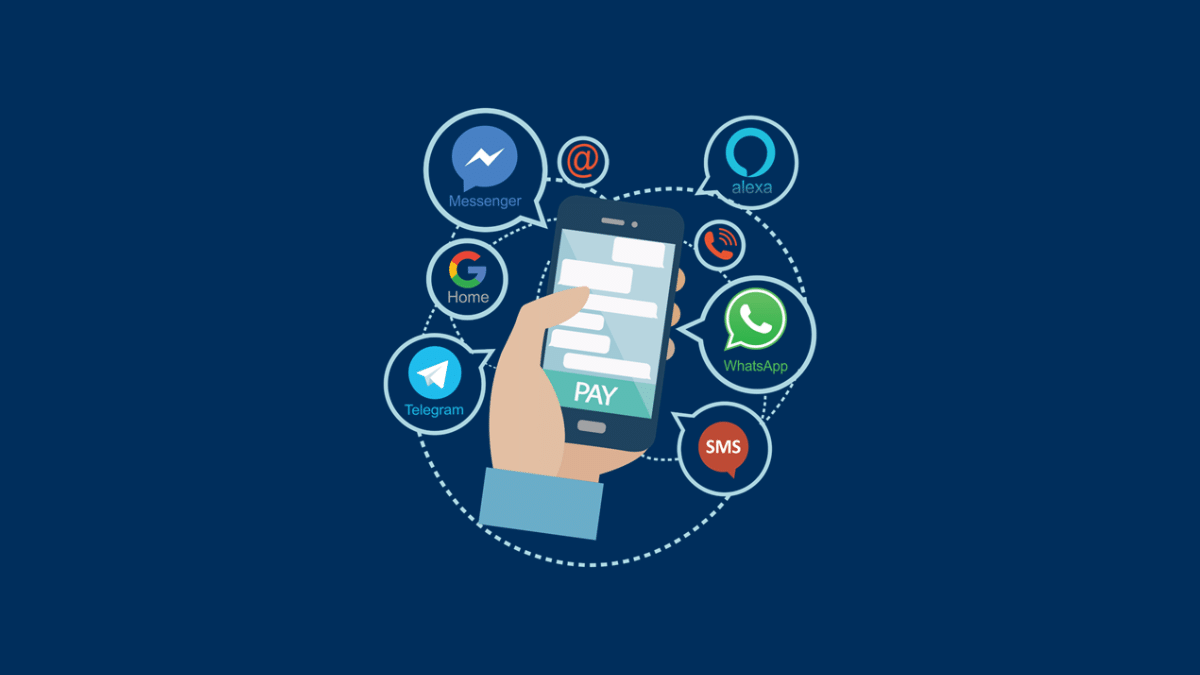
Collections automation software improves the customer experience by personalizing communication and ensuring messages are delivered through preferred channels. Automated systems can send emails, text messages, or notifications tailored to individual customer preferences.
Personalized and timely communication reduces misunderstandings and maintains professional relationships. Customers are more likely to respond positively to clear, relevant, and well-timed messages, which ultimately accelerates the repayment process.
Ensuring Compliance and Risk Management
Debt collection is subject to numerous regulations designed to protect consumers. Manual processes can inadvertently lead to non-compliance, exposing organizations to fines and reputational damage. Collections automation software standardizes workflows, message templates, and documentation to ensure adherence to legal requirements.
Detailed audit trails are automatically generated, providing transparency and making it easier to demonstrate compliance during audits. This reduces the risk of violations while giving finance teams confidence in their collection practices.
Providing Actionable Insights Through Analytics
Modern collections automation platforms offer robust reporting and analytics capabilities. Teams can track payment trends, customer responsiveness, and collection performance over time. These insights allow for continuous improvement and more informed decision-making.
Analytics also help identify patterns that indicate potential late payments, enabling proactive intervention. By leveraging data-driven strategies, organizations can optimize collection efforts and achieve faster recoveries.
Supporting Flexible Payment Solutions
Many customers face financial constraints that prevent immediate repayment. Collections automation software can recommend and facilitate flexible payment plans tailored to each account’s circumstances. These solutions improve the likelihood of successful repayment while demonstrating empathy and professionalism.
Offering structured options helps maintain positive relationships with customers and reduces the need for escalated collection actions, which can be costly and time-consuming.
Integrating Seamlessly with Existing Systems
Effective collections automation platforms integrate smoothly with accounting, ERP, and CRM systems. This ensures that data remains synchronized across all business operations, reducing manual data entry and errors. Real-time integration provides finance teams with a comprehensive view of customer accounts, outstanding balances, and collection activities.
Seamless integration also supports scalability, allowing organizations to manage growing volumes of accounts without additional staffing or administrative burden.
Conclusion
Collections automation software is transforming the way businesses approach debt recovery. By automating routine tasks, prioritizing accounts, enhancing communication, ensuring compliance, and leveraging data insights, organizations can achieve faster and more efficient recoveries. Adopting these platforms allows finance teams to focus on strategic initiatives, maintain customer relationships, and strengthen overall financial performance in a competitive business environment.